The Anti-Inflammatory Diet for Stress: Foods That Calm Your Nervous System
Chronic inflammation and chronic stress share the same molecular pathways.
Defining the Problem
Omega-3 fatty acids, particularly EPA (eicosapentaenoic acid) and DHA (docosahexaenoic acid), play critical roles in brain health and emotional regulation. DHA constitutes approximately 40% of the polyunsaturated fatty acids in the brain, where it maintains membrane fluidity and supports neurotransmitter function. A 2018 meta-analysis in JAMA Network Open found that omega-3 supplementation (with an EPA-to-DHA ratio of 2:1 or higher) significantly reduced symptoms of clinical anxiety, with effects comparable to low-dose SSRIs in some populations.
Magnesium is involved in over 300 enzymatic reactions in the body, including many that directly influence nervous system function. It serves as a natural calcium channel blocker, modulating the excitability of neurons. Research published in Nutrients (2017) found that magnesium supplementation significantly reduced subjective anxiety in moderately anxious individuals, with effects comparable to low-dose pharmaceutical anxiolytics. The most bioavailable forms — magnesium glycinate, threonate, and taurate — are preferred over magnesium oxide, which has poor absorption.
The relationship between inflammation and mood is one of the most significant discoveries in psychiatry in the past two decades. Research has demonstrated that approximately one-third of patients with treatment-resistant depression show elevated inflammatory markers, and that anti-inflammatory interventions (including omega-3 supplementation, exercise, and anti-inflammatory diets) can produce antidepressant effects in this subgroup. This 'inflammatory' subtype of depression is characterized by fatigue, psychomotor slowing, and increased sleep — symptoms that differ from the classic 'low serotonin' presentation of decreased appetite, insomnia, and agitation. Recognizing this distinction has important implications for treatment selection.
A nuanced understanding of the stress response includes recognizing that not all stress is created equal. Acute, time-limited stress followed by recovery (eustress) actually strengthens the nervous system's regulatory capacity through a process called hormesis — similar to how exercise stresses muscles to make them stronger. The problem arises with chronic, unrelenting stress that prevents recovery, or with traumatic stress that overwhelms the system's capacity to process. This distinction matters for practical decision-making: avoiding all stress is neither possible nor beneficial. The goal is to ensure adequate recovery between periods of activation and to avoid sustained activation without relief.
The relationship between chronic pain and stress is mediated by shared neural circuits. Research from Northwestern University's Feinberg School of Medicine has shown that chronic pain reorganizes the brain's emotional processing regions, particularly the prefrontal cortex and amygdala. This neurological overlap explains why chronic pain patients frequently develop anxiety and depression, and why effective pain treatment increasingly involves addressing the nervous system's stress response rather than solely targeting peripheral pain signals.
The Neuroscience of the Response
Vitamin D deficiency affects an estimated one billion people worldwide and has been consistently associated with depression and anxiety in observational studies. Vitamin D receptors are found throughout the brain, including in regions involved in mood regulation (hippocampus, prefrontal cortex, amygdala). A 2020 meta-analysis in Critical Reviews in Food Science and Nutrition found that vitamin D supplementation significantly reduced depressive symptoms in deficient individuals, with the strongest effects observed at doses of 2000-4000 IU daily over 8-12 weeks.
Stress eating is not a failure of willpower but a neurobiologically driven behavior. During acute stress, cortisol increases appetite specifically for calorie-dense, high-fat, high-sugar foods — a response that evolved to replenish energy stores after physical exertion (fighting, fleeing). Research from the University of California, San Francisco, has shown that these comfort foods temporarily reduce HPA axis activity, creating a genuine (if short-lived) stress-buffering effect. This is why stress eating persists: it works, neurochemically, in the moment.
What makes this area of research particularly compelling is the convergence of evidence from multiple disciplines. Neuroscientists, immunologists, endocrinologists, and psychologists are all arriving at the same conclusion from different angles: chronic stress is not merely a psychological experience but a whole-body physiological state with measurable consequences across every organ system. This interdisciplinary consensus represents a significant departure from the historical tendency to treat mental and physical health as separate domains. The implications for clinical practice are profound — effective treatment must address both the psychological and physiological dimensions of dysregulation.
Heart rate variability (HRV) has emerged as one of the most reliable biomarkers for nervous system flexibility. Unlike resting heart rate, which tells you how fast your heart beats, HRV measures the variation in time between successive heartbeats. Higher HRV indicates greater parasympathetic influence and is associated with better emotional regulation, cognitive flexibility, and stress resilience. Research from the HeartMath Institute has shown that even brief coherence practices can measurably improve HRV within minutes.
Sleep is not a luxury. It is the single most effective thing you can do for your brain and body every 24 hours.
How Your Body Experiences It
Dehydration, even at mild levels (1-2% body weight loss), has measurable effects on mood and cognitive function. Research from the University of Connecticut's Human Performance Laboratory (2012) found that mild dehydration increased anxiety, reduced concentration, and worsened headache frequency — and these effects were more pronounced in women than in men. The mechanism involves reduced blood volume, which triggers the sympathetic nervous system to maintain blood pressure, creating a physiological state that mimics mild stress even in the absence of psychological stressors.
Fermented foods influence mental health through the gut-brain axis by providing live probiotic organisms and producing neuroactive compounds during fermentation. Kimchi, sauerkraut, yogurt, kefir, and kombucha all contain strains of Lactobacillus and Bifidobacterium that have demonstrated anxiolytic properties in clinical trials. A 2022 study published in Molecular Psychiatry found that a diet enriched with fermented foods for four weeks significantly increased microbial diversity and reduced perceived stress levels, with effects that persisted four weeks after the dietary intervention ended.
The concept of 'dose-response' in regulation practices is important and often overlooked. Just as medication has an optimal dose range — below which it's ineffective and above which side effects emerge — regulation practices have optimal duration and intensity parameters. Research from Emory University (2019) found that meditation sessions of 10-20 minutes produced the greatest anxiolytic effects, with diminishing returns beyond 30 minutes and some participants actually reporting increased anxiety during sessions longer than 45 minutes (likely due to sustained interoceptive focus amplifying anxious body sensations in untrained practitioners). Starting with shorter sessions and gradually increasing is both safer and more sustainable.
Morning anxiety — the experience of waking with a racing heart, tight chest, and sense of dread — has a clear physiological basis. Cortisol naturally peaks 30-45 minutes after waking in what's called the cortisol awakening response (CAR). In individuals with anxiety disorders, this response is amplified, sometimes producing cortisol levels 2-3 times higher than normal. Research published in Psychoneuroendocrinology (2007) found that a heightened CAR was associated with greater perceived stress, worry, and rumination throughout the day.
The Brain Circuits Involved
Caffeine's relationship with anxiety is dose-dependent and highly individual, influenced by genetic variations in the CYP1A2 enzyme that metabolizes caffeine. Fast metabolizers (about 50% of the population) can consume moderate caffeine without significant anxiety effects, while slow metabolizers may experience jitteriness, increased heart rate, and panic-like symptoms from as little as 100mg (one cup of coffee). Research published in Neuropsychopharmacology (2005) found that caffeine at doses above 200mg significantly increased cortisol secretion in habitual consumers, challenging the common belief that tolerance eliminates caffeine's stress effects.
Vitamin D deficiency affects an estimated one billion people worldwide and has been consistently associated with depression and anxiety in observational studies. Vitamin D receptors are found throughout the brain, including in regions involved in mood regulation (hippocampus, prefrontal cortex, amygdala). A 2020 meta-analysis in Critical Reviews in Food Science and Nutrition found that vitamin D supplementation significantly reduced depressive symptoms in deficient individuals, with the strongest effects observed at doses of 2000-4000 IU daily over 8-12 weeks.
The temporal dynamics of nervous system regulation are worth understanding. After a stressful event, the body's return to baseline follows a predictable trajectory: heart rate recovers first (within minutes), followed by blood pressure (within 10-20 minutes), followed by cortisol (within 60-90 minutes), followed by inflammatory markers (within hours to days). This means that feeling 'calm' after a stress event does not necessarily mean your body has fully recovered — cortisol and inflammatory markers may remain elevated long after subjective distress has resolved. This is why post-stress recovery practices (gentle movement, social connection, adequate sleep) are important even when you 'feel fine.'
Stress eating is not a failure of willpower but a neurobiologically driven behavior. During acute stress, cortisol increases appetite specifically for calorie-dense, high-fat, high-sugar foods — a response that evolved to replenish energy stores after physical exertion (fighting, fleeing). Research from the University of California, San Francisco, has shown that these comfort foods temporarily reduce HPA axis activity, creating a genuine (if short-lived) stress-buffering effect. This is why stress eating persists: it works, neurochemically, in the moment.
People-pleasing, when viewed through a nervous system lens, is a fawn response — a trauma adaptation in which an individual prioritizes others' needs to maintain safety. Unlike fight, flight, or freeze, fawning involves actively managing another person's emotional state to prevent conflict or rejection. Research from the University of Michigan (2017) found that chronic people-pleasing was associated with elevated cortisol throughout the day, suggesting that the constant vigilance required to anticipate and meet others' needs maintains sympathetic nervous system activation.
Risk Factors and Vulnerability
Adaptogens — a class of herbs including ashwagandha, rhodiola rosea, and holy basil — are defined by their ability to normalize physiological function during stress. A 2012 systematic review in Pharmaceuticals found that ashwagandha (Withania somnifera) reduced serum cortisol by an average of 30% in stressed adults. However, the evidence quality remains mixed: many studies have small sample sizes, short durations, and potential conflicts of interest from supplement manufacturers. The most robust evidence supports ashwagandha and rhodiola, while many other marketed adaptogens lack rigorous clinical data.
Omega-3 fatty acids, particularly EPA (eicosapentaenoic acid) and DHA (docosahexaenoic acid), play critical roles in brain health and emotional regulation. DHA constitutes approximately 40% of the polyunsaturated fatty acids in the brain, where it maintains membrane fluidity and supports neurotransmitter function. A 2018 meta-analysis in JAMA Network Open found that omega-3 supplementation (with an EPA-to-DHA ratio of 2:1 or higher) significantly reduced symptoms of clinical anxiety, with effects comparable to low-dose SSRIs in some populations.
What makes this area of research particularly compelling is the convergence of evidence from multiple disciplines. Neuroscientists, immunologists, endocrinologists, and psychologists are all arriving at the same conclusion from different angles: chronic stress is not merely a psychological experience but a whole-body physiological state with measurable consequences across every organ system. This interdisciplinary consensus represents a significant departure from the historical tendency to treat mental and physical health as separate domains. The implications for clinical practice are profound — effective treatment must address both the psychological and physiological dimensions of dysregulation.
Swimming combines multiple nervous system regulation mechanisms: the diving reflex triggered by water contact, hydrostatic pressure that provides gentle proprioceptive input across the entire body, rhythmic bilateral movement that activates cross-hemisphere brain coordination, and the meditative quality of regulated breathing. A 2019 systematic review in the British Journal of Sports Medicine found that swimming was associated with a 28% lower risk of all-cause mortality compared to sedentary individuals — a larger reduction than walking or cycling.
One practical implication of this research that is often overlooked is the importance of transitional rituals — deliberate practices that mark the boundary between different states of activation. The morning commute, the lunch break, the evening decompression — these transitional periods serve a neurological function by allowing the nervous system to shift between different modes of operation. The erosion of these boundaries in remote work culture, where the laptop opens on the nightstand and closes on the couch, has eliminated many of the natural regulation points that previously structured the day. Deliberately creating transitional rituals (a 10-minute walk between work and dinner, a specific 'shutdown' routine at end of work, different physical spaces for different activities) can significantly improve nervous system regulation even without adding formal 'practices.'
Magnesium glycinate (200-400mg before bed) has the strongest evidence for anxiety and sleep. Start with 200mg and increase gradually. Note: magnesium citrate is better for constipation, while magnesium threonate has the best evidence for cognitive function.
The Role of Chronic Stress
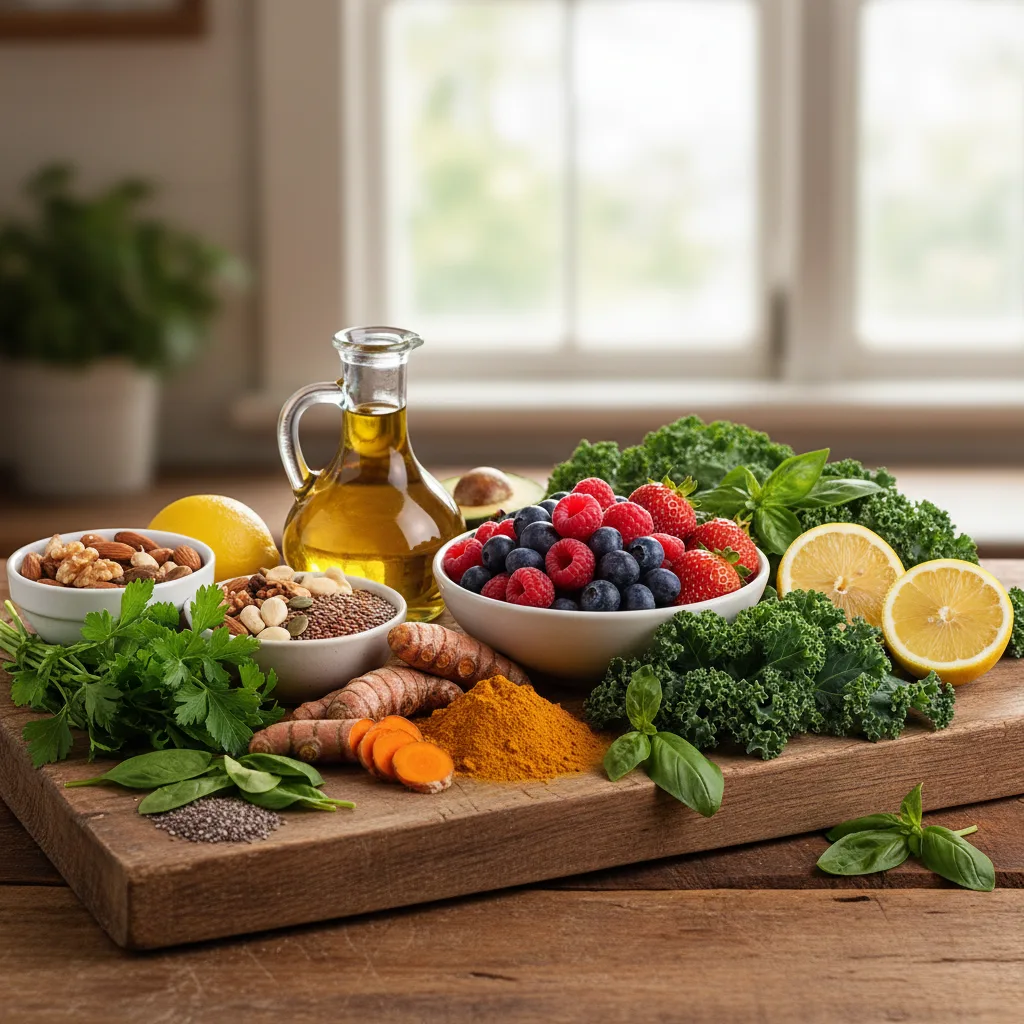
The anti-inflammatory diet for stress management focuses on foods that reduce systemic inflammation: fatty fish (omega-3s), leafy greens (folate, magnesium), berries (anthocyanins), turmeric (curcumin), nuts (vitamin E, selenium), and fermented foods (probiotics). A 2019 randomized controlled trial published in PLOS ONE found that participants following a Mediterranean-style anti-inflammatory diet for 12 weeks showed significant reductions in depression, anxiety, and stress scores compared to a control group receiving social support alone.
Caffeine's relationship with anxiety is dose-dependent and highly individual, influenced by genetic variations in the CYP1A2 enzyme that metabolizes caffeine. Fast metabolizers (about 50% of the population) can consume moderate caffeine without significant anxiety effects, while slow metabolizers may experience jitteriness, increased heart rate, and panic-like symptoms from as little as 100mg (one cup of coffee). Research published in Neuropsychopharmacology (2005) found that caffeine at doses above 200mg significantly increased cortisol secretion in habitual consumers, challenging the common belief that tolerance eliminates caffeine's stress effects.
It's worth pausing here to address a common misconception. Many people interpret the science of nervous system regulation as suggesting that we should aim for a permanently calm, parasympathetic-dominant state. This is neither possible nor desirable. The sympathetic nervous system exists for excellent reasons: it mobilizes energy for physical activity, sharpens attention during demanding tasks, and enables rapid response to genuine threats. The goal of regulation is not to suppress sympathetic activation but to ensure that the system returns to baseline after activation — and that the activation itself is proportionate to the actual demands of the situation.
Toxic positivity — the insistence that one should maintain a positive attitude regardless of circumstances — actively interferes with emotional processing. Research from the University of Texas (2017) demonstrated that suppressing negative emotions increased physiological stress markers (heart rate, skin conductance, cortisol) compared to acknowledging and expressing those emotions. The study found that emotional suppression required significant cognitive effort, depleting executive function resources and paradoxically intensifying the suppressed emotion.
It's also worth noting that individual variation in response to different regulation techniques is substantial and influenced by factors including genetics, trauma history, attachment style, and current nervous system state. A practice that is deeply calming for one person (such as meditation) may be destabilizing for another (particularly individuals with trauma who may find stillness activating). This is not a failure of the practice or the practitioner — it's a reflection of genuine neurobiological difference. The most effective approach is experimental: try a technique for two to four weeks, track your subjective response, and adjust accordingly.
Behavioral Patterns That Make It Worse
Omega-3 fatty acids, particularly EPA (eicosapentaenoic acid) and DHA (docosahexaenoic acid), play critical roles in brain health and emotional regulation. DHA constitutes approximately 40% of the polyunsaturated fatty acids in the brain, where it maintains membrane fluidity and supports neurotransmitter function. A 2018 meta-analysis in JAMA Network Open found that omega-3 supplementation (with an EPA-to-DHA ratio of 2:1 or higher) significantly reduced symptoms of clinical anxiety, with effects comparable to low-dose SSRIs in some populations.
Blood sugar fluctuations have a direct and often underappreciated impact on anxiety symptoms. When blood glucose drops rapidly — as occurs after consuming refined carbohydrates — the body mounts a counter-regulatory response that includes adrenaline and cortisol release. This hormonal cascade produces symptoms (racing heart, sweating, trembling, brain fog) that are physiologically identical to an anxiety attack. Research from Yale University (2013) demonstrated that reactive hypoglycemia was significantly more common in patients with panic disorder than in controls, suggesting that blood sugar management may be an underutilized intervention for anxiety.
The relationship between the mind and body in stress processing is best understood not as a one-way street but as a continuous feedback loop. Psychological stress produces physical symptoms (muscle tension, digestive disruption, cardiovascular changes), and those physical symptoms, in turn, generate psychological distress (anxiety about health, frustration with chronic symptoms, social withdrawal due to fatigue). Breaking this cycle requires intervention at the physical level, not just the cognitive level. This is why body-based approaches — breathwork, movement, cold exposure, and somatic practices — often succeed where purely cognitive approaches plateau.
Interoception — the ability to sense internal bodily signals — is increasingly recognized as foundational to emotional regulation. Research published in Biological Psychology (2019) found that individuals with poor interoceptive accuracy were more likely to experience anxiety disorders and had greater difficulty identifying and labeling their emotions. This suggests that learning to sense your own heartbeat, breathing patterns, and gut signals may be as important as any cognitive therapy technique.
Recent advances in wearable technology have made it possible for individuals to track their own nervous system state in real time. Devices measuring HRV, electrodermal activity (skin conductance), and continuous heart rate provide biofeedback that was previously available only in clinical settings. Research from the University of Zurich (2020) found that HRV biofeedback training — where individuals learn to increase their HRV in real time using visual or auditory feedback — produced significant improvements in anxiety, depression, and stress resilience that were maintained at six-month follow-up. While these tools are not replacements for professional care, they democratize access to physiological self-awareness.
Evidence-Based Interventions
Adaptogens — a class of herbs including ashwagandha, rhodiola rosea, and holy basil — are defined by their ability to normalize physiological function during stress. A 2012 systematic review in Pharmaceuticals found that ashwagandha (Withania somnifera) reduced serum cortisol by an average of 30% in stressed adults. However, the evidence quality remains mixed: many studies have small sample sizes, short durations, and potential conflicts of interest from supplement manufacturers. The most robust evidence supports ashwagandha and rhodiola, while many other marketed adaptogens lack rigorous clinical data.
Stress eating is not a failure of willpower but a neurobiologically driven behavior. During acute stress, cortisol increases appetite specifically for calorie-dense, high-fat, high-sugar foods — a response that evolved to replenish energy stores after physical exertion (fighting, fleeing). Research from the University of California, San Francisco, has shown that these comfort foods temporarily reduce HPA axis activity, creating a genuine (if short-lived) stress-buffering effect. This is why stress eating persists: it works, neurochemically, in the moment.
The relationship between inflammation and mood is one of the most significant discoveries in psychiatry in the past two decades. Research has demonstrated that approximately one-third of patients with treatment-resistant depression show elevated inflammatory markers, and that anti-inflammatory interventions (including omega-3 supplementation, exercise, and anti-inflammatory diets) can produce antidepressant effects in this subgroup. This 'inflammatory' subtype of depression is characterized by fatigue, psychomotor slowing, and increased sleep — symptoms that differ from the classic 'low serotonin' presentation of decreased appetite, insomnia, and agitation. Recognizing this distinction has important implications for treatment selection.
Blood sugar fluctuations have a direct and often underappreciated impact on anxiety symptoms. When blood glucose drops rapidly — as occurs after consuming refined carbohydrates — the body mounts a counter-regulatory response that includes adrenaline and cortisol release. This hormonal cascade produces symptoms (racing heart, sweating, trembling, brain fog) that are physiologically identical to an anxiety attack. Research from Yale University (2013) demonstrated that reactive hypoglycemia was significantly more common in patients with panic disorder than in controls, suggesting that blood sugar management may be an underutilized intervention for anxiety.
The Body-Based Approach
Adaptogens — a class of herbs including ashwagandha, rhodiola rosea, and holy basil — are defined by their ability to normalize physiological function during stress. A 2012 systematic review in Pharmaceuticals found that ashwagandha (Withania somnifera) reduced serum cortisol by an average of 30% in stressed adults. However, the evidence quality remains mixed: many studies have small sample sizes, short durations, and potential conflicts of interest from supplement manufacturers. The most robust evidence supports ashwagandha and rhodiola, while many other marketed adaptogens lack rigorous clinical data.
Caffeine's relationship with anxiety is dose-dependent and highly individual, influenced by genetic variations in the CYP1A2 enzyme that metabolizes caffeine. Fast metabolizers (about 50% of the population) can consume moderate caffeine without significant anxiety effects, while slow metabolizers may experience jitteriness, increased heart rate, and panic-like symptoms from as little as 100mg (one cup of coffee). Research published in Neuropsychopharmacology (2005) found that caffeine at doses above 200mg significantly increased cortisol secretion in habitual consumers, challenging the common belief that tolerance eliminates caffeine's stress effects.
The temporal dynamics of nervous system regulation are worth understanding. After a stressful event, the body's return to baseline follows a predictable trajectory: heart rate recovers first (within minutes), followed by blood pressure (within 10-20 minutes), followed by cortisol (within 60-90 minutes), followed by inflammatory markers (within hours to days). This means that feeling 'calm' after a stress event does not necessarily mean your body has fully recovered — cortisol and inflammatory markers may remain elevated long after subjective distress has resolved. This is why post-stress recovery practices (gentle movement, social connection, adequate sleep) are important even when you 'feel fine.'
The adenosine model of sleep pressure provides a clear mechanistic explanation for why we feel sleepy. Throughout waking hours, the neurotransmitter adenosine accumulates in the brain as a byproduct of neural activity. Adenosine binds to receptors that progressively inhibit arousal-promoting neurons and activate sleep-promoting ones. Caffeine works precisely by blocking adenosine receptors — it doesn't reduce sleepiness so much as mask the signal. This is why caffeine crashes feel so severe: when caffeine's blocking effect wears off, all the accumulated adenosine floods the receptors at once.
Omega-3 fatty acids, particularly EPA (eicosapentaenoic acid) and DHA (docosahexaenoic acid), play critical roles in brain health and emotional regulation. DHA constitutes approximately 40% of the polyunsaturated fatty acids in the brain, where it maintains membrane fluidity and supports neurotransmitter function. A 2018 meta-analysis in JAMA Network Open found that omega-3 supplementation (with an EPA-to-DHA ratio of 2:1 or higher) significantly reduced symptoms of clinical anxiety, with effects comparable to low-dose SSRIs in some populations.
Cognitive Strategies That Work
Blood sugar fluctuations have a direct and often underappreciated impact on anxiety symptoms. When blood glucose drops rapidly — as occurs after consuming refined carbohydrates — the body mounts a counter-regulatory response that includes adrenaline and cortisol release. This hormonal cascade produces symptoms (racing heart, sweating, trembling, brain fog) that are physiologically identical to an anxiety attack. Research from Yale University (2013) demonstrated that reactive hypoglycemia was significantly more common in patients with panic disorder than in controls, suggesting that blood sugar management may be an underutilized intervention for anxiety.
Dehydration, even at mild levels (1-2% body weight loss), has measurable effects on mood and cognitive function. Research from the University of Connecticut's Human Performance Laboratory (2012) found that mild dehydration increased anxiety, reduced concentration, and worsened headache frequency — and these effects were more pronounced in women than in men. The mechanism involves reduced blood volume, which triggers the sympathetic nervous system to maintain blood pressure, creating a physiological state that mimics mild stress even in the absence of psychological stressors.
For those beginning to explore this territory, the sheer volume of information can itself become overwhelming — paradoxically adding another source of stress. A useful framework is to start with one practice that addresses your most prominent symptom. If your primary issue is racing thoughts, begin with breathwork. If it's physical tension, start with progressive muscle relaxation or somatic movement. If it's emotional reactivity, try a brief daily mindfulness practice. The evidence consistently shows that any single regulation practice, done consistently, produces downstream benefits across multiple domains. You don't need to do everything — you need to do one thing reliably.
The adenosine model of sleep pressure provides a clear mechanistic explanation for why we feel sleepy. Throughout waking hours, the neurotransmitter adenosine accumulates in the brain as a byproduct of neural activity. Adenosine binds to receptors that progressively inhibit arousal-promoting neurons and activate sleep-promoting ones. Caffeine works precisely by blocking adenosine receptors — it doesn't reduce sleepiness so much as mask the signal. This is why caffeine crashes feel so severe: when caffeine's blocking effect wears off, all the accumulated adenosine floods the receptors at once.
A nuanced understanding of the stress response includes recognizing that not all stress is created equal. Acute, time-limited stress followed by recovery (eustress) actually strengthens the nervous system's regulatory capacity through a process called hormesis — similar to how exercise stresses muscles to make them stronger. The problem arises with chronic, unrelenting stress that prevents recovery, or with traumatic stress that overwhelms the system's capacity to process. This distinction matters for practical decision-making: avoiding all stress is neither possible nor beneficial. The goal is to ensure adequate recovery between periods of activation and to avoid sustained activation without relief.
Lifestyle Modifications
Blood sugar fluctuations have a direct and often underappreciated impact on anxiety symptoms. When blood glucose drops rapidly — as occurs after consuming refined carbohydrates — the body mounts a counter-regulatory response that includes adrenaline and cortisol release. This hormonal cascade produces symptoms (racing heart, sweating, trembling, brain fog) that are physiologically identical to an anxiety attack. Research from Yale University (2013) demonstrated that reactive hypoglycemia was significantly more common in patients with panic disorder than in controls, suggesting that blood sugar management may be an underutilized intervention for anxiety.
Adaptogens — a class of herbs including ashwagandha, rhodiola rosea, and holy basil — are defined by their ability to normalize physiological function during stress. A 2012 systematic review in Pharmaceuticals found that ashwagandha (Withania somnifera) reduced serum cortisol by an average of 30% in stressed adults. However, the evidence quality remains mixed: many studies have small sample sizes, short durations, and potential conflicts of interest from supplement manufacturers. The most robust evidence supports ashwagandha and rhodiola, while many other marketed adaptogens lack rigorous clinical data.
The relationship between the mind and body in stress processing is best understood not as a one-way street but as a continuous feedback loop. Psychological stress produces physical symptoms (muscle tension, digestive disruption, cardiovascular changes), and those physical symptoms, in turn, generate psychological distress (anxiety about health, frustration with chronic symptoms, social withdrawal due to fatigue). Breaking this cycle requires intervention at the physical level, not just the cognitive level. This is why body-based approaches — breathwork, movement, cold exposure, and somatic practices — often succeed where purely cognitive approaches plateau.
A 2017 meta-analysis published in Sleep Medicine Reviews analyzed 49 studies and found that cognitive behavioral therapy for insomnia (CBT-I) produced outcomes equal to or better than sleep medication for chronic insomnia — and the effects were more durable. Unlike medication, which loses efficacy over time and carries dependency risks, CBT-I addresses the underlying behavioral and cognitive patterns that perpetuate insomnia.
Sources & Further Reading
- Liao, Y., et al. (2019). Efficacy of omega-3 PUFAs in depression: A meta-analysis. Translational Psychiatry, 9, 190.
- Panossian, A., & Wikman, G. (2010). Effects of adaptogens on the central nervous system and the molecular mechanisms associated with their stress-protective activity. Pharmaceuticals, 3(1), 188-224.
- Sandhu, K.V., et al. (2017). Feeding the microbiota-gut-brain axis: Diet, microbiome, and neuropsychiatry. Translational Research, 179, 223-244.
- Boyle, N.B., Lawton, C., & Dye, L. (2017). The effects of magnesium supplementation on subjective anxiety and stress — A systematic review. Nutrients, 9(5), 429.
- Bravo, J.A., et al. (2011). Ingestion of Lactobacillus strain regulates emotional behavior and central GABA receptor expression via the vagus nerve. Proceedings of the National Academy of Sciences, 108(38), 16050-16055.