Anxiety vs. Stress: How to Tell the Difference (And Why It Matters)
They feel similar but require different approaches. Here's how to distinguish them.
Defining the Problem
Burnout, as defined by the World Health Organization in 2019, is specifically an occupational phenomenon characterized by three dimensions: emotional exhaustion, depersonalization (cynicism toward work), and reduced personal accomplishment. Research from the Karolinska Institute in Sweden has shown that burnout is associated with measurable changes in brain structure — specifically, thinning of the prefrontal cortex and enlargement of the amygdala — changes that mirror those seen in chronic stress and early trauma.
Perfectionism operates as a chronic stress generator because it creates an impossible standard against which all performance is evaluated. Research by Thomas Curran and Andrew Hill, published in Psychological Bulletin (2019), found that perfectionism has increased substantially across generations, with socially prescribed perfectionism (the belief that others demand perfection from you) showing the steepest rise. This form of perfectionism is most strongly associated with anxiety, depression, and burnout because the source of the standard feels external and uncontrollable.
It's also worth noting that individual variation in response to different regulation techniques is substantial and influenced by factors including genetics, trauma history, attachment style, and current nervous system state. A practice that is deeply calming for one person (such as meditation) may be destabilizing for another (particularly individuals with trauma who may find stillness activating). This is not a failure of the practice or the practitioner — it's a reflection of genuine neurobiological difference. The most effective approach is experimental: try a technique for two to four weeks, track your subjective response, and adjust accordingly.
Grief produces measurable nervous system disruption. Research published in Psychosomatic Medicine (2014) found that bereaved individuals showed significantly reduced HRV for up to 12 months following loss, indicating sustained parasympathetic suppression. Additionally, a study from Northwestern University demonstrated that grief activates the posterior cingulate cortex and precuneus — brain regions involved in self-referential processing and autobiographical memory — creating the neurological basis for the intrusive memories and identity disruption commonly reported during bereavement.
The Neuroscience of the Response
Gratitude practices have measurable neurological effects. Research using fMRI at Indiana University (2015) demonstrated that gratitude journaling increased activation in the medial prefrontal cortex — a brain region associated with learning, decision-making, and value assessment. Participants who wrote gratitude letters showed greater neural sensitivity to gratitude experiences three months later, suggesting that the practice creates lasting changes in how the brain processes positive experiences.
The breath is the only autonomic function that can also be consciously controlled, making it a unique bridge between voluntary and involuntary nervous system activity. Research published in the Journal of Neurophysiology (2017) identified a cluster of neurons in the brainstem — the pre-Botzinger complex — that directly links breathing rhythm to arousal states. This neural circuit explains why slow, deep breathing genuinely calms the nervous system rather than merely providing a distraction.
The relationship between the mind and body in stress processing is best understood not as a one-way street but as a continuous feedback loop. Psychological stress produces physical symptoms (muscle tension, digestive disruption, cardiovascular changes), and those physical symptoms, in turn, generate psychological distress (anxiety about health, frustration with chronic symptoms, social withdrawal due to fatigue). Breaking this cycle requires intervention at the physical level, not just the cognitive level. This is why body-based approaches — breathwork, movement, cold exposure, and somatic practices — often succeed where purely cognitive approaches plateau.
The freeze response, often overlooked in popular discussions of stress, represents the nervous system's last-resort protective mechanism. When fight or flight are not viable options, the dorsal vagal complex triggers a shutdown response — heart rate drops, muscles go limp, and consciousness may become foggy or dissociated. This response evolved to minimize pain during inescapable threat but can become chronically activated in individuals with complex trauma histories.
The body doesn't distinguish between a lion chasing you and a mortgage payment you can't make. The stress response is identical.
How Your Body Experiences It
Burnout, as defined by the World Health Organization in 2019, is specifically an occupational phenomenon characterized by three dimensions: emotional exhaustion, depersonalization (cynicism toward work), and reduced personal accomplishment. Research from the Karolinska Institute in Sweden has shown that burnout is associated with measurable changes in brain structure — specifically, thinning of the prefrontal cortex and enlargement of the amygdala — changes that mirror those seen in chronic stress and early trauma.
The breath is the only autonomic function that can also be consciously controlled, making it a unique bridge between voluntary and involuntary nervous system activity. Research published in the Journal of Neurophysiology (2017) identified a cluster of neurons in the brainstem — the pre-Botzinger complex — that directly links breathing rhythm to arousal states. This neural circuit explains why slow, deep breathing genuinely calms the nervous system rather than merely providing a distraction.
Recent advances in wearable technology have made it possible for individuals to track their own nervous system state in real time. Devices measuring HRV, electrodermal activity (skin conductance), and continuous heart rate provide biofeedback that was previously available only in clinical settings. Research from the University of Zurich (2020) found that HRV biofeedback training — where individuals learn to increase their HRV in real time using visual or auditory feedback — produced significant improvements in anxiety, depression, and stress resilience that were maintained at six-month follow-up. While these tools are not replacements for professional care, they democratize access to physiological self-awareness.
Research published in the journal Psychophysiology (2019) demonstrated that individuals with higher vagal tone — a measure of parasympathetic activity — showed faster emotional recovery after viewing distressing images. These participants returned to baseline heart rate 40% faster than those with lower vagal tone, suggesting that the parasympathetic system acts as a built-in resilience mechanism.
The Brain Circuits Involved
The hormonal stress response in women involves additional complexity beyond the HPA axis. Estrogen and progesterone modulate cortisol sensitivity, serotonin production, and GABA receptor function, which is why stress symptoms often fluctuate across the menstrual cycle. Research published in Biological Psychiatry (2018) found that women in the luteal phase (post-ovulation) showed heightened amygdala reactivity to threatening stimuli and reduced prefrontal regulation — essentially creating a window of increased vulnerability to anxiety and stress.
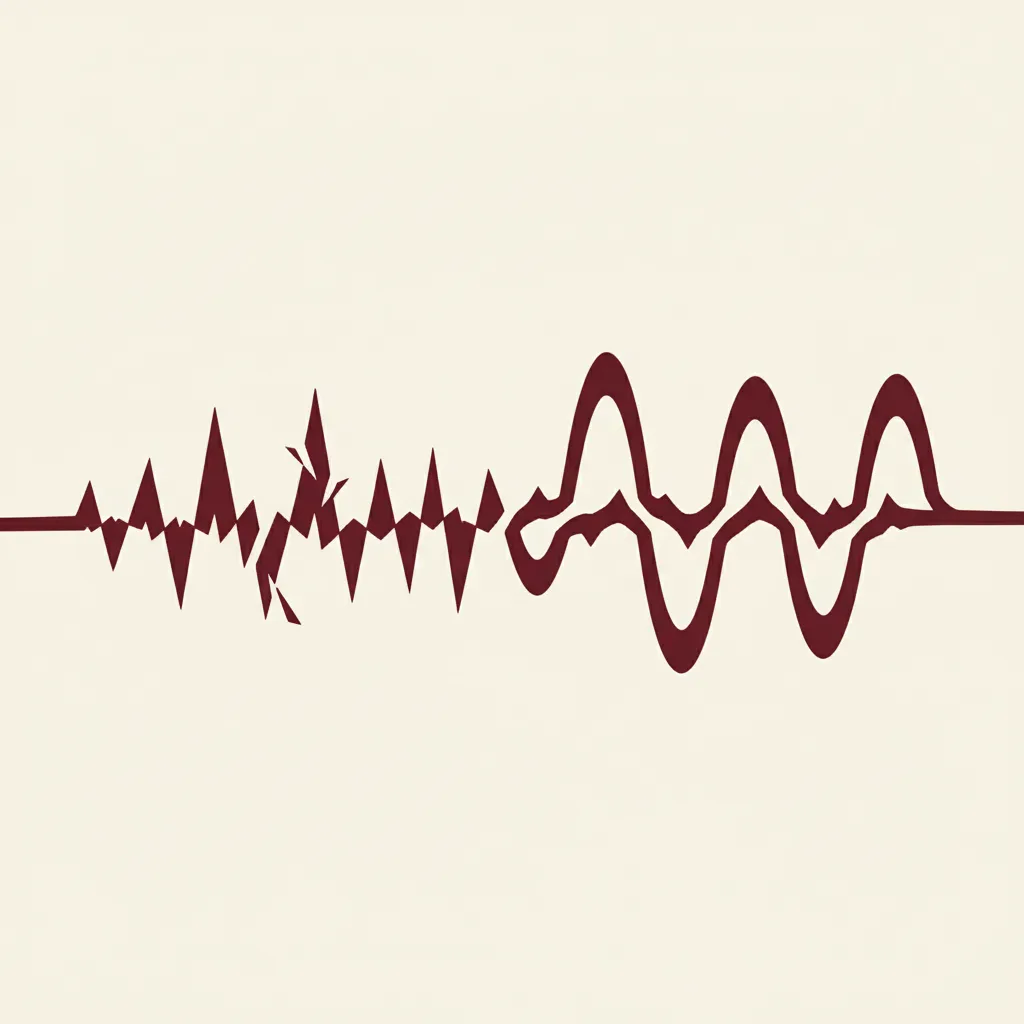
The distinction between stress and anxiety is both neurological and temporal. Stress is a response to an identifiable external stimulus — a deadline, a conflict, a financial setback. Anxiety, by contrast, is the persistence of the stress response in the absence of an immediate threat. Neuroimaging research from the National Institute of Mental Health has shown that anxiety involves hyperactivity in the amygdala and anterior insula even when no threat is present, suggesting that the brain's threat-detection system is firing inappropriately.
It's worth pausing here to address a common misconception. Many people interpret the science of nervous system regulation as suggesting that we should aim for a permanently calm, parasympathetic-dominant state. This is neither possible nor desirable. The sympathetic nervous system exists for excellent reasons: it mobilizes energy for physical activity, sharpens attention during demanding tasks, and enables rapid response to genuine threats. The goal of regulation is not to suppress sympathetic activation but to ensure that the system returns to baseline after activation — and that the activation itself is proportionate to the actual demands of the situation.
Burnout, as defined by the World Health Organization in 2019, is specifically an occupational phenomenon characterized by three dimensions: emotional exhaustion, depersonalization (cynicism toward work), and reduced personal accomplishment. Research from the Karolinska Institute in Sweden has shown that burnout is associated with measurable changes in brain structure — specifically, thinning of the prefrontal cortex and enlargement of the amygdala — changes that mirror those seen in chronic stress and early trauma.
Risk Factors and Vulnerability
The distinction between stress and anxiety is both neurological and temporal. Stress is a response to an identifiable external stimulus — a deadline, a conflict, a financial setback. Anxiety, by contrast, is the persistence of the stress response in the absence of an immediate threat. Neuroimaging research from the National Institute of Mental Health has shown that anxiety involves hyperactivity in the amygdala and anterior insula even when no threat is present, suggesting that the brain's threat-detection system is firing inappropriately.
Gratitude practices have measurable neurological effects. Research using fMRI at Indiana University (2015) demonstrated that gratitude journaling increased activation in the medial prefrontal cortex — a brain region associated with learning, decision-making, and value assessment. Participants who wrote gratitude letters showed greater neural sensitivity to gratitude experiences three months later, suggesting that the practice creates lasting changes in how the brain processes positive experiences.
Recent advances in wearable technology have made it possible for individuals to track their own nervous system state in real time. Devices measuring HRV, electrodermal activity (skin conductance), and continuous heart rate provide biofeedback that was previously available only in clinical settings. Research from the University of Zurich (2020) found that HRV biofeedback training — where individuals learn to increase their HRV in real time using visual or auditory feedback — produced significant improvements in anxiety, depression, and stress resilience that were maintained at six-month follow-up. While these tools are not replacements for professional care, they democratize access to physiological self-awareness.
Loneliness activates the brain's threat-detection circuitry. A landmark study published in Trends in Cognitive Sciences (2015) by John Cacioppo demonstrated that chronic loneliness produces a hypervigilance to social threat — lonely individuals show increased amygdala reactivity to negative social cues and reduced activity in the ventral striatum in response to positive social cues. This creates a self-reinforcing cycle: loneliness makes the brain more vigilant to rejection, which makes social interaction feel more threatening, which increases avoidance and isolation.
Attachment theory, originally developed by John Bowlby and later expanded by Mary Ainsworth, has been powerfully connected to adult stress responses. A 2016 meta-analysis in Psychological Bulletin found that insecure attachment styles (anxious, avoidant, and disorganized) were associated with heightened cortisol reactivity to stressors, reduced HRV, and greater difficulty with emotional regulation. These findings suggest that early relational experiences literally shape the nervous system's capacity to handle stress in adulthood.
When anxiety spikes, splash cold water on your face or hold an ice cube. This triggers the diving reflex — a rapid parasympathetic activation that can reduce heart rate by 10-25% within 15 seconds. It's the fastest non-pharmaceutical anxiety intervention available.
The Role of Chronic Stress
Perfectionism operates as a chronic stress generator because it creates an impossible standard against which all performance is evaluated. Research by Thomas Curran and Andrew Hill, published in Psychological Bulletin (2019), found that perfectionism has increased substantially across generations, with socially prescribed perfectionism (the belief that others demand perfection from you) showing the steepest rise. This form of perfectionism is most strongly associated with anxiety, depression, and burnout because the source of the standard feels external and uncontrollable.
Doomscrolling exploits a well-documented neurological vulnerability. The brain's threat-detection system prioritizes negative information because, in evolutionary terms, missing a threat was far more costly than missing an opportunity. Social media algorithms amplify this bias by serving increasingly alarming content to maximize engagement. Research from the University of Sussex (2019) found that negative news consumption was associated with increased anxiety, sadness, and catastrophic thinking — effects that persisted for hours after the person stopped scrolling.
What makes this area of research particularly compelling is the convergence of evidence from multiple disciplines. Neuroscientists, immunologists, endocrinologists, and psychologists are all arriving at the same conclusion from different angles: chronic stress is not merely a psychological experience but a whole-body physiological state with measurable consequences across every organ system. This interdisciplinary consensus represents a significant departure from the historical tendency to treat mental and physical health as separate domains. The implications for clinical practice are profound — effective treatment must address both the psychological and physiological dimensions of dysregulation.
The relationship between sleep and emotional regulation is bidirectional and potent. Research published in Current Biology (2007) showed that after one night of total sleep deprivation, the amygdala showed a 60% increase in reactivity to negative emotional stimuli, while its functional connectivity with the prefrontal cortex — the brain's rational regulatory center — was significantly reduced. In essence, a single night of poor sleep creates a brain that is more emotionally reactive and less able to regulate those reactions.
Behavioral Patterns That Make It Worse
Attachment theory, originally developed by John Bowlby and later expanded by Mary Ainsworth, has been powerfully connected to adult stress responses. A 2016 meta-analysis in Psychological Bulletin found that insecure attachment styles (anxious, avoidant, and disorganized) were associated with heightened cortisol reactivity to stressors, reduced HRV, and greater difficulty with emotional regulation. These findings suggest that early relational experiences literally shape the nervous system's capacity to handle stress in adulthood.
Perfectionism operates as a chronic stress generator because it creates an impossible standard against which all performance is evaluated. Research by Thomas Curran and Andrew Hill, published in Psychological Bulletin (2019), found that perfectionism has increased substantially across generations, with socially prescribed perfectionism (the belief that others demand perfection from you) showing the steepest rise. This form of perfectionism is most strongly associated with anxiety, depression, and burnout because the source of the standard feels external and uncontrollable.
The relationship between inflammation and mood is one of the most significant discoveries in psychiatry in the past two decades. Research has demonstrated that approximately one-third of patients with treatment-resistant depression show elevated inflammatory markers, and that anti-inflammatory interventions (including omega-3 supplementation, exercise, and anti-inflammatory diets) can produce antidepressant effects in this subgroup. This 'inflammatory' subtype of depression is characterized by fatigue, psychomotor slowing, and increased sleep — symptoms that differ from the classic 'low serotonin' presentation of decreased appetite, insomnia, and agitation. Recognizing this distinction has important implications for treatment selection.
Sleep architecture follows a predictable pattern of approximately 90-minute cycles, each containing progressively different ratios of non-REM and REM sleep. During the first half of the night, slow-wave sleep (stages N3) dominates — this is when growth hormone is released, tissues are repaired, and the glymphatic system clears metabolic waste from the brain. The second half of the night is REM-heavy, devoted primarily to emotional processing, memory consolidation, and creative problem-solving.
Gratitude practices have measurable neurological effects. Research using fMRI at Indiana University (2015) demonstrated that gratitude journaling increased activation in the medial prefrontal cortex — a brain region associated with learning, decision-making, and value assessment. Participants who wrote gratitude letters showed greater neural sensitivity to gratitude experiences three months later, suggesting that the practice creates lasting changes in how the brain processes positive experiences.
Evidence-Based Interventions
The distinction between stress and anxiety is both neurological and temporal. Stress is a response to an identifiable external stimulus — a deadline, a conflict, a financial setback. Anxiety, by contrast, is the persistence of the stress response in the absence of an immediate threat. Neuroimaging research from the National Institute of Mental Health has shown that anxiety involves hyperactivity in the amygdala and anterior insula even when no threat is present, suggesting that the brain's threat-detection system is firing inappropriately.
Decision fatigue is not merely a colloquial complaint but a well-documented cognitive phenomenon. A famous study of Israeli parole judges published in the Proceedings of the National Academy of Sciences (2011) found that the probability of a favorable ruling dropped from about 65% at the start of a session to nearly 0% just before a break — then reset to 65% after the break. This research demonstrates that decision-making depletes a finite cognitive resource, and that the depleted brain defaults to the path of least resistance.
A nuanced understanding of the stress response includes recognizing that not all stress is created equal. Acute, time-limited stress followed by recovery (eustress) actually strengthens the nervous system's regulatory capacity through a process called hormesis — similar to how exercise stresses muscles to make them stronger. The problem arises with chronic, unrelenting stress that prevents recovery, or with traumatic stress that overwhelms the system's capacity to process. This distinction matters for practical decision-making: avoiding all stress is neither possible nor beneficial. The goal is to ensure adequate recovery between periods of activation and to avoid sustained activation without relief.
REM sleep serves as the brain's overnight therapy session. During REM, the brain replays emotionally charged memories while norepinephrine — the brain's stress chemical — is completely suppressed. This allows emotional memories to be processed and reconsolidated without the accompanying stress response. Research by Matthew Walker's team has shown that dreaming about a traumatic event during REM sleep reduces the emotional charge associated with that memory, which may explain why individuals with PTSD — who often have disrupted REM sleep — struggle to process traumatic experiences.
The Body-Based Approach
Doomscrolling exploits a well-documented neurological vulnerability. The brain's threat-detection system prioritizes negative information because, in evolutionary terms, missing a threat was far more costly than missing an opportunity. Social media algorithms amplify this bias by serving increasingly alarming content to maximize engagement. Research from the University of Sussex (2019) found that negative news consumption was associated with increased anxiety, sadness, and catastrophic thinking — effects that persisted for hours after the person stopped scrolling.
Decision fatigue is not merely a colloquial complaint but a well-documented cognitive phenomenon. A famous study of Israeli parole judges published in the Proceedings of the National Academy of Sciences (2011) found that the probability of a favorable ruling dropped from about 65% at the start of a session to nearly 0% just before a break — then reset to 65% after the break. This research demonstrates that decision-making depletes a finite cognitive resource, and that the depleted brain defaults to the path of least resistance.
Recent advances in wearable technology have made it possible for individuals to track their own nervous system state in real time. Devices measuring HRV, electrodermal activity (skin conductance), and continuous heart rate provide biofeedback that was previously available only in clinical settings. Research from the University of Zurich (2020) found that HRV biofeedback training — where individuals learn to increase their HRV in real time using visual or auditory feedback — produced significant improvements in anxiety, depression, and stress resilience that were maintained at six-month follow-up. While these tools are not replacements for professional care, they democratize access to physiological self-awareness.
The distinction between stress and anxiety is both neurological and temporal. Stress is a response to an identifiable external stimulus — a deadline, a conflict, a financial setback. Anxiety, by contrast, is the persistence of the stress response in the absence of an immediate threat. Neuroimaging research from the National Institute of Mental Health has shown that anxiety involves hyperactivity in the amygdala and anterior insula even when no threat is present, suggesting that the brain's threat-detection system is firing inappropriately.
A growing body of research suggests that the most effective interventions are those that combine 'top-down' and 'bottom-up' approaches. Top-down interventions (cognitive therapy, psychoeducation, mindfulness) work through the prefrontal cortex to modulate subcortical stress responses. Bottom-up interventions (breathwork, movement, cold exposure, vagal stimulation) work directly on the autonomic nervous system, bypassing cognitive processing. Research from the Trauma Center at JRI in Boston has shown that individuals with severe dysregulation often benefit most from bottom-up approaches initially, with cognitive interventions becoming more effective once the nervous system has stabilized sufficiently to support reflective thinking.
Cognitive Strategies That Work
The distinction between stress and anxiety is both neurological and temporal. Stress is a response to an identifiable external stimulus — a deadline, a conflict, a financial setback. Anxiety, by contrast, is the persistence of the stress response in the absence of an immediate threat. Neuroimaging research from the National Institute of Mental Health has shown that anxiety involves hyperactivity in the amygdala and anterior insula even when no threat is present, suggesting that the brain's threat-detection system is firing inappropriately.
Perfectionism operates as a chronic stress generator because it creates an impossible standard against which all performance is evaluated. Research by Thomas Curran and Andrew Hill, published in Psychological Bulletin (2019), found that perfectionism has increased substantially across generations, with socially prescribed perfectionism (the belief that others demand perfection from you) showing the steepest rise. This form of perfectionism is most strongly associated with anxiety, depression, and burnout because the source of the standard feels external and uncontrollable.
The clinical implications of this research extend beyond individual treatment. Public health interventions increasingly recognize that chronic stress operates at population level, with socioeconomic disadvantage, racial discrimination, and environmental pollution all contributing to collective nervous system dysregulation. A 2020 study in the American Journal of Public Health found that neighborhood-level stressors — including noise, crime, and lack of green space — predicted HRV at the population level, independent of individual-level factors. This suggests that nervous system health is not solely an individual responsibility but also a function of the environments we create and inhabit.
The inflammation-stress connection operates through the nuclear factor kappa B (NF-kB) pathway. Psychological stress activates NF-kB, which triggers the production of pro-inflammatory cytokines. These cytokines cross the blood-brain barrier and activate microglial cells (the brain's immune cells), producing neuroinflammation that manifests as fatigue, cognitive fog, anhedonia, and increased pain sensitivity. A 2017 meta-analysis in Molecular Psychiatry found that stress-management interventions — including yoga, meditation, and tai chi — reduced NF-kB activity and downstream inflammatory markers.
Lifestyle Modifications
Social media use and anxiety show a dose-response relationship. A 2018 study in the Journal of Social and Clinical Psychology — one of the first randomized controlled trials on the subject — found that limiting social media to 30 minutes per day for three weeks significantly reduced loneliness and depression. Importantly, the mechanism was not simply reduced screen time but reduced social comparison, suggesting that it's the specific cognitive process triggered by social media, not the activity itself, that drives negative outcomes.
The hormonal stress response in women involves additional complexity beyond the HPA axis. Estrogen and progesterone modulate cortisol sensitivity, serotonin production, and GABA receptor function, which is why stress symptoms often fluctuate across the menstrual cycle. Research published in Biological Psychiatry (2018) found that women in the luteal phase (post-ovulation) showed heightened amygdala reactivity to threatening stimuli and reduced prefrontal regulation — essentially creating a window of increased vulnerability to anxiety and stress.
It's also worth noting that individual variation in response to different regulation techniques is substantial and influenced by factors including genetics, trauma history, attachment style, and current nervous system state. A practice that is deeply calming for one person (such as meditation) may be destabilizing for another (particularly individuals with trauma who may find stillness activating). This is not a failure of the practice or the practitioner — it's a reflection of genuine neurobiological difference. The most effective approach is experimental: try a technique for two to four weeks, track your subjective response, and adjust accordingly.
The autonomic nervous system operates largely below conscious awareness, governing heart rate, digestion, respiratory rate, pupillary response, urination, and sexual arousal. It consists of two primary branches: the sympathetic nervous system, which mobilizes the body for action, and the parasympathetic nervous system, which promotes rest, recovery, and digestion. Understanding this fundamental division is the first step toward meaningful nervous system regulation.
The breath is the only autonomic function that can also be consciously controlled, making it a unique bridge between voluntary and involuntary nervous system activity. Research published in the Journal of Neurophysiology (2017) identified a cluster of neurons in the brainstem — the pre-Botzinger complex — that directly links breathing rhythm to arousal states. This neural circuit explains why slow, deep breathing genuinely calms the nervous system rather than merely providing a distraction.
Building Long-Term Resilience
The hormonal stress response in women involves additional complexity beyond the HPA axis. Estrogen and progesterone modulate cortisol sensitivity, serotonin production, and GABA receptor function, which is why stress symptoms often fluctuate across the menstrual cycle. Research published in Biological Psychiatry (2018) found that women in the luteal phase (post-ovulation) showed heightened amygdala reactivity to threatening stimuli and reduced prefrontal regulation — essentially creating a window of increased vulnerability to anxiety and stress.
Rumination — repetitive, circular thinking about problems or distressing events — is one of the strongest predictors of depression and anxiety. Research from Stanford University (2013) using fMRI showed that rumination involves hyperactivation of the default mode network, particularly the subgenual prefrontal cortex, a region strongly implicated in depression. Importantly, rumination is not problem-solving — it does not lead to insight or resolution. Instead, it amplifies negative affect and strengthens the neural pathways associated with distress.
The vagus nerve's role extends far beyond what most popular accounts describe. In addition to its well-known effects on heart rate and digestion, the vagus nerve modulates the inflammatory reflex (reducing systemic inflammation), influences pain processing, regulates glucose metabolism, and even affects social cognition through its connections to facial muscles and middle ear structures involved in detecting prosodic (emotional) features of speech. Research from the Feinstein Institutes for Medical Research has demonstrated that electrical stimulation of the vagus nerve can reduce TNF-alpha (a key inflammatory cytokine) by up to 50%, which has led to FDA-approved vagus nerve stimulation devices for treatment-resistant depression and epilepsy.
Blood sugar fluctuations have a direct and often underappreciated impact on anxiety symptoms. When blood glucose drops rapidly — as occurs after consuming refined carbohydrates — the body mounts a counter-regulatory response that includes adrenaline and cortisol release. This hormonal cascade produces symptoms (racing heart, sweating, trembling, brain fog) that are physiologically identical to an anxiety attack. Research from Yale University (2013) demonstrated that reactive hypoglycemia was significantly more common in patients with panic disorder than in controls, suggesting that blood sugar management may be an underutilized intervention for anxiety.
Sources & Further Reading
- Danziger, S., Levav, J., & Avnaim-Pesso, L. (2011). Extraneous factors in judicial decisions. Proceedings of the National Academy of Sciences, 108(17), 6889-6892.
- Pennebaker, J.W. (1997). Writing about emotional experiences as a therapeutic process. Psychological Science, 8(3), 162-166.
- Hunt, M.G., et al. (2018). No more FOMO: Limiting social media decreases loneliness and depression. Journal of Social and Clinical Psychology, 37(10), 751-768.
- Curran, T., & Hill, A.P. (2019). Perfectionism is increasing over time: A meta-analysis. Psychological Bulletin, 145(4), 410-429.
- Nolen-Hoeksema, S., Wisco, B.E., & Lyubomirsky, S. (2008). Rethinking rumination. Perspectives on Psychological Science, 3(5), 400-424.