Body Scan Meditation: A Complete Guide to the Most Underrated Relaxation Technique
How systematic body awareness reduces anxiety and improves sleep.
What Is Body Scan Meditation?
REM sleep serves as the brain's overnight therapy session. During REM, the brain replays emotionally charged memories while norepinephrine — the brain's stress chemical — is completely suppressed. This allows emotional memories to be processed and reconsolidated without the accompanying stress response. Research by Matthew Walker's team has shown that dreaming about a traumatic event during REM sleep reduces the emotional charge associated with that memory, which may explain why individuals with PTSD — who often have disrupted REM sleep — struggle to process traumatic experiences.
Sleep debt is not a simple bank account. While acute sleep loss (one or two bad nights) can be partially recovered with extra sleep, chronic sleep restriction creates cumulative cognitive deficits that cannot be fully reversed by a single weekend of catch-up sleep. A study in the American Journal of Physiology (2010) found that after two weeks of sleeping 6 hours per night, cognitive performance was equivalent to someone who had been awake for 48 hours straight — yet participants rated their sleepiness as only mildly elevated, suggesting dangerous subjective adaptation to impairment.
The vagus nerve's role extends far beyond what most popular accounts describe. In addition to its well-known effects on heart rate and digestion, the vagus nerve modulates the inflammatory reflex (reducing systemic inflammation), influences pain processing, regulates glucose metabolism, and even affects social cognition through its connections to facial muscles and middle ear structures involved in detecting prosodic (emotional) features of speech. Research from the Feinstein Institutes for Medical Research has demonstrated that electrical stimulation of the vagus nerve can reduce TNF-alpha (a key inflammatory cytokine) by up to 50%, which has led to FDA-approved vagus nerve stimulation devices for treatment-resistant depression and epilepsy.
Nature therapy (shinrin-yoku, or forest bathing) has been studied extensively in Japan since the 1980s. Research published in Environmental Health and Preventive Medicine (2010) found that spending two hours in a forest environment reduced cortisol levels by 16%, blood pressure by 2%, and sympathetic nerve activity by 4% compared to equivalent time in an urban environment. The mechanisms include phytoncides (antimicrobial compounds released by trees that modulate immune function), reduced sensory overstimulation, and the restorative effects of fractal patterns in natural landscapes.
The Science Behind It
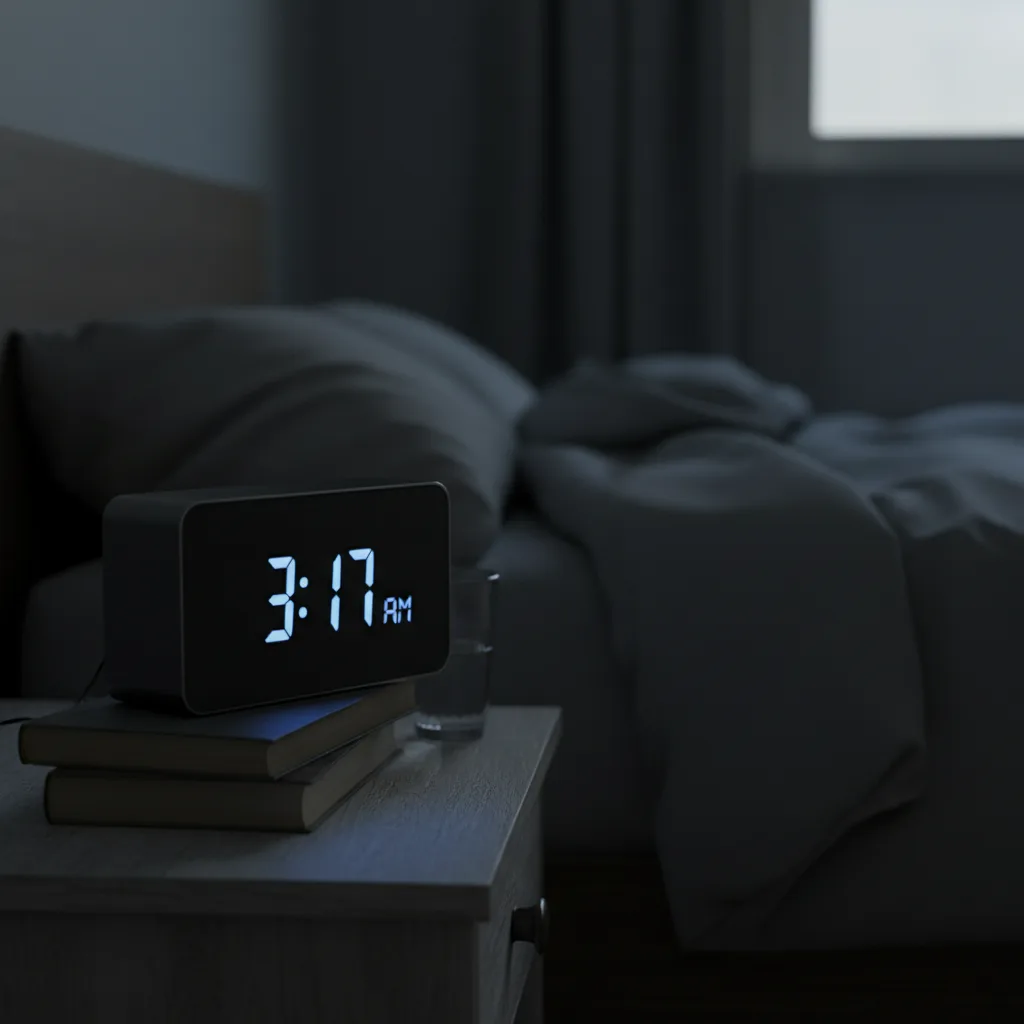
The suprachiasmatic nucleus (SCN), a tiny cluster of about 20,000 neurons in the hypothalamus, serves as the body's master clock. It coordinates circadian rhythms across every organ system based primarily on light input received through specialized retinal ganglion cells. Even brief exposure to blue-enriched light in the evening can delay the SCN's melatonin-release signal by up to 90 minutes, which is why screen use before bed has such a profound impact on sleep onset.
REM sleep serves as the brain's overnight therapy session. During REM, the brain replays emotionally charged memories while norepinephrine — the brain's stress chemical — is completely suppressed. This allows emotional memories to be processed and reconsolidated without the accompanying stress response. Research by Matthew Walker's team has shown that dreaming about a traumatic event during REM sleep reduces the emotional charge associated with that memory, which may explain why individuals with PTSD — who often have disrupted REM sleep — struggle to process traumatic experiences.
One practical implication of this research that is often overlooked is the importance of transitional rituals — deliberate practices that mark the boundary between different states of activation. The morning commute, the lunch break, the evening decompression — these transitional periods serve a neurological function by allowing the nervous system to shift between different modes of operation. The erosion of these boundaries in remote work culture, where the laptop opens on the nightstand and closes on the couch, has eliminated many of the natural regulation points that previously structured the day. Deliberately creating transitional rituals (a 10-minute walk between work and dinner, a specific 'shutdown' routine at end of work, different physical spaces for different activities) can significantly improve nervous system regulation even without adding formal 'practices.'
The bidirectional relationship between sleep and the immune system is mediated by cytokines — signaling molecules that promote inflammation and immune activation. When you're fighting an infection, pro-inflammatory cytokines like interleukin-1 and tumor necrosis factor increase slow-wave sleep, which is why you feel so sleepy when sick. Conversely, chronic sleep deprivation increases pro-inflammatory cytokine levels even in the absence of infection, creating a state of low-grade systemic inflammation associated with cardiovascular disease, diabetes, and depression.
Sleep is not a luxury. It is the single most effective thing you can do for your brain and body every 24 hours.
How It Affects Your Nervous System
Napping science reveals a nuanced picture. A NASA study on military pilots and astronauts found that a 26-minute nap improved performance by 34% and alertness by 54%. However, naps longer than 30 minutes carry the risk of sleep inertia — grogginess caused by waking from deeper sleep stages. The optimal nap length depends on the goal: 10-20 minutes for alertness, 60 minutes for cognitive memory processing (with potential grogginess), or 90 minutes for a full sleep cycle including REM (mood and creativity benefits).
The bidirectional relationship between sleep and the immune system is mediated by cytokines — signaling molecules that promote inflammation and immune activation. When you're fighting an infection, pro-inflammatory cytokines like interleukin-1 and tumor necrosis factor increase slow-wave sleep, which is why you feel so sleepy when sick. Conversely, chronic sleep deprivation increases pro-inflammatory cytokine levels even in the absence of infection, creating a state of low-grade systemic inflammation associated with cardiovascular disease, diabetes, and depression.
A growing body of research suggests that the most effective interventions are those that combine 'top-down' and 'bottom-up' approaches. Top-down interventions (cognitive therapy, psychoeducation, mindfulness) work through the prefrontal cortex to modulate subcortical stress responses. Bottom-up interventions (breathwork, movement, cold exposure, vagal stimulation) work directly on the autonomic nervous system, bypassing cognitive processing. Research from the Trauma Center at JRI in Boston has shown that individuals with severe dysregulation often benefit most from bottom-up approaches initially, with cognitive interventions becoming more effective once the nervous system has stabilized sufficiently to support reflective thinking.
Sleep architecture follows a predictable pattern of approximately 90-minute cycles, each containing progressively different ratios of non-REM and REM sleep. During the first half of the night, slow-wave sleep (stages N3) dominates — this is when growth hormone is released, tissues are repaired, and the glymphatic system clears metabolic waste from the brain. The second half of the night is REM-heavy, devoted primarily to emotional processing, memory consolidation, and creative problem-solving.
What the Research Shows
The relationship between sleep and emotional regulation is bidirectional and potent. Research published in Current Biology (2007) showed that after one night of total sleep deprivation, the amygdala showed a 60% increase in reactivity to negative emotional stimuli, while its functional connectivity with the prefrontal cortex — the brain's rational regulatory center — was significantly reduced. In essence, a single night of poor sleep creates a brain that is more emotionally reactive and less able to regulate those reactions.
Matthew Walker's research at UC Berkeley has demonstrated that even moderate sleep deprivation (sleeping 6 hours instead of 8 for just one week) produces measurable impairments in immune function, with natural killer cell activity dropping by 70%. This finding has significant implications for cancer risk, as natural killer cells are a primary defense against tumor development. Walker's lab also showed that sleep-deprived individuals produce fewer antibodies in response to vaccination.
The social dimension of regulation cannot be overstated. Humans are fundamentally social regulators — our nervous systems evolved in the context of close-knit social groups where safety was a collective, not individual, achievement. Research from the University of Virginia has demonstrated that holding a loved one's hand during a mildly stressful task reduces both subjective anxiety and neural threat responses (as measured by fMRI) compared to holding a stranger's hand or no hand at all. This effect is dose-dependent, with relationship quality predicting the magnitude of the calming effect. In an era of increasing social isolation, this research underscores the biological necessity of meaningful human connection.
The relationship between chronic pain and stress is mediated by shared neural circuits. Research from Northwestern University's Feinberg School of Medicine has shown that chronic pain reorganizes the brain's emotional processing regions, particularly the prefrontal cortex and amygdala. This neurological overlap explains why chronic pain patients frequently develop anxiety and depression, and why effective pain treatment increasingly involves addressing the nervous system's stress response rather than solely targeting peripheral pain signals.
Fermented foods influence mental health through the gut-brain axis by providing live probiotic organisms and producing neuroactive compounds during fermentation. Kimchi, sauerkraut, yogurt, kefir, and kombucha all contain strains of Lactobacillus and Bifidobacterium that have demonstrated anxiolytic properties in clinical trials. A 2022 study published in Molecular Psychiatry found that a diet enriched with fermented foods for four weeks significantly increased microbial diversity and reduced perceived stress levels, with effects that persisted four weeks after the dietary intervention ended.
Common Misconceptions
Sleep architecture follows a predictable pattern of approximately 90-minute cycles, each containing progressively different ratios of non-REM and REM sleep. During the first half of the night, slow-wave sleep (stages N3) dominates — this is when growth hormone is released, tissues are repaired, and the glymphatic system clears metabolic waste from the brain. The second half of the night is REM-heavy, devoted primarily to emotional processing, memory consolidation, and creative problem-solving.
The relationship between sleep and emotional regulation is bidirectional and potent. Research published in Current Biology (2007) showed that after one night of total sleep deprivation, the amygdala showed a 60% increase in reactivity to negative emotional stimuli, while its functional connectivity with the prefrontal cortex — the brain's rational regulatory center — was significantly reduced. In essence, a single night of poor sleep creates a brain that is more emotionally reactive and less able to regulate those reactions.
The concept of 'dose-response' in regulation practices is important and often overlooked. Just as medication has an optimal dose range — below which it's ineffective and above which side effects emerge — regulation practices have optimal duration and intensity parameters. Research from Emory University (2019) found that meditation sessions of 10-20 minutes produced the greatest anxiolytic effects, with diminishing returns beyond 30 minutes and some participants actually reporting increased anxiety during sessions longer than 45 minutes (likely due to sustained interoceptive focus amplifying anxious body sensations in untrained practitioners). Starting with shorter sessions and gradually increasing is both safer and more sustainable.
The suprachiasmatic nucleus (SCN), a tiny cluster of about 20,000 neurons in the hypothalamus, serves as the body's master clock. It coordinates circadian rhythms across every organ system based primarily on light input received through specialized retinal ganglion cells. Even brief exposure to blue-enriched light in the evening can delay the SCN's melatonin-release signal by up to 90 minutes, which is why screen use before bed has such a profound impact on sleep onset.
The bidirectional relationship between sleep and the immune system is mediated by cytokines — signaling molecules that promote inflammation and immune activation. When you're fighting an infection, pro-inflammatory cytokines like interleukin-1 and tumor necrosis factor increase slow-wave sleep, which is why you feel so sleepy when sick. Conversely, chronic sleep deprivation increases pro-inflammatory cytokine levels even in the absence of infection, creating a state of low-grade systemic inflammation associated with cardiovascular disease, diabetes, and depression.
For the 3-2-1 sleep rule: stop eating 3 hours before bed (to avoid blood sugar disruptions), stop working 2 hours before bed (to allow cortisol to drop), and stop screens 1 hour before bed (to protect melatonin production).
Practical Applications
The suprachiasmatic nucleus (SCN), a tiny cluster of about 20,000 neurons in the hypothalamus, serves as the body's master clock. It coordinates circadian rhythms across every organ system based primarily on light input received through specialized retinal ganglion cells. Even brief exposure to blue-enriched light in the evening can delay the SCN's melatonin-release signal by up to 90 minutes, which is why screen use before bed has such a profound impact on sleep onset.
Chronotype — your natural preference for morning or evening activity — is genetically determined and shifts across the lifespan. Research published in Current Biology (2019) identified nearly 400 genetic variants associated with chronotype. Adolescents naturally shift toward later chronotypes (explaining why teens struggle with early school start times), while older adults tend to shift earlier. Forcing yourself to operate against your chronotype has measurable health consequences: a UK Biobank study of 430,000 people found that evening chronotypes forced to wake early had a 10% higher mortality risk.
This finding aligns with a broader pattern in psychophysiology research: the body's regulatory systems are not fixed but remarkably plastic. When provided with consistent, appropriate inputs — whether through breathwork, movement, social connection, or nutritional support — the nervous system can recalibrate toward more adaptive baseline states. The key word here is 'consistent.' Single interventions produce temporary shifts; sustained practice produces lasting change. Research from the University of Wisconsin's Center for Healthy Minds has demonstrated that as little as two weeks of daily practice can produce detectable changes in neural connectivity, with more substantial structural changes emerging after eight to twelve weeks.
Toxic positivity — the insistence that one should maintain a positive attitude regardless of circumstances — actively interferes with emotional processing. Research from the University of Texas (2017) demonstrated that suppressing negative emotions increased physiological stress markers (heart rate, skin conductance, cortisol) compared to acknowledging and expressing those emotions. The study found that emotional suppression required significant cognitive effort, depleting executive function resources and paradoxically intensifying the suppressed emotion.
Hustle culture — the valorization of overwork as a moral virtue — functions as a systemic nervous system stressor. Research from the Stanford Graduate School of Business (2015) found that working more than 50 hours per week produced diminishing marginal returns, and that productivity at 70 hours was essentially identical to productivity at 55 hours. Beyond productivity, chronic overwork was associated with a 33% increased risk of stroke and a 13% increased risk of coronary heart disease, according to a WHO/ILO systematic review of 194 countries.
The Mind-Body Connection
Chronotype — your natural preference for morning or evening activity — is genetically determined and shifts across the lifespan. Research published in Current Biology (2019) identified nearly 400 genetic variants associated with chronotype. Adolescents naturally shift toward later chronotypes (explaining why teens struggle with early school start times), while older adults tend to shift earlier. Forcing yourself to operate against your chronotype has measurable health consequences: a UK Biobank study of 430,000 people found that evening chronotypes forced to wake early had a 10% higher mortality risk.
The bidirectional relationship between sleep and the immune system is mediated by cytokines — signaling molecules that promote inflammation and immune activation. When you're fighting an infection, pro-inflammatory cytokines like interleukin-1 and tumor necrosis factor increase slow-wave sleep, which is why you feel so sleepy when sick. Conversely, chronic sleep deprivation increases pro-inflammatory cytokine levels even in the absence of infection, creating a state of low-grade systemic inflammation associated with cardiovascular disease, diabetes, and depression.
The intersection of nervous system science and traditional healing practices is an area of growing academic interest. Many traditional practices — including yoga, tai chi, chanting, drumming, sweat lodges, and cold water immersion — have been practiced for centuries or millennia and are now being validated by modern neuroscience. A 2018 review in the Annals of the New York Academy of Sciences found that traditional mind-body practices consistently improved vagal tone, reduced inflammatory markers, and enhanced emotional regulation — often through mechanisms that their original practitioners could not have articulated in modern scientific terms but clearly understood experientially.
Fascia — the continuous web of connective tissue that surrounds every muscle, bone, nerve, and organ — is increasingly recognized as a sensory organ in its own right. Research from the Fascia Research Congress has demonstrated that fascia contains more proprioceptive nerve endings than muscle tissue itself. When fascia becomes restricted through chronic tension, injury, or sedentary behavior, it sends persistent nociceptive (pain) signals to the central nervous system, maintaining a low-level stress response even in the absence of psychological stressors.
The glymphatic system, discovered in 2012 by Maiken Nedergaard's lab at the University of Rochester, represents a major breakthrough in understanding why sleep is biologically necessary. During deep sleep, glial cells shrink by up to 60%, expanding the interstitial space between brain cells and allowing cerebrospinal fluid to flush out metabolic waste products — including beta-amyloid, the protein associated with Alzheimer's disease. This cleaning process is almost entirely inactive during wakefulness, making deep sleep literally essential for brain health.
Who Benefits Most
The bidirectional relationship between sleep and the immune system is mediated by cytokines — signaling molecules that promote inflammation and immune activation. When you're fighting an infection, pro-inflammatory cytokines like interleukin-1 and tumor necrosis factor increase slow-wave sleep, which is why you feel so sleepy when sick. Conversely, chronic sleep deprivation increases pro-inflammatory cytokine levels even in the absence of infection, creating a state of low-grade systemic inflammation associated with cardiovascular disease, diabetes, and depression.
REM sleep serves as the brain's overnight therapy session. During REM, the brain replays emotionally charged memories while norepinephrine — the brain's stress chemical — is completely suppressed. This allows emotional memories to be processed and reconsolidated without the accompanying stress response. Research by Matthew Walker's team has shown that dreaming about a traumatic event during REM sleep reduces the emotional charge associated with that memory, which may explain why individuals with PTSD — who often have disrupted REM sleep — struggle to process traumatic experiences.
One of the most underappreciated aspects of this research is the role of safety. The nervous system does not regulate in response to commands or willpower — it regulates in response to cues of safety. This is a fundamental insight from polyvagal theory: the ventral vagal system (which supports calm alertness and social engagement) activates only when the nervous system detects sufficient safety signals. These signals include prosodic voice patterns, warm facial expressions, physical touch, rhythmic movement, and predictable environments. Understanding this helps explain why some people cannot simply 'relax on command' — their nervous system has not received adequate safety cues to permit relaxation.
This finding aligns with a broader pattern in psychophysiology research: the body's regulatory systems are not fixed but remarkably plastic. When provided with consistent, appropriate inputs — whether through breathwork, movement, social connection, or nutritional support — the nervous system can recalibrate toward more adaptive baseline states. The key word here is 'consistent.' Single interventions produce temporary shifts; sustained practice produces lasting change. Research from the University of Wisconsin's Center for Healthy Minds has demonstrated that as little as two weeks of daily practice can produce detectable changes in neural connectivity, with more substantial structural changes emerging after eight to twelve weeks.
Getting Started: A Step-by-Step Guide
The bidirectional relationship between sleep and the immune system is mediated by cytokines — signaling molecules that promote inflammation and immune activation. When you're fighting an infection, pro-inflammatory cytokines like interleukin-1 and tumor necrosis factor increase slow-wave sleep, which is why you feel so sleepy when sick. Conversely, chronic sleep deprivation increases pro-inflammatory cytokine levels even in the absence of infection, creating a state of low-grade systemic inflammation associated with cardiovascular disease, diabetes, and depression.
The suprachiasmatic nucleus (SCN), a tiny cluster of about 20,000 neurons in the hypothalamus, serves as the body's master clock. It coordinates circadian rhythms across every organ system based primarily on light input received through specialized retinal ganglion cells. Even brief exposure to blue-enriched light in the evening can delay the SCN's melatonin-release signal by up to 90 minutes, which is why screen use before bed has such a profound impact on sleep onset.
It's worth pausing here to address a common misconception. Many people interpret the science of nervous system regulation as suggesting that we should aim for a permanently calm, parasympathetic-dominant state. This is neither possible nor desirable. The sympathetic nervous system exists for excellent reasons: it mobilizes energy for physical activity, sharpens attention during demanding tasks, and enables rapid response to genuine threats. The goal of regulation is not to suppress sympathetic activation but to ensure that the system returns to baseline after activation — and that the activation itself is proportionate to the actual demands of the situation.
Dance therapy engages the nervous system differently from structured exercise because it involves spontaneous, self-directed movement without performance pressure. Research from the University of Hertfordshire (2019) found that free-form dance for 30 minutes produced greater reductions in cortisol and greater increases in serotonin than equivalent-intensity structured exercise. The researchers attributed this to the combination of rhythmic movement, musical engagement, and the absence of performance evaluation — essentially creating a safe space for the body to move without the sympathetic activation that often accompanies exercise in competitive or evaluative contexts.
Common Mistakes to Avoid
The bidirectional relationship between sleep and the immune system is mediated by cytokines — signaling molecules that promote inflammation and immune activation. When you're fighting an infection, pro-inflammatory cytokines like interleukin-1 and tumor necrosis factor increase slow-wave sleep, which is why you feel so sleepy when sick. Conversely, chronic sleep deprivation increases pro-inflammatory cytokine levels even in the absence of infection, creating a state of low-grade systemic inflammation associated with cardiovascular disease, diabetes, and depression.
A 2017 meta-analysis published in Sleep Medicine Reviews analyzed 49 studies and found that cognitive behavioral therapy for insomnia (CBT-I) produced outcomes equal to or better than sleep medication for chronic insomnia — and the effects were more durable. Unlike medication, which loses efficacy over time and carries dependency risks, CBT-I addresses the underlying behavioral and cognitive patterns that perpetuate insomnia.
This finding aligns with a broader pattern in psychophysiology research: the body's regulatory systems are not fixed but remarkably plastic. When provided with consistent, appropriate inputs — whether through breathwork, movement, social connection, or nutritional support — the nervous system can recalibrate toward more adaptive baseline states. The key word here is 'consistent.' Single interventions produce temporary shifts; sustained practice produces lasting change. Research from the University of Wisconsin's Center for Healthy Minds has demonstrated that as little as two weeks of daily practice can produce detectable changes in neural connectivity, with more substantial structural changes emerging after eight to twelve weeks.
Screen time affects the nervous system through multiple pathways. The blue light emitted by screens suppresses melatonin production, but the more significant impact is attentional: the rapid-fire stimulation of social media, news, and notifications keeps the brain in a state of sustained partial attention — a low-level sympathetic activation that prevents deep relaxation even when the content being consumed is not inherently stressful.
When to Seek Professional Help
Sleep spindles — brief bursts of neural oscillation during stage N2 sleep — are increasingly recognized as critical for memory consolidation. Research from the University of California (2019) demonstrated that sleep spindle density predicted next-day learning capacity. Older adults show reduced spindle activity, which may partially explain age-related memory decline. Interestingly, targeted auditory stimulation during sleep can enhance spindle activity and improve subsequent memory performance.
Matthew Walker's research at UC Berkeley has demonstrated that even moderate sleep deprivation (sleeping 6 hours instead of 8 for just one week) produces measurable impairments in immune function, with natural killer cell activity dropping by 70%. This finding has significant implications for cancer risk, as natural killer cells are a primary defense against tumor development. Walker's lab also showed that sleep-deprived individuals produce fewer antibodies in response to vaccination.
This finding aligns with a broader pattern in psychophysiology research: the body's regulatory systems are not fixed but remarkably plastic. When provided with consistent, appropriate inputs — whether through breathwork, movement, social connection, or nutritional support — the nervous system can recalibrate toward more adaptive baseline states. The key word here is 'consistent.' Single interventions produce temporary shifts; sustained practice produces lasting change. Research from the University of Wisconsin's Center for Healthy Minds has demonstrated that as little as two weeks of daily practice can produce detectable changes in neural connectivity, with more substantial structural changes emerging after eight to twelve weeks.
The gut-brain axis represents one of the most active areas of neuroscience research. The enteric nervous system contains approximately 500 million neurons and produces 95% of the body's serotonin. Gut bacteria communicate with the brain through multiple pathways: the vagus nerve (neural), the immune system (inflammatory cytokines), and the endocrine system (hormones and neuropeptides). A landmark 2011 study in the Proceedings of the National Academy of Sciences demonstrated that Lactobacillus rhamnosus supplementation reduced anxiety-like behavior in mice — an effect that was abolished when the vagus nerve was severed, confirming that the gut-brain communication is neurally mediated.
The distinction between stress and anxiety is both neurological and temporal. Stress is a response to an identifiable external stimulus — a deadline, a conflict, a financial setback. Anxiety, by contrast, is the persistence of the stress response in the absence of an immediate threat. Neuroimaging research from the National Institute of Mental Health has shown that anxiety involves hyperactivity in the amygdala and anterior insula even when no threat is present, suggesting that the brain's threat-detection system is firing inappropriately.
Putting It All Together
Sleep spindles — brief bursts of neural oscillation during stage N2 sleep — are increasingly recognized as critical for memory consolidation. Research from the University of California (2019) demonstrated that sleep spindle density predicted next-day learning capacity. Older adults show reduced spindle activity, which may partially explain age-related memory decline. Interestingly, targeted auditory stimulation during sleep can enhance spindle activity and improve subsequent memory performance.
A 2017 meta-analysis published in Sleep Medicine Reviews analyzed 49 studies and found that cognitive behavioral therapy for insomnia (CBT-I) produced outcomes equal to or better than sleep medication for chronic insomnia — and the effects were more durable. Unlike medication, which loses efficacy over time and carries dependency risks, CBT-I addresses the underlying behavioral and cognitive patterns that perpetuate insomnia.
The concept of 'dose-response' in regulation practices is important and often overlooked. Just as medication has an optimal dose range — below which it's ineffective and above which side effects emerge — regulation practices have optimal duration and intensity parameters. Research from Emory University (2019) found that meditation sessions of 10-20 minutes produced the greatest anxiolytic effects, with diminishing returns beyond 30 minutes and some participants actually reporting increased anxiety during sessions longer than 45 minutes (likely due to sustained interoceptive focus amplifying anxious body sensations in untrained practitioners). Starting with shorter sessions and gradually increasing is both safer and more sustainable.
Swimming combines multiple nervous system regulation mechanisms: the diving reflex triggered by water contact, hydrostatic pressure that provides gentle proprioceptive input across the entire body, rhythmic bilateral movement that activates cross-hemisphere brain coordination, and the meditative quality of regulated breathing. A 2019 systematic review in the British Journal of Sports Medicine found that swimming was associated with a 28% lower risk of all-cause mortality compared to sedentary individuals — a larger reduction than walking or cycling.
Sources & Further Reading
- Walker, M. (2017). Why We Sleep: Unlocking the Power of Sleep and Dreams. Scribner.
- Irwin, M.R. (2015). Why sleep is important for health: A psychoneuroimmunology perspective. Annual Review of Psychology, 66, 143-172.
- Nedergaard, M., & Goldman, S.A. (2020). Glymphatic failure as a final common pathway to dementia. Science, 370(6512), 50-56.
- Jones, S.E., et al. (2019). Genome-wide association analyses of chronotype. Nature Communications, 10, 343.
- Trauer, J.M., et al. (2015). Cognitive behavioral therapy for chronic insomnia: A systematic review and meta-analysis. Annals of Internal Medicine, 163(3), 191-204.