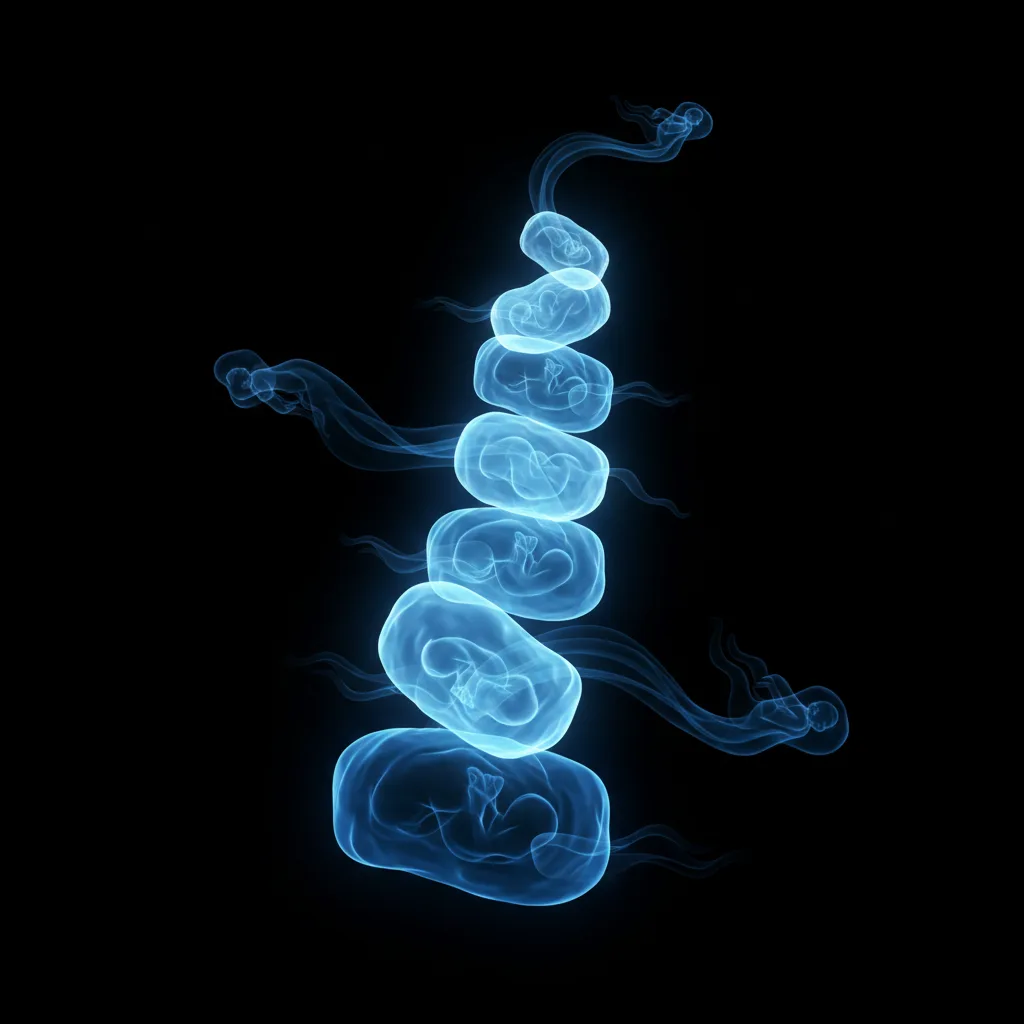
Morning Lark or Night Owl? How Your Chronotype Affects Everything
Your natural sleep-wake preference is genetically determined — and fighting it has consequences.

What Is Morning Lark or Night Owl? How Your Chronotype Affects Everything?
Sleep spindles — brief bursts of neural oscillation during stage N2 sleep — are increasingly recognized as critical for memory consolidation. Research from the University of California (2019) demonstrated that sleep spindle density predicted next-day learning capacity. Older adults show reduced spindle activity, which may partially explain age-related memory decline. Interestingly, targeted auditory stimulation during sleep can enhance spindle activity and improve subsequent memory performance.
Matthew Walker's research at UC Berkeley has demonstrated that even moderate sleep deprivation (sleeping 6 hours instead of 8 for just one week) produces measurable impairments in immune function, with natural killer cell activity dropping by 70%. This finding has significant implications for cancer risk, as natural killer cells are a primary defense against tumor development. Walker's lab also showed that sleep-deprived individuals produce fewer antibodies in response to vaccination.
Recent advances in wearable technology have made it possible for individuals to track their own nervous system state in real time. Devices measuring HRV, electrodermal activity (skin conductance), and continuous heart rate provide biofeedback that was previously available only in clinical settings. Research from the University of Zurich (2020) found that HRV biofeedback training — where individuals learn to increase their HRV in real time using visual or auditory feedback — produced significant improvements in anxiety, depression, and stress resilience that were maintained at six-month follow-up. While these tools are not replacements for professional care, they democratize access to physiological self-awareness.
The enteric nervous system, sometimes called the 'second brain,' contains over 500 million neurons lining the gastrointestinal tract. This neural network communicates bidirectionally with the central nervous system via the vagus nerve, which is why stress so commonly manifests as digestive symptoms. Research from the Alimentary Pharmabiotic Centre at University College Cork has demonstrated that gut microbiota composition directly influences vagal signaling and, consequently, stress reactivity and mood.
The Science Behind It
The bidirectional relationship between sleep and the immune system is mediated by cytokines — signaling molecules that promote inflammation and immune activation. When you're fighting an infection, pro-inflammatory cytokines like interleukin-1 and tumor necrosis factor increase slow-wave sleep, which is why you feel so sleepy when sick. Conversely, chronic sleep deprivation increases pro-inflammatory cytokine levels even in the absence of infection, creating a state of low-grade systemic inflammation associated with cardiovascular disease, diabetes, and depression.
The suprachiasmatic nucleus (SCN), a tiny cluster of about 20,000 neurons in the hypothalamus, serves as the body's master clock. It coordinates circadian rhythms across every organ system based primarily on light input received through specialized retinal ganglion cells. Even brief exposure to blue-enriched light in the evening can delay the SCN's melatonin-release signal by up to 90 minutes, which is why screen use before bed has such a profound impact on sleep onset.
The clinical implications of this research extend beyond individual treatment. Public health interventions increasingly recognize that chronic stress operates at population level, with socioeconomic disadvantage, racial discrimination, and environmental pollution all contributing to collective nervous system dysregulation. A 2020 study in the American Journal of Public Health found that neighborhood-level stressors — including noise, crime, and lack of green space — predicted HRV at the population level, independent of individual-level factors. This suggests that nervous system health is not solely an individual responsibility but also a function of the environments we create and inhabit.
What makes this area of research particularly compelling is the convergence of evidence from multiple disciplines. Neuroscientists, immunologists, endocrinologists, and psychologists are all arriving at the same conclusion from different angles: chronic stress is not merely a psychological experience but a whole-body physiological state with measurable consequences across every organ system. This interdisciplinary consensus represents a significant departure from the historical tendency to treat mental and physical health as separate domains. The implications for clinical practice are profound — effective treatment must address both the psychological and physiological dimensions of dysregulation.
The most powerful regulation tool isn't a technique — it's another regulated nervous system. We heal in relationship.
How It Affects Your Nervous System
Melatonin is widely misunderstood. It is not a sedative — it is a chronobiotic signal that tells the body it's time to prepare for sleep. Exogenous melatonin supplements are most effective for circadian rhythm disorders (jet lag, shift work) rather than general insomnia. Research from MIT suggests that most commercial melatonin supplements contain doses 3-10 times higher than what's physiologically effective (0.3-0.5mg vs. the typical 3-10mg sold in stores), and higher doses can actually cause next-day grogginess and disrupt natural melatonin production.
The relationship between sleep and emotional regulation is bidirectional and potent. Research published in Current Biology (2007) showed that after one night of total sleep deprivation, the amygdala showed a 60% increase in reactivity to negative emotional stimuli, while its functional connectivity with the prefrontal cortex — the brain's rational regulatory center — was significantly reduced. In essence, a single night of poor sleep creates a brain that is more emotionally reactive and less able to regulate those reactions.
The clinical implications of this research extend beyond individual treatment. Public health interventions increasingly recognize that chronic stress operates at population level, with socioeconomic disadvantage, racial discrimination, and environmental pollution all contributing to collective nervous system dysregulation. A 2020 study in the American Journal of Public Health found that neighborhood-level stressors — including noise, crime, and lack of green space — predicted HRV at the population level, independent of individual-level factors. This suggests that nervous system health is not solely an individual responsibility but also a function of the environments we create and inhabit.
Phone addiction — or more accurately, problematic smartphone use — shares neurological features with behavioral addictions. Dopamine release occurs not when you check your phone but in anticipation of checking — the notification sound, the vibration, even the act of reaching for the device triggers a dopamine surge. This anticipatory reward mechanism is the same one exploited by slot machines and was deliberately engineered into social media platforms, as former Facebook and Google engineers have publicly acknowledged.
REM sleep serves as the brain's overnight therapy session. During REM, the brain replays emotionally charged memories while norepinephrine — the brain's stress chemical — is completely suppressed. This allows emotional memories to be processed and reconsolidated without the accompanying stress response. Research by Matthew Walker's team has shown that dreaming about a traumatic event during REM sleep reduces the emotional charge associated with that memory, which may explain why individuals with PTSD — who often have disrupted REM sleep — struggle to process traumatic experiences.
What the Research Shows
Chronotype — your natural preference for morning or evening activity — is genetically determined and shifts across the lifespan. Research published in Current Biology (2019) identified nearly 400 genetic variants associated with chronotype. Adolescents naturally shift toward later chronotypes (explaining why teens struggle with early school start times), while older adults tend to shift earlier. Forcing yourself to operate against your chronotype has measurable health consequences: a UK Biobank study of 430,000 people found that evening chronotypes forced to wake early had a 10% higher mortality risk.
Melatonin is widely misunderstood. It is not a sedative — it is a chronobiotic signal that tells the body it's time to prepare for sleep. Exogenous melatonin supplements are most effective for circadian rhythm disorders (jet lag, shift work) rather than general insomnia. Research from MIT suggests that most commercial melatonin supplements contain doses 3-10 times higher than what's physiologically effective (0.3-0.5mg vs. the typical 3-10mg sold in stores), and higher doses can actually cause next-day grogginess and disrupt natural melatonin production.
The relationship between the mind and body in stress processing is best understood not as a one-way street but as a continuous feedback loop. Psychological stress produces physical symptoms (muscle tension, digestive disruption, cardiovascular changes), and those physical symptoms, in turn, generate psychological distress (anxiety about health, frustration with chronic symptoms, social withdrawal due to fatigue). Breaking this cycle requires intervention at the physical level, not just the cognitive level. This is why body-based approaches — breathwork, movement, cold exposure, and somatic practices — often succeed where purely cognitive approaches plateau.
The gut-brain axis represents one of the most active areas of neuroscience research. The enteric nervous system contains approximately 500 million neurons and produces 95% of the body's serotonin. Gut bacteria communicate with the brain through multiple pathways: the vagus nerve (neural), the immune system (inflammatory cytokines), and the endocrine system (hormones and neuropeptides). A landmark 2011 study in the Proceedings of the National Academy of Sciences demonstrated that Lactobacillus rhamnosus supplementation reduced anxiety-like behavior in mice — an effect that was abolished when the vagus nerve was severed, confirming that the gut-brain communication is neurally mediated.
Heart rate variability (HRV) has emerged as one of the most reliable biomarkers for nervous system flexibility. Unlike resting heart rate, which tells you how fast your heart beats, HRV measures the variation in time between successive heartbeats. Higher HRV indicates greater parasympathetic influence and is associated with better emotional regulation, cognitive flexibility, and stress resilience. Research from the HeartMath Institute has shown that even brief coherence practices can measurably improve HRV within minutes.
Common Misconceptions
Sleep spindles — brief bursts of neural oscillation during stage N2 sleep — are increasingly recognized as critical for memory consolidation. Research from the University of California (2019) demonstrated that sleep spindle density predicted next-day learning capacity. Older adults show reduced spindle activity, which may partially explain age-related memory decline. Interestingly, targeted auditory stimulation during sleep can enhance spindle activity and improve subsequent memory performance.
The bidirectional relationship between sleep and the immune system is mediated by cytokines — signaling molecules that promote inflammation and immune activation. When you're fighting an infection, pro-inflammatory cytokines like interleukin-1 and tumor necrosis factor increase slow-wave sleep, which is why you feel so sleepy when sick. Conversely, chronic sleep deprivation increases pro-inflammatory cytokine levels even in the absence of infection, creating a state of low-grade systemic inflammation associated with cardiovascular disease, diabetes, and depression.
The relationship between inflammation and mood is one of the most significant discoveries in psychiatry in the past two decades. Research has demonstrated that approximately one-third of patients with treatment-resistant depression show elevated inflammatory markers, and that anti-inflammatory interventions (including omega-3 supplementation, exercise, and anti-inflammatory diets) can produce antidepressant effects in this subgroup. This 'inflammatory' subtype of depression is characterized by fatigue, psychomotor slowing, and increased sleep — symptoms that differ from the classic 'low serotonin' presentation of decreased appetite, insomnia, and agitation. Recognizing this distinction has important implications for treatment selection.
Notification anxiety represents a conditioned stress response. Research from the University of Sussex (2016) found that smartphone notifications, even when unread, produced significant increases in inattention, hyperactivity, and distraction symptoms. The mere awareness that notifications might arrive kept participants in a state of low-level vigilance — a sympathetic nervous system activation pattern that compounds over hundreds of daily interruptions.
The single most impactful thing you can do for your sleep is to get bright light exposure within 30 minutes of waking. This resets your circadian clock and ensures melatonin release happens at the right time that evening.
Practical Applications
REM sleep serves as the brain's overnight therapy session. During REM, the brain replays emotionally charged memories while norepinephrine — the brain's stress chemical — is completely suppressed. This allows emotional memories to be processed and reconsolidated without the accompanying stress response. Research by Matthew Walker's team has shown that dreaming about a traumatic event during REM sleep reduces the emotional charge associated with that memory, which may explain why individuals with PTSD — who often have disrupted REM sleep — struggle to process traumatic experiences.
The suprachiasmatic nucleus (SCN), a tiny cluster of about 20,000 neurons in the hypothalamus, serves as the body's master clock. It coordinates circadian rhythms across every organ system based primarily on light input received through specialized retinal ganglion cells. Even brief exposure to blue-enriched light in the evening can delay the SCN's melatonin-release signal by up to 90 minutes, which is why screen use before bed has such a profound impact on sleep onset.
Sleep remains the single most potent nervous system regulation intervention available, yet it is consistently the most neglected. During sleep — particularly during slow-wave and REM stages — the brain undergoes critical maintenance processes: clearing metabolic waste through the glymphatic system, consolidating memories, processing emotional experiences, recalibrating stress hormones, and repairing cellular damage. The research is unequivocal: there is no aspect of physical or mental health that is not impaired by insufficient sleep, and no amount of other regulation practices can compensate for chronic sleep deprivation. Prioritizing sleep is not optional — it is the foundation upon which all other regulation efforts rest.
Grief produces measurable nervous system disruption. Research published in Psychosomatic Medicine (2014) found that bereaved individuals showed significantly reduced HRV for up to 12 months following loss, indicating sustained parasympathetic suppression. Additionally, a study from Northwestern University demonstrated that grief activates the posterior cingulate cortex and precuneus — brain regions involved in self-referential processing and autobiographical memory — creating the neurological basis for the intrusive memories and identity disruption commonly reported during bereavement.
The autonomic nervous system operates largely below conscious awareness, governing heart rate, digestion, respiratory rate, pupillary response, urination, and sexual arousal. It consists of two primary branches: the sympathetic nervous system, which mobilizes the body for action, and the parasympathetic nervous system, which promotes rest, recovery, and digestion. Understanding this fundamental division is the first step toward meaningful nervous system regulation.
The Mind-Body Connection
REM sleep serves as the brain's overnight therapy session. During REM, the brain replays emotionally charged memories while norepinephrine — the brain's stress chemical — is completely suppressed. This allows emotional memories to be processed and reconsolidated without the accompanying stress response. Research by Matthew Walker's team has shown that dreaming about a traumatic event during REM sleep reduces the emotional charge associated with that memory, which may explain why individuals with PTSD — who often have disrupted REM sleep — struggle to process traumatic experiences.
Sleep architecture follows a predictable pattern of approximately 90-minute cycles, each containing progressively different ratios of non-REM and REM sleep. During the first half of the night, slow-wave sleep (stages N3) dominates — this is when growth hormone is released, tissues are repaired, and the glymphatic system clears metabolic waste from the brain. The second half of the night is REM-heavy, devoted primarily to emotional processing, memory consolidation, and creative problem-solving.
One practical implication of this research that is often overlooked is the importance of transitional rituals — deliberate practices that mark the boundary between different states of activation. The morning commute, the lunch break, the evening decompression — these transitional periods serve a neurological function by allowing the nervous system to shift between different modes of operation. The erosion of these boundaries in remote work culture, where the laptop opens on the nightstand and closes on the couch, has eliminated many of the natural regulation points that previously structured the day. Deliberately creating transitional rituals (a 10-minute walk between work and dinner, a specific 'shutdown' routine at end of work, different physical spaces for different activities) can significantly improve nervous system regulation even without adding formal 'practices.'
Dance therapy engages the nervous system differently from structured exercise because it involves spontaneous, self-directed movement without performance pressure. Research from the University of Hertfordshire (2019) found that free-form dance for 30 minutes produced greater reductions in cortisol and greater increases in serotonin than equivalent-intensity structured exercise. The researchers attributed this to the combination of rhythmic movement, musical engagement, and the absence of performance evaluation — essentially creating a safe space for the body to move without the sympathetic activation that often accompanies exercise in competitive or evaluative contexts.
Who Benefits Most
Melatonin is widely misunderstood. It is not a sedative — it is a chronobiotic signal that tells the body it's time to prepare for sleep. Exogenous melatonin supplements are most effective for circadian rhythm disorders (jet lag, shift work) rather than general insomnia. Research from MIT suggests that most commercial melatonin supplements contain doses 3-10 times higher than what's physiologically effective (0.3-0.5mg vs. the typical 3-10mg sold in stores), and higher doses can actually cause next-day grogginess and disrupt natural melatonin production.
A 2017 meta-analysis published in Sleep Medicine Reviews analyzed 49 studies and found that cognitive behavioral therapy for insomnia (CBT-I) produced outcomes equal to or better than sleep medication for chronic insomnia — and the effects were more durable. Unlike medication, which loses efficacy over time and carries dependency risks, CBT-I addresses the underlying behavioral and cognitive patterns that perpetuate insomnia.
For those beginning to explore this territory, the sheer volume of information can itself become overwhelming — paradoxically adding another source of stress. A useful framework is to start with one practice that addresses your most prominent symptom. If your primary issue is racing thoughts, begin with breathwork. If it's physical tension, start with progressive muscle relaxation or somatic movement. If it's emotional reactivity, try a brief daily mindfulness practice. The evidence consistently shows that any single regulation practice, done consistently, produces downstream benefits across multiple domains. You don't need to do everything — you need to do one thing reliably.
Magnesium is involved in over 300 enzymatic reactions in the body, including many that directly influence nervous system function. It serves as a natural calcium channel blocker, modulating the excitability of neurons. Research published in Nutrients (2017) found that magnesium supplementation significantly reduced subjective anxiety in moderately anxious individuals, with effects comparable to low-dose pharmaceutical anxiolytics. The most bioavailable forms — magnesium glycinate, threonate, and taurate — are preferred over magnesium oxide, which has poor absorption.
The social dimension of regulation cannot be overstated. Humans are fundamentally social regulators — our nervous systems evolved in the context of close-knit social groups where safety was a collective, not individual, achievement. Research from the University of Virginia has demonstrated that holding a loved one's hand during a mildly stressful task reduces both subjective anxiety and neural threat responses (as measured by fMRI) compared to holding a stranger's hand or no hand at all. This effect is dose-dependent, with relationship quality predicting the magnitude of the calming effect. In an era of increasing social isolation, this research underscores the biological necessity of meaningful human connection.
Getting Started: A Step-by-Step Guide
The glymphatic system, discovered in 2012 by Maiken Nedergaard's lab at the University of Rochester, represents a major breakthrough in understanding why sleep is biologically necessary. During deep sleep, glial cells shrink by up to 60%, expanding the interstitial space between brain cells and allowing cerebrospinal fluid to flush out metabolic waste products — including beta-amyloid, the protein associated with Alzheimer's disease. This cleaning process is almost entirely inactive during wakefulness, making deep sleep literally essential for brain health.
The adenosine model of sleep pressure provides a clear mechanistic explanation for why we feel sleepy. Throughout waking hours, the neurotransmitter adenosine accumulates in the brain as a byproduct of neural activity. Adenosine binds to receptors that progressively inhibit arousal-promoting neurons and activate sleep-promoting ones. Caffeine works precisely by blocking adenosine receptors — it doesn't reduce sleepiness so much as mask the signal. This is why caffeine crashes feel so severe: when caffeine's blocking effect wears off, all the accumulated adenosine floods the receptors at once.
This finding aligns with a broader pattern in psychophysiology research: the body's regulatory systems are not fixed but remarkably plastic. When provided with consistent, appropriate inputs — whether through breathwork, movement, social connection, or nutritional support — the nervous system can recalibrate toward more adaptive baseline states. The key word here is 'consistent.' Single interventions produce temporary shifts; sustained practice produces lasting change. Research from the University of Wisconsin's Center for Healthy Minds has demonstrated that as little as two weeks of daily practice can produce detectable changes in neural connectivity, with more substantial structural changes emerging after eight to twelve weeks.
Phone addiction — or more accurately, problematic smartphone use — shares neurological features with behavioral addictions. Dopamine release occurs not when you check your phone but in anticipation of checking — the notification sound, the vibration, even the act of reaching for the device triggers a dopamine surge. This anticipatory reward mechanism is the same one exploited by slot machines and was deliberately engineered into social media platforms, as former Facebook and Google engineers have publicly acknowledged.
Common Mistakes to Avoid
Melatonin is widely misunderstood. It is not a sedative — it is a chronobiotic signal that tells the body it's time to prepare for sleep. Exogenous melatonin supplements are most effective for circadian rhythm disorders (jet lag, shift work) rather than general insomnia. Research from MIT suggests that most commercial melatonin supplements contain doses 3-10 times higher than what's physiologically effective (0.3-0.5mg vs. the typical 3-10mg sold in stores), and higher doses can actually cause next-day grogginess and disrupt natural melatonin production.
REM sleep serves as the brain's overnight therapy session. During REM, the brain replays emotionally charged memories while norepinephrine — the brain's stress chemical — is completely suppressed. This allows emotional memories to be processed and reconsolidated without the accompanying stress response. Research by Matthew Walker's team has shown that dreaming about a traumatic event during REM sleep reduces the emotional charge associated with that memory, which may explain why individuals with PTSD — who often have disrupted REM sleep — struggle to process traumatic experiences.
It's also worth noting that individual variation in response to different regulation techniques is substantial and influenced by factors including genetics, trauma history, attachment style, and current nervous system state. A practice that is deeply calming for one person (such as meditation) may be destabilizing for another (particularly individuals with trauma who may find stillness activating). This is not a failure of the practice or the practitioner — it's a reflection of genuine neurobiological difference. The most effective approach is experimental: try a technique for two to four weeks, track your subjective response, and adjust accordingly.
Dehydration, even at mild levels (1-2% body weight loss), has measurable effects on mood and cognitive function. Research from the University of Connecticut's Human Performance Laboratory (2012) found that mild dehydration increased anxiety, reduced concentration, and worsened headache frequency — and these effects were more pronounced in women than in men. The mechanism involves reduced blood volume, which triggers the sympathetic nervous system to maintain blood pressure, creating a physiological state that mimics mild stress even in the absence of psychological stressors.
The work-from-home environment eliminates natural regulation cues that the nervous system relies on: the physical separation of home and work spaces, the commute as a transitional ritual, incidental social co-regulation with colleagues, and the variety of sensory environments throughout the day. Research from Microsoft's Human Factors Lab (2021) found that back-to-back video meetings without breaks caused stress-related beta wave activity to build steadily throughout the day, while brief breaks between meetings allowed for neurological recovery.
When to Seek Professional Help
The relationship between sleep and emotional regulation is bidirectional and potent. Research published in Current Biology (2007) showed that after one night of total sleep deprivation, the amygdala showed a 60% increase in reactivity to negative emotional stimuli, while its functional connectivity with the prefrontal cortex — the brain's rational regulatory center — was significantly reduced. In essence, a single night of poor sleep creates a brain that is more emotionally reactive and less able to regulate those reactions.
Melatonin is widely misunderstood. It is not a sedative — it is a chronobiotic signal that tells the body it's time to prepare for sleep. Exogenous melatonin supplements are most effective for circadian rhythm disorders (jet lag, shift work) rather than general insomnia. Research from MIT suggests that most commercial melatonin supplements contain doses 3-10 times higher than what's physiologically effective (0.3-0.5mg vs. the typical 3-10mg sold in stores), and higher doses can actually cause next-day grogginess and disrupt natural melatonin production.
This finding aligns with a broader pattern in psychophysiology research: the body's regulatory systems are not fixed but remarkably plastic. When provided with consistent, appropriate inputs — whether through breathwork, movement, social connection, or nutritional support — the nervous system can recalibrate toward more adaptive baseline states. The key word here is 'consistent.' Single interventions produce temporary shifts; sustained practice produces lasting change. Research from the University of Wisconsin's Center for Healthy Minds has demonstrated that as little as two weeks of daily practice can produce detectable changes in neural connectivity, with more substantial structural changes emerging after eight to twelve weeks.
One of the most underappreciated aspects of this research is the role of safety. The nervous system does not regulate in response to commands or willpower — it regulates in response to cues of safety. This is a fundamental insight from polyvagal theory: the ventral vagal system (which supports calm alertness and social engagement) activates only when the nervous system detects sufficient safety signals. These signals include prosodic voice patterns, warm facial expressions, physical touch, rhythmic movement, and predictable environments. Understanding this helps explain why some people cannot simply 'relax on command' — their nervous system has not received adequate safety cues to permit relaxation.
Sources & Further Reading
- Nedergaard, M., & Goldman, S.A. (2020). Glymphatic failure as a final common pathway to dementia. Science, 370(6512), 50-56.
- Jones, S.E., et al. (2019). Genome-wide association analyses of chronotype. Nature Communications, 10, 343.
- Walker, M. (2017). Why We Sleep: Unlocking the Power of Sleep and Dreams. Scribner.
- Yoo, S.S., et al. (2007). The human emotional brain without sleep — a prefrontal amygdala disconnect. Current Biology, 17(20), R877-R878.
- Trauer, J.M., et al. (2015). Cognitive behavioral therapy for chronic insomnia: A systematic review and meta-analysis. Annals of Internal Medicine, 163(3), 191-204.