Why You Dream: The Science of Emotional Processing During Sleep
Dreams aren't random — they're your brain's overnight therapy session.

Understanding the Basics
Sleep debt is not a simple bank account. While acute sleep loss (one or two bad nights) can be partially recovered with extra sleep, chronic sleep restriction creates cumulative cognitive deficits that cannot be fully reversed by a single weekend of catch-up sleep. A study in the American Journal of Physiology (2010) found that after two weeks of sleeping 6 hours per night, cognitive performance was equivalent to someone who had been awake for 48 hours straight — yet participants rated their sleepiness as only mildly elevated, suggesting dangerous subjective adaptation to impairment.
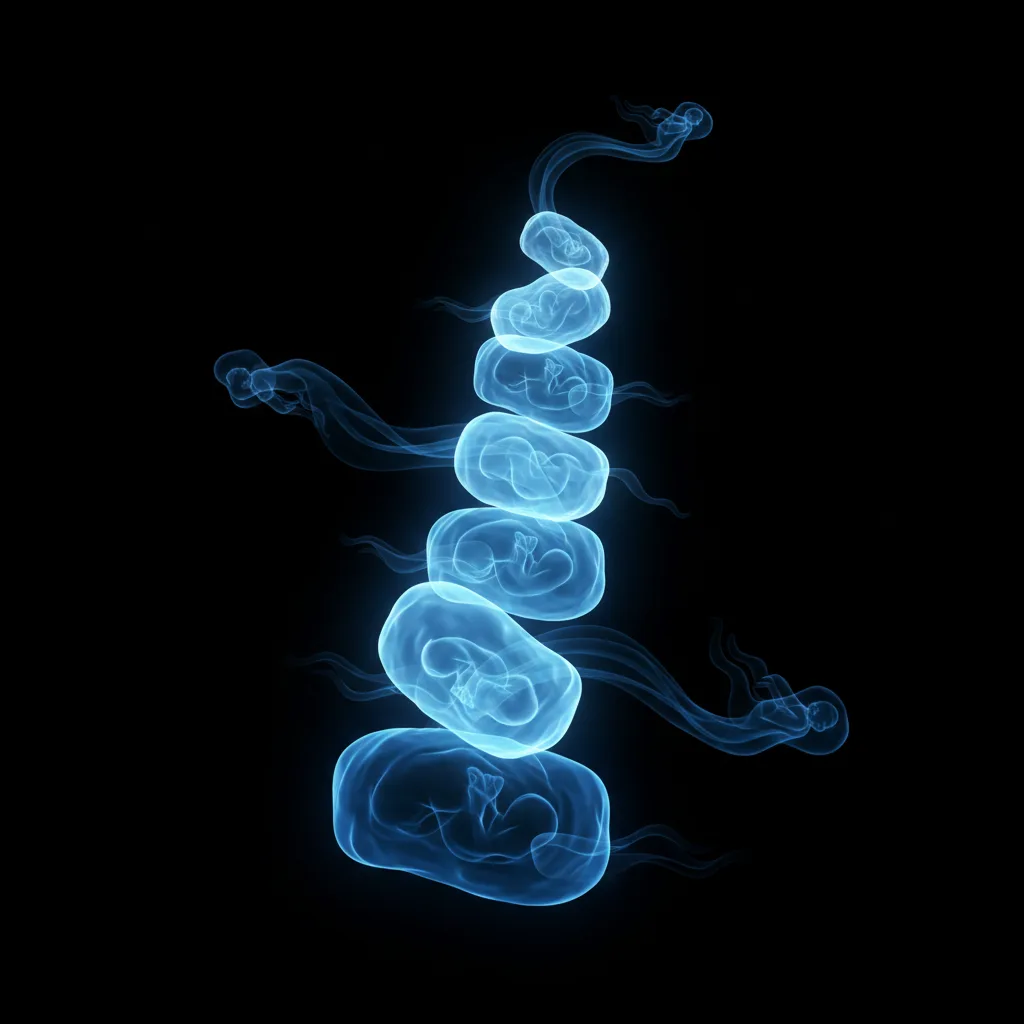
REM sleep serves as the brain's overnight therapy session. During REM, the brain replays emotionally charged memories while norepinephrine — the brain's stress chemical — is completely suppressed. This allows emotional memories to be processed and reconsolidated without the accompanying stress response. Research by Matthew Walker's team has shown that dreaming about a traumatic event during REM sleep reduces the emotional charge associated with that memory, which may explain why individuals with PTSD — who often have disrupted REM sleep — struggle to process traumatic experiences.
Sleep remains the single most potent nervous system regulation intervention available, yet it is consistently the most neglected. During sleep — particularly during slow-wave and REM stages — the brain undergoes critical maintenance processes: clearing metabolic waste through the glymphatic system, consolidating memories, processing emotional experiences, recalibrating stress hormones, and repairing cellular damage. The research is unequivocal: there is no aspect of physical or mental health that is not impaired by insufficient sleep, and no amount of other regulation practices can compensate for chronic sleep deprivation. Prioritizing sleep is not optional — it is the foundation upon which all other regulation efforts rest.
The inner critic, when examined neurologically, activates the same threat-response circuits as an external threat. Research from the University of Exeter (2017) using fMRI showed that self-critical thinking activated the amygdala and the lateral prefrontal cortex (associated with behavioral inhibition), while self-compassionate thinking activated the insula (interoception) and the ventral striatum (reward). This suggests that self-criticism keeps the nervous system in a defensive posture, while self-compassion promotes safety and regulation.
This finding aligns with a broader pattern in psychophysiology research: the body's regulatory systems are not fixed but remarkably plastic. When provided with consistent, appropriate inputs — whether through breathwork, movement, social connection, or nutritional support — the nervous system can recalibrate toward more adaptive baseline states. The key word here is 'consistent.' Single interventions produce temporary shifts; sustained practice produces lasting change. Research from the University of Wisconsin's Center for Healthy Minds has demonstrated that as little as two weeks of daily practice can produce detectable changes in neural connectivity, with more substantial structural changes emerging after eight to twelve weeks.
The Sleep Science Foundation
Sleep debt is not a simple bank account. While acute sleep loss (one or two bad nights) can be partially recovered with extra sleep, chronic sleep restriction creates cumulative cognitive deficits that cannot be fully reversed by a single weekend of catch-up sleep. A study in the American Journal of Physiology (2010) found that after two weeks of sleeping 6 hours per night, cognitive performance was equivalent to someone who had been awake for 48 hours straight — yet participants rated their sleepiness as only mildly elevated, suggesting dangerous subjective adaptation to impairment.
The glymphatic system, discovered in 2012 by Maiken Nedergaard's lab at the University of Rochester, represents a major breakthrough in understanding why sleep is biologically necessary. During deep sleep, glial cells shrink by up to 60%, expanding the interstitial space between brain cells and allowing cerebrospinal fluid to flush out metabolic waste products — including beta-amyloid, the protein associated with Alzheimer's disease. This cleaning process is almost entirely inactive during wakefulness, making deep sleep literally essential for brain health.
It's also worth noting that individual variation in response to different regulation techniques is substantial and influenced by factors including genetics, trauma history, attachment style, and current nervous system state. A practice that is deeply calming for one person (such as meditation) may be destabilizing for another (particularly individuals with trauma who may find stillness activating). This is not a failure of the practice or the practitioner — it's a reflection of genuine neurobiological difference. The most effective approach is experimental: try a technique for two to four weeks, track your subjective response, and adjust accordingly.
Interoception — the ability to sense internal bodily signals — is increasingly recognized as foundational to emotional regulation. Research published in Biological Psychology (2019) found that individuals with poor interoceptive accuracy were more likely to experience anxiety disorders and had greater difficulty identifying and labeling their emotions. This suggests that learning to sense your own heartbeat, breathing patterns, and gut signals may be as important as any cognitive therapy technique.
Sleep is not a luxury. It is the single most effective thing you can do for your brain and body every 24 hours.
How Your Brain Processes Sleep
Sleep architecture follows a predictable pattern of approximately 90-minute cycles, each containing progressively different ratios of non-REM and REM sleep. During the first half of the night, slow-wave sleep (stages N3) dominates — this is when growth hormone is released, tissues are repaired, and the glymphatic system clears metabolic waste from the brain. The second half of the night is REM-heavy, devoted primarily to emotional processing, memory consolidation, and creative problem-solving.
The bidirectional relationship between sleep and the immune system is mediated by cytokines — signaling molecules that promote inflammation and immune activation. When you're fighting an infection, pro-inflammatory cytokines like interleukin-1 and tumor necrosis factor increase slow-wave sleep, which is why you feel so sleepy when sick. Conversely, chronic sleep deprivation increases pro-inflammatory cytokine levels even in the absence of infection, creating a state of low-grade systemic inflammation associated with cardiovascular disease, diabetes, and depression.
It's worth pausing here to address a common misconception. Many people interpret the science of nervous system regulation as suggesting that we should aim for a permanently calm, parasympathetic-dominant state. This is neither possible nor desirable. The sympathetic nervous system exists for excellent reasons: it mobilizes energy for physical activity, sharpens attention during demanding tasks, and enables rapid response to genuine threats. The goal of regulation is not to suppress sympathetic activation but to ensure that the system returns to baseline after activation — and that the activation itself is proportionate to the actual demands of the situation.
Interoception — the ability to sense internal bodily signals — is increasingly recognized as foundational to emotional regulation. Research published in Biological Psychology (2019) found that individuals with poor interoceptive accuracy were more likely to experience anxiety disorders and had greater difficulty identifying and labeling their emotions. This suggests that learning to sense your own heartbeat, breathing patterns, and gut signals may be as important as any cognitive therapy technique.
The Circadian Connection
Sleep spindles — brief bursts of neural oscillation during stage N2 sleep — are increasingly recognized as critical for memory consolidation. Research from the University of California (2019) demonstrated that sleep spindle density predicted next-day learning capacity. Older adults show reduced spindle activity, which may partially explain age-related memory decline. Interestingly, targeted auditory stimulation during sleep can enhance spindle activity and improve subsequent memory performance.
Sleep debt is not a simple bank account. While acute sleep loss (one or two bad nights) can be partially recovered with extra sleep, chronic sleep restriction creates cumulative cognitive deficits that cannot be fully reversed by a single weekend of catch-up sleep. A study in the American Journal of Physiology (2010) found that after two weeks of sleeping 6 hours per night, cognitive performance was equivalent to someone who had been awake for 48 hours straight — yet participants rated their sleepiness as only mildly elevated, suggesting dangerous subjective adaptation to impairment.
The social dimension of regulation cannot be overstated. Humans are fundamentally social regulators — our nervous systems evolved in the context of close-knit social groups where safety was a collective, not individual, achievement. Research from the University of Virginia has demonstrated that holding a loved one's hand during a mildly stressful task reduces both subjective anxiety and neural threat responses (as measured by fMRI) compared to holding a stranger's hand or no hand at all. This effect is dose-dependent, with relationship quality predicting the magnitude of the calming effect. In an era of increasing social isolation, this research underscores the biological necessity of meaningful human connection.
A 2017 meta-analysis published in Sleep Medicine Reviews analyzed 49 studies and found that cognitive behavioral therapy for insomnia (CBT-I) produced outcomes equal to or better than sleep medication for chronic insomnia — and the effects were more durable. Unlike medication, which loses efficacy over time and carries dependency risks, CBT-I addresses the underlying behavioral and cognitive patterns that perpetuate insomnia.
The work-from-home environment eliminates natural regulation cues that the nervous system relies on: the physical separation of home and work spaces, the commute as a transitional ritual, incidental social co-regulation with colleagues, and the variety of sensory environments throughout the day. Research from Microsoft's Human Factors Lab (2021) found that back-to-back video meetings without breaks caused stress-related beta wave activity to build steadily throughout the day, while brief breaks between meetings allowed for neurological recovery.
What Research Tells Us About Why You Dream
REM sleep serves as the brain's overnight therapy session. During REM, the brain replays emotionally charged memories while norepinephrine — the brain's stress chemical — is completely suppressed. This allows emotional memories to be processed and reconsolidated without the accompanying stress response. Research by Matthew Walker's team has shown that dreaming about a traumatic event during REM sleep reduces the emotional charge associated with that memory, which may explain why individuals with PTSD — who often have disrupted REM sleep — struggle to process traumatic experiences.
The bidirectional relationship between sleep and the immune system is mediated by cytokines — signaling molecules that promote inflammation and immune activation. When you're fighting an infection, pro-inflammatory cytokines like interleukin-1 and tumor necrosis factor increase slow-wave sleep, which is why you feel so sleepy when sick. Conversely, chronic sleep deprivation increases pro-inflammatory cytokine levels even in the absence of infection, creating a state of low-grade systemic inflammation associated with cardiovascular disease, diabetes, and depression.
The economic cost of chronic stress and its associated health consequences is staggering. The American Institute of Stress estimates that workplace stress alone costs the U.S. economy over $300 billion annually in absenteeism, turnover, diminished productivity, and medical costs. The World Health Organization has called stress the 'health epidemic of the 21st century.' Yet despite this recognition, most healthcare systems remain oriented toward treating the downstream consequences of chronic stress (cardiovascular disease, mental illness, immune dysfunction) rather than addressing the upstream cause: nervous system dysregulation itself.
AI anxiety — the stress and existential uncertainty triggered by rapid advances in artificial intelligence — represents a novel form of anticipatory threat that activates the nervous system's uncertainty-detection circuits. The anterior insula and dorsolateral prefrontal cortex, brain regions involved in uncertainty processing, show heightened activation during ambiguous threat scenarios. Research from the American Psychological Association's 2023 Stress in America survey found that 38% of adults reported anxiety about AI's impact on their job security, with the highest rates among workers aged 25-44.
The freeze response, often overlooked in popular discussions of stress, represents the nervous system's last-resort protective mechanism. When fight or flight are not viable options, the dorsal vagal complex triggers a shutdown response — heart rate drops, muscles go limp, and consciousness may become foggy or dissociated. This response evolved to minimize pain during inescapable threat but can become chronically activated in individuals with complex trauma histories.
If you can only change one thing about your sleep habits, make it your wake time. A consistent wake time — even on weekends — is more important than a consistent bedtime, because the wake time anchors your entire circadian rhythm.
The Hormonal Cascade
Sleep spindles — brief bursts of neural oscillation during stage N2 sleep — are increasingly recognized as critical for memory consolidation. Research from the University of California (2019) demonstrated that sleep spindle density predicted next-day learning capacity. Older adults show reduced spindle activity, which may partially explain age-related memory decline. Interestingly, targeted auditory stimulation during sleep can enhance spindle activity and improve subsequent memory performance.
Sleep debt is not a simple bank account. While acute sleep loss (one or two bad nights) can be partially recovered with extra sleep, chronic sleep restriction creates cumulative cognitive deficits that cannot be fully reversed by a single weekend of catch-up sleep. A study in the American Journal of Physiology (2010) found that after two weeks of sleeping 6 hours per night, cognitive performance was equivalent to someone who had been awake for 48 hours straight — yet participants rated their sleepiness as only mildly elevated, suggesting dangerous subjective adaptation to impairment.
Sleep remains the single most potent nervous system regulation intervention available, yet it is consistently the most neglected. During sleep — particularly during slow-wave and REM stages — the brain undergoes critical maintenance processes: clearing metabolic waste through the glymphatic system, consolidating memories, processing emotional experiences, recalibrating stress hormones, and repairing cellular damage. The research is unequivocal: there is no aspect of physical or mental health that is not impaired by insufficient sleep, and no amount of other regulation practices can compensate for chronic sleep deprivation. Prioritizing sleep is not optional — it is the foundation upon which all other regulation efforts rest.
Notification anxiety represents a conditioned stress response. Research from the University of Sussex (2016) found that smartphone notifications, even when unread, produced significant increases in inattention, hyperactivity, and distraction symptoms. The mere awareness that notifications might arrive kept participants in a state of low-level vigilance — a sympathetic nervous system activation pattern that compounds over hundreds of daily interruptions.
Impact on Cognitive Function
Napping science reveals a nuanced picture. A NASA study on military pilots and astronauts found that a 26-minute nap improved performance by 34% and alertness by 54%. However, naps longer than 30 minutes carry the risk of sleep inertia — grogginess caused by waking from deeper sleep stages. The optimal nap length depends on the goal: 10-20 minutes for alertness, 60 minutes for cognitive memory processing (with potential grogginess), or 90 minutes for a full sleep cycle including REM (mood and creativity benefits).
The relationship between sleep and emotional regulation is bidirectional and potent. Research published in Current Biology (2007) showed that after one night of total sleep deprivation, the amygdala showed a 60% increase in reactivity to negative emotional stimuli, while its functional connectivity with the prefrontal cortex — the brain's rational regulatory center — was significantly reduced. In essence, a single night of poor sleep creates a brain that is more emotionally reactive and less able to regulate those reactions.
The relationship between inflammation and mood is one of the most significant discoveries in psychiatry in the past two decades. Research has demonstrated that approximately one-third of patients with treatment-resistant depression show elevated inflammatory markers, and that anti-inflammatory interventions (including omega-3 supplementation, exercise, and anti-inflammatory diets) can produce antidepressant effects in this subgroup. This 'inflammatory' subtype of depression is characterized by fatigue, psychomotor slowing, and increased sleep — symptoms that differ from the classic 'low serotonin' presentation of decreased appetite, insomnia, and agitation. Recognizing this distinction has important implications for treatment selection.
Nature therapy (shinrin-yoku, or forest bathing) has been studied extensively in Japan since the 1980s. Research published in Environmental Health and Preventive Medicine (2010) found that spending two hours in a forest environment reduced cortisol levels by 16%, blood pressure by 2%, and sympathetic nerve activity by 4% compared to equivalent time in an urban environment. The mechanisms include phytoncides (antimicrobial compounds released by trees that modulate immune function), reduced sensory overstimulation, and the restorative effects of fractal patterns in natural landscapes.
Notification anxiety represents a conditioned stress response. Research from the University of Sussex (2016) found that smartphone notifications, even when unread, produced significant increases in inattention, hyperactivity, and distraction symptoms. The mere awareness that notifications might arrive kept participants in a state of low-level vigilance — a sympathetic nervous system activation pattern that compounds over hundreds of daily interruptions.
The Immune System Connection
Matthew Walker's research at UC Berkeley has demonstrated that even moderate sleep deprivation (sleeping 6 hours instead of 8 for just one week) produces measurable impairments in immune function, with natural killer cell activity dropping by 70%. This finding has significant implications for cancer risk, as natural killer cells are a primary defense against tumor development. Walker's lab also showed that sleep-deprived individuals produce fewer antibodies in response to vaccination.
Sleep spindles — brief bursts of neural oscillation during stage N2 sleep — are increasingly recognized as critical for memory consolidation. Research from the University of California (2019) demonstrated that sleep spindle density predicted next-day learning capacity. Older adults show reduced spindle activity, which may partially explain age-related memory decline. Interestingly, targeted auditory stimulation during sleep can enhance spindle activity and improve subsequent memory performance.
The relationship between inflammation and mood is one of the most significant discoveries in psychiatry in the past two decades. Research has demonstrated that approximately one-third of patients with treatment-resistant depression show elevated inflammatory markers, and that anti-inflammatory interventions (including omega-3 supplementation, exercise, and anti-inflammatory diets) can produce antidepressant effects in this subgroup. This 'inflammatory' subtype of depression is characterized by fatigue, psychomotor slowing, and increased sleep — symptoms that differ from the classic 'low serotonin' presentation of decreased appetite, insomnia, and agitation. Recognizing this distinction has important implications for treatment selection.
Nature therapy (shinrin-yoku, or forest bathing) has been studied extensively in Japan since the 1980s. Research published in Environmental Health and Preventive Medicine (2010) found that spending two hours in a forest environment reduced cortisol levels by 16%, blood pressure by 2%, and sympathetic nerve activity by 4% compared to equivalent time in an urban environment. The mechanisms include phytoncides (antimicrobial compounds released by trees that modulate immune function), reduced sensory overstimulation, and the restorative effects of fractal patterns in natural landscapes.
Sleep remains the single most potent nervous system regulation intervention available, yet it is consistently the most neglected. During sleep — particularly during slow-wave and REM stages — the brain undergoes critical maintenance processes: clearing metabolic waste through the glymphatic system, consolidating memories, processing emotional experiences, recalibrating stress hormones, and repairing cellular damage. The research is unequivocal: there is no aspect of physical or mental health that is not impaired by insufficient sleep, and no amount of other regulation practices can compensate for chronic sleep deprivation. Prioritizing sleep is not optional — it is the foundation upon which all other regulation efforts rest.
Practical Protocols That Work
REM sleep serves as the brain's overnight therapy session. During REM, the brain replays emotionally charged memories while norepinephrine — the brain's stress chemical — is completely suppressed. This allows emotional memories to be processed and reconsolidated without the accompanying stress response. Research by Matthew Walker's team has shown that dreaming about a traumatic event during REM sleep reduces the emotional charge associated with that memory, which may explain why individuals with PTSD — who often have disrupted REM sleep — struggle to process traumatic experiences.
Sleep debt is not a simple bank account. While acute sleep loss (one or two bad nights) can be partially recovered with extra sleep, chronic sleep restriction creates cumulative cognitive deficits that cannot be fully reversed by a single weekend of catch-up sleep. A study in the American Journal of Physiology (2010) found that after two weeks of sleeping 6 hours per night, cognitive performance was equivalent to someone who had been awake for 48 hours straight — yet participants rated their sleepiness as only mildly elevated, suggesting dangerous subjective adaptation to impairment.
It's worth pausing here to address a common misconception. Many people interpret the science of nervous system regulation as suggesting that we should aim for a permanently calm, parasympathetic-dominant state. This is neither possible nor desirable. The sympathetic nervous system exists for excellent reasons: it mobilizes energy for physical activity, sharpens attention during demanding tasks, and enables rapid response to genuine threats. The goal of regulation is not to suppress sympathetic activation but to ensure that the system returns to baseline after activation — and that the activation itself is proportionate to the actual demands of the situation.
Sleep remains the single most potent nervous system regulation intervention available, yet it is consistently the most neglected. During sleep — particularly during slow-wave and REM stages — the brain undergoes critical maintenance processes: clearing metabolic waste through the glymphatic system, consolidating memories, processing emotional experiences, recalibrating stress hormones, and repairing cellular damage. The research is unequivocal: there is no aspect of physical or mental health that is not impaired by insufficient sleep, and no amount of other regulation practices can compensate for chronic sleep deprivation. Prioritizing sleep is not optional — it is the foundation upon which all other regulation efforts rest.
Loneliness activates the brain's threat-detection circuitry. A landmark study published in Trends in Cognitive Sciences (2015) by John Cacioppo demonstrated that chronic loneliness produces a hypervigilance to social threat — lonely individuals show increased amygdala reactivity to negative social cues and reduced activity in the ventral striatum in response to positive social cues. This creates a self-reinforcing cycle: loneliness makes the brain more vigilant to rejection, which makes social interaction feel more threatening, which increases avoidance and isolation.
Sources & Further Reading
- Jones, S.E., et al. (2019). Genome-wide association analyses of chronotype. Nature Communications, 10, 343.
- Xie, L., et al. (2013). Sleep drives metabolite clearance from the adult brain. Science, 342(6156), 373-377.
- Nedergaard, M., & Goldman, S.A. (2020). Glymphatic failure as a final common pathway to dementia. Science, 370(6512), 50-56.
- Yoo, S.S., et al. (2007). The human emotional brain without sleep — a prefrontal amygdala disconnect. Current Biology, 17(20), R877-R878.
- Irwin, M.R. (2015). Why sleep is important for health: A psychoneuroimmunology perspective. Annual Review of Psychology, 66, 143-172.