Exercise for Anxiety: What 50 Years of Research Actually Shows
The evidence is overwhelming but nuanced — here's what works and what doesn't.
Defining the Problem
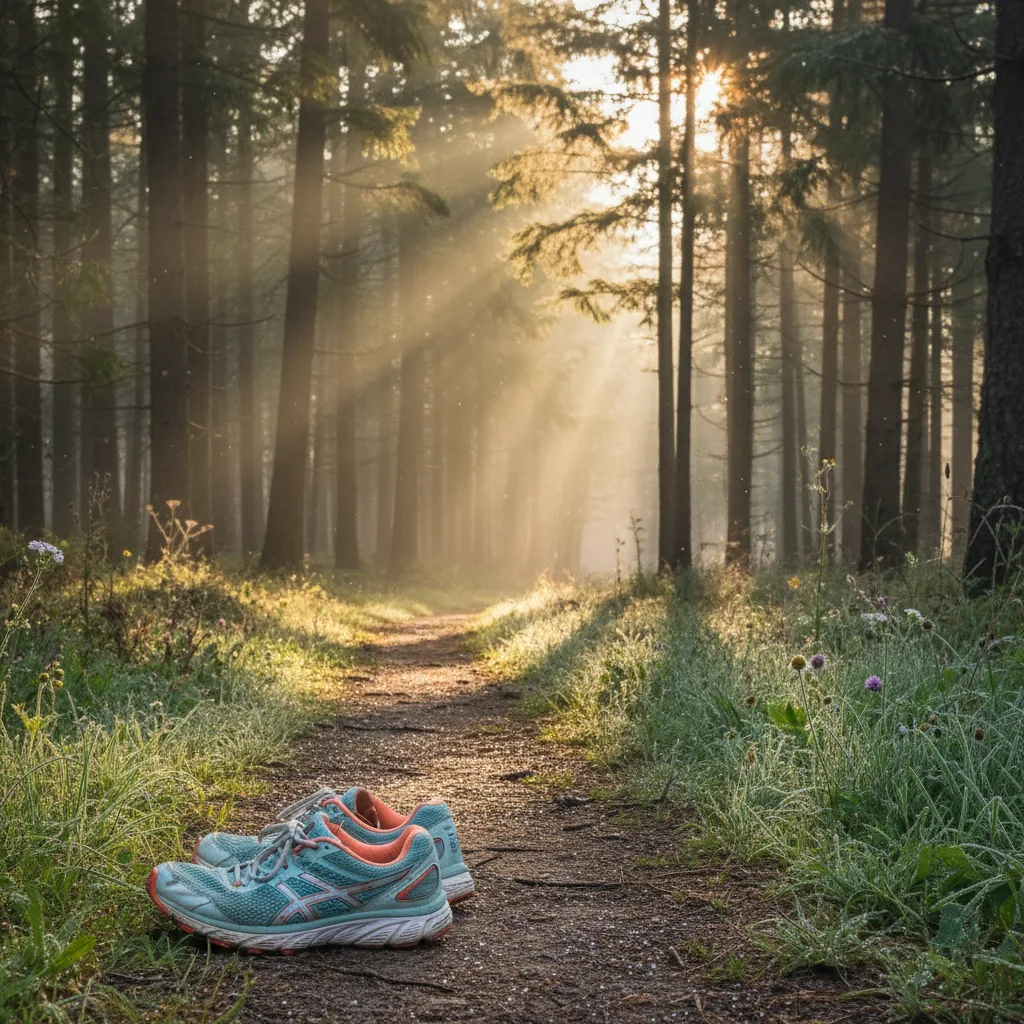
Nature therapy (shinrin-yoku, or forest bathing) has been studied extensively in Japan since the 1980s. Research published in Environmental Health and Preventive Medicine (2010) found that spending two hours in a forest environment reduced cortisol levels by 16%, blood pressure by 2%, and sympathetic nerve activity by 4% compared to equivalent time in an urban environment. The mechanisms include phytoncides (antimicrobial compounds released by trees that modulate immune function), reduced sensory overstimulation, and the restorative effects of fractal patterns in natural landscapes.
Swimming combines multiple nervous system regulation mechanisms: the diving reflex triggered by water contact, hydrostatic pressure that provides gentle proprioceptive input across the entire body, rhythmic bilateral movement that activates cross-hemisphere brain coordination, and the meditative quality of regulated breathing. A 2019 systematic review in the British Journal of Sports Medicine found that swimming was associated with a 28% lower risk of all-cause mortality compared to sedentary individuals — a larger reduction than walking or cycling.
A nuanced understanding of the stress response includes recognizing that not all stress is created equal. Acute, time-limited stress followed by recovery (eustress) actually strengthens the nervous system's regulatory capacity through a process called hormesis — similar to how exercise stresses muscles to make them stronger. The problem arises with chronic, unrelenting stress that prevents recovery, or with traumatic stress that overwhelms the system's capacity to process. This distinction matters for practical decision-making: avoiding all stress is neither possible nor beneficial. The goal is to ensure adequate recovery between periods of activation and to avoid sustained activation without relief.
Exercise reduces anxiety through mechanisms that go far beyond the popular endorphin explanation. Research published in Cell Metabolism (2014) identified a key molecule — kynurenine — that accumulates during stress and crosses the blood-brain barrier, where it produces neuroinflammation and depression-like symptoms. Skeletal muscle, when activated through exercise, produces an enzyme that converts kynurenine into a form that cannot enter the brain. This finding provides a direct molecular explanation for exercise's antidepressant effects.
The Neuroscience of the Response
Dance therapy engages the nervous system differently from structured exercise because it involves spontaneous, self-directed movement without performance pressure. Research from the University of Hertfordshire (2019) found that free-form dance for 30 minutes produced greater reductions in cortisol and greater increases in serotonin than equivalent-intensity structured exercise. The researchers attributed this to the combination of rhythmic movement, musical engagement, and the absence of performance evaluation — essentially creating a safe space for the body to move without the sympathetic activation that often accompanies exercise in competitive or evaluative contexts.
Yoga's effects on the nervous system are mediated primarily through two mechanisms: controlled breathing (pranayama) and sustained postures that activate the proprioceptive system. A 2017 study published in the Journal of Alternative and Complementary Medicine found that 12 weeks of regular yoga practice increased GABA levels in the thalamus by 27% — GABA being the brain's primary inhibitory neurotransmitter and the same target as benzodiazepine medications. This suggests that yoga produces genuine pharmacological effects through behavioral means.
The intersection of nervous system science and traditional healing practices is an area of growing academic interest. Many traditional practices — including yoga, tai chi, chanting, drumming, sweat lodges, and cold water immersion — have been practiced for centuries or millennia and are now being validated by modern neuroscience. A 2018 review in the Annals of the New York Academy of Sciences found that traditional mind-body practices consistently improved vagal tone, reduced inflammatory markers, and enhanced emotional regulation — often through mechanisms that their original practitioners could not have articulated in modern scientific terms but clearly understood experientially.
Melatonin is widely misunderstood. It is not a sedative — it is a chronobiotic signal that tells the body it's time to prepare for sleep. Exogenous melatonin supplements are most effective for circadian rhythm disorders (jet lag, shift work) rather than general insomnia. Research from MIT suggests that most commercial melatonin supplements contain doses 3-10 times higher than what's physiologically effective (0.3-0.5mg vs. the typical 3-10mg sold in stores), and higher doses can actually cause next-day grogginess and disrupt natural melatonin production.
The nervous system doesn't care about your to-do list. It cares about one thing: are you safe right now?
How Your Body Experiences It
Dance therapy engages the nervous system differently from structured exercise because it involves spontaneous, self-directed movement without performance pressure. Research from the University of Hertfordshire (2019) found that free-form dance for 30 minutes produced greater reductions in cortisol and greater increases in serotonin than equivalent-intensity structured exercise. The researchers attributed this to the combination of rhythmic movement, musical engagement, and the absence of performance evaluation — essentially creating a safe space for the body to move without the sympathetic activation that often accompanies exercise in competitive or evaluative contexts.
Yoga's effects on the nervous system are mediated primarily through two mechanisms: controlled breathing (pranayama) and sustained postures that activate the proprioceptive system. A 2017 study published in the Journal of Alternative and Complementary Medicine found that 12 weeks of regular yoga practice increased GABA levels in the thalamus by 27% — GABA being the brain's primary inhibitory neurotransmitter and the same target as benzodiazepine medications. This suggests that yoga produces genuine pharmacological effects through behavioral means.
A growing body of research suggests that the most effective interventions are those that combine 'top-down' and 'bottom-up' approaches. Top-down interventions (cognitive therapy, psychoeducation, mindfulness) work through the prefrontal cortex to modulate subcortical stress responses. Bottom-up interventions (breathwork, movement, cold exposure, vagal stimulation) work directly on the autonomic nervous system, bypassing cognitive processing. Research from the Trauma Center at JRI in Boston has shown that individuals with severe dysregulation often benefit most from bottom-up approaches initially, with cognitive interventions becoming more effective once the nervous system has stabilized sufficiently to support reflective thinking.
Decision fatigue is not merely a colloquial complaint but a well-documented cognitive phenomenon. A famous study of Israeli parole judges published in the Proceedings of the National Academy of Sciences (2011) found that the probability of a favorable ruling dropped from about 65% at the start of a session to nearly 0% just before a break — then reset to 65% after the break. This research demonstrates that decision-making depletes a finite cognitive resource, and that the depleted brain defaults to the path of least resistance.
Social comparison on Instagram and similar platforms triggers a specific neural response. Research using fMRI at the University of California (2020) showed that viewing idealized images of peers activated the ventral striatum (reward processing) simultaneously with the anterior cingulate cortex (social pain processing), creating a unique neurological experience of simultaneous desire and inadequacy. This dual activation explains why social media can feel simultaneously compelling and distressing.
The Brain Circuits Involved
Swimming combines multiple nervous system regulation mechanisms: the diving reflex triggered by water contact, hydrostatic pressure that provides gentle proprioceptive input across the entire body, rhythmic bilateral movement that activates cross-hemisphere brain coordination, and the meditative quality of regulated breathing. A 2019 systematic review in the British Journal of Sports Medicine found that swimming was associated with a 28% lower risk of all-cause mortality compared to sedentary individuals — a larger reduction than walking or cycling.
Yoga's effects on the nervous system are mediated primarily through two mechanisms: controlled breathing (pranayama) and sustained postures that activate the proprioceptive system. A 2017 study published in the Journal of Alternative and Complementary Medicine found that 12 weeks of regular yoga practice increased GABA levels in the thalamus by 27% — GABA being the brain's primary inhibitory neurotransmitter and the same target as benzodiazepine medications. This suggests that yoga produces genuine pharmacological effects through behavioral means.
It's worth pausing here to address a common misconception. Many people interpret the science of nervous system regulation as suggesting that we should aim for a permanently calm, parasympathetic-dominant state. This is neither possible nor desirable. The sympathetic nervous system exists for excellent reasons: it mobilizes energy for physical activity, sharpens attention during demanding tasks, and enables rapid response to genuine threats. The goal of regulation is not to suppress sympathetic activation but to ensure that the system returns to baseline after activation — and that the activation itself is proportionate to the actual demands of the situation.
Neuroplasticity research has demonstrated that the brain's stress circuits are not fixed. A 2018 study in Nature Neuroscience showed that even adults who had experienced significant childhood adversity could develop new neural pathways through consistent regulation practices. The prefrontal cortex — responsible for executive function and emotional regulation — showed measurable thickening after just eight weeks of mindfulness-based stress reduction (MBSR), as documented by researchers at Harvard Medical School.
AI anxiety — the stress and existential uncertainty triggered by rapid advances in artificial intelligence — represents a novel form of anticipatory threat that activates the nervous system's uncertainty-detection circuits. The anterior insula and dorsolateral prefrontal cortex, brain regions involved in uncertainty processing, show heightened activation during ambiguous threat scenarios. Research from the American Psychological Association's 2023 Stress in America survey found that 38% of adults reported anxiety about AI's impact on their job security, with the highest rates among workers aged 25-44.
Risk Factors and Vulnerability
Cold exposure triggers the diving reflex — an evolutionarily conserved response that rapidly activates the parasympathetic nervous system. When cold water contacts the face, the trigeminal nerve sends signals to the vagus nerve, producing immediate heart rate reduction and a shift toward parasympathetic dominance. Research from Radboud University Medical Center (2014), led by Wim Hof collaborator Matthijs Kox, demonstrated that cold exposure training combined with breathwork enabled participants to voluntarily influence their immune response — a finding previously thought impossible.
Dance therapy engages the nervous system differently from structured exercise because it involves spontaneous, self-directed movement without performance pressure. Research from the University of Hertfordshire (2019) found that free-form dance for 30 minutes produced greater reductions in cortisol and greater increases in serotonin than equivalent-intensity structured exercise. The researchers attributed this to the combination of rhythmic movement, musical engagement, and the absence of performance evaluation — essentially creating a safe space for the body to move without the sympathetic activation that often accompanies exercise in competitive or evaluative contexts.
It's worth pausing here to address a common misconception. Many people interpret the science of nervous system regulation as suggesting that we should aim for a permanently calm, parasympathetic-dominant state. This is neither possible nor desirable. The sympathetic nervous system exists for excellent reasons: it mobilizes energy for physical activity, sharpens attention during demanding tasks, and enables rapid response to genuine threats. The goal of regulation is not to suppress sympathetic activation but to ensure that the system returns to baseline after activation — and that the activation itself is proportionate to the actual demands of the situation.
What makes this area of research particularly compelling is the convergence of evidence from multiple disciplines. Neuroscientists, immunologists, endocrinologists, and psychologists are all arriving at the same conclusion from different angles: chronic stress is not merely a psychological experience but a whole-body physiological state with measurable consequences across every organ system. This interdisciplinary consensus represents a significant departure from the historical tendency to treat mental and physical health as separate domains. The implications for clinical practice are profound — effective treatment must address both the psychological and physiological dimensions of dysregulation.
If traditional exercise feels dysregulating (increased anxiety, dissociation, or emotional flooding), try slower, gentler practices first. Trauma survivors often benefit from starting with yoga, tai chi, or walking before progressing to higher-intensity movement.
The Role of Chronic Stress
Swimming combines multiple nervous system regulation mechanisms: the diving reflex triggered by water contact, hydrostatic pressure that provides gentle proprioceptive input across the entire body, rhythmic bilateral movement that activates cross-hemisphere brain coordination, and the meditative quality of regulated breathing. A 2019 systematic review in the British Journal of Sports Medicine found that swimming was associated with a 28% lower risk of all-cause mortality compared to sedentary individuals — a larger reduction than walking or cycling.
The inflammation-stress connection operates through the nuclear factor kappa B (NF-kB) pathway. Psychological stress activates NF-kB, which triggers the production of pro-inflammatory cytokines. These cytokines cross the blood-brain barrier and activate microglial cells (the brain's immune cells), producing neuroinflammation that manifests as fatigue, cognitive fog, anhedonia, and increased pain sensitivity. A 2017 meta-analysis in Molecular Psychiatry found that stress-management interventions — including yoga, meditation, and tai chi — reduced NF-kB activity and downstream inflammatory markers.
One of the most underappreciated aspects of this research is the role of safety. The nervous system does not regulate in response to commands or willpower — it regulates in response to cues of safety. This is a fundamental insight from polyvagal theory: the ventral vagal system (which supports calm alertness and social engagement) activates only when the nervous system detects sufficient safety signals. These signals include prosodic voice patterns, warm facial expressions, physical touch, rhythmic movement, and predictable environments. Understanding this helps explain why some people cannot simply 'relax on command' — their nervous system has not received adequate safety cues to permit relaxation.
The vagus nerve, the longest cranial nerve in the body, serves as the primary conduit for parasympathetic signals. Running from the brainstem through the neck, chest, and abdomen, it innervates the heart, lungs, and digestive tract. When the vagus nerve fires, heart rate decreases, breathing deepens, digestion activates, and inflammatory markers drop. This is why vagal stimulation techniques have become a cornerstone of nervous system regulation practice.
Behavioral Patterns That Make It Worse
Walking — particularly in natural environments — activates the parasympathetic nervous system through a mechanism researchers call 'soft fascination.' Urban environments demand directed attention (watching for traffic, navigating crowds), which depletes cognitive resources. Natural environments provide indirect attention stimuli (rustling leaves, flowing water, birdsong) that engage the brain without taxing executive function. A Stanford study published in Proceedings of the National Academy of Sciences (2015) found that a 90-minute nature walk reduced activity in the subgenual prefrontal cortex, a region associated with rumination.
Swimming combines multiple nervous system regulation mechanisms: the diving reflex triggered by water contact, hydrostatic pressure that provides gentle proprioceptive input across the entire body, rhythmic bilateral movement that activates cross-hemisphere brain coordination, and the meditative quality of regulated breathing. A 2019 systematic review in the British Journal of Sports Medicine found that swimming was associated with a 28% lower risk of all-cause mortality compared to sedentary individuals — a larger reduction than walking or cycling.
A nuanced understanding of the stress response includes recognizing that not all stress is created equal. Acute, time-limited stress followed by recovery (eustress) actually strengthens the nervous system's regulatory capacity through a process called hormesis — similar to how exercise stresses muscles to make them stronger. The problem arises with chronic, unrelenting stress that prevents recovery, or with traumatic stress that overwhelms the system's capacity to process. This distinction matters for practical decision-making: avoiding all stress is neither possible nor beneficial. The goal is to ensure adequate recovery between periods of activation and to avoid sustained activation without relief.
The relationship between the mind and body in stress processing is best understood not as a one-way street but as a continuous feedback loop. Psychological stress produces physical symptoms (muscle tension, digestive disruption, cardiovascular changes), and those physical symptoms, in turn, generate psychological distress (anxiety about health, frustration with chronic symptoms, social withdrawal due to fatigue). Breaking this cycle requires intervention at the physical level, not just the cognitive level. This is why body-based approaches — breathwork, movement, cold exposure, and somatic practices — often succeed where purely cognitive approaches plateau.
Evidence-Based Interventions
The inflammation-stress connection operates through the nuclear factor kappa B (NF-kB) pathway. Psychological stress activates NF-kB, which triggers the production of pro-inflammatory cytokines. These cytokines cross the blood-brain barrier and activate microglial cells (the brain's immune cells), producing neuroinflammation that manifests as fatigue, cognitive fog, anhedonia, and increased pain sensitivity. A 2017 meta-analysis in Molecular Psychiatry found that stress-management interventions — including yoga, meditation, and tai chi — reduced NF-kB activity and downstream inflammatory markers.
Fascia — the continuous web of connective tissue that surrounds every muscle, bone, nerve, and organ — is increasingly recognized as a sensory organ in its own right. Research from the Fascia Research Congress has demonstrated that fascia contains more proprioceptive nerve endings than muscle tissue itself. When fascia becomes restricted through chronic tension, injury, or sedentary behavior, it sends persistent nociceptive (pain) signals to the central nervous system, maintaining a low-level stress response even in the absence of psychological stressors.
Recent advances in wearable technology have made it possible for individuals to track their own nervous system state in real time. Devices measuring HRV, electrodermal activity (skin conductance), and continuous heart rate provide biofeedback that was previously available only in clinical settings. Research from the University of Zurich (2020) found that HRV biofeedback training — where individuals learn to increase their HRV in real time using visual or auditory feedback — produced significant improvements in anxiety, depression, and stress resilience that were maintained at six-month follow-up. While these tools are not replacements for professional care, they democratize access to physiological self-awareness.
The adenosine model of sleep pressure provides a clear mechanistic explanation for why we feel sleepy. Throughout waking hours, the neurotransmitter adenosine accumulates in the brain as a byproduct of neural activity. Adenosine binds to receptors that progressively inhibit arousal-promoting neurons and activate sleep-promoting ones. Caffeine works precisely by blocking adenosine receptors — it doesn't reduce sleepiness so much as mask the signal. This is why caffeine crashes feel so severe: when caffeine's blocking effect wears off, all the accumulated adenosine floods the receptors at once.
A 2017 meta-analysis published in Sleep Medicine Reviews analyzed 49 studies and found that cognitive behavioral therapy for insomnia (CBT-I) produced outcomes equal to or better than sleep medication for chronic insomnia — and the effects were more durable. Unlike medication, which loses efficacy over time and carries dependency risks, CBT-I addresses the underlying behavioral and cognitive patterns that perpetuate insomnia.
The Body-Based Approach
Dance therapy engages the nervous system differently from structured exercise because it involves spontaneous, self-directed movement without performance pressure. Research from the University of Hertfordshire (2019) found that free-form dance for 30 minutes produced greater reductions in cortisol and greater increases in serotonin than equivalent-intensity structured exercise. The researchers attributed this to the combination of rhythmic movement, musical engagement, and the absence of performance evaluation — essentially creating a safe space for the body to move without the sympathetic activation that often accompanies exercise in competitive or evaluative contexts.
Therapeutic tremoring — the body's natural mechanism for discharging accumulated stress energy — was first systematically studied by David Berceli, who developed Tension and Trauma Releasing Exercises (TRE). The tremoring mechanism originates in the psoas muscle, the deepest hip flexor, which contracts during the fight-or-flight response. When this muscle is deliberately fatigued and then allowed to relax, it spontaneously produces tremors that propagate through the body, releasing stored muscular tension. Research published in the Journal of Traumatic Stress (2016) found that TRE practice significantly reduced PTSD symptoms in military veterans.
A nuanced understanding of the stress response includes recognizing that not all stress is created equal. Acute, time-limited stress followed by recovery (eustress) actually strengthens the nervous system's regulatory capacity through a process called hormesis — similar to how exercise stresses muscles to make them stronger. The problem arises with chronic, unrelenting stress that prevents recovery, or with traumatic stress that overwhelms the system's capacity to process. This distinction matters for practical decision-making: avoiding all stress is neither possible nor beneficial. The goal is to ensure adequate recovery between periods of activation and to avoid sustained activation without relief.
This finding aligns with a broader pattern in psychophysiology research: the body's regulatory systems are not fixed but remarkably plastic. When provided with consistent, appropriate inputs — whether through breathwork, movement, social connection, or nutritional support — the nervous system can recalibrate toward more adaptive baseline states. The key word here is 'consistent.' Single interventions produce temporary shifts; sustained practice produces lasting change. Research from the University of Wisconsin's Center for Healthy Minds has demonstrated that as little as two weeks of daily practice can produce detectable changes in neural connectivity, with more substantial structural changes emerging after eight to twelve weeks.
Hustle culture — the valorization of overwork as a moral virtue — functions as a systemic nervous system stressor. Research from the Stanford Graduate School of Business (2015) found that working more than 50 hours per week produced diminishing marginal returns, and that productivity at 70 hours was essentially identical to productivity at 55 hours. Beyond productivity, chronic overwork was associated with a 33% increased risk of stroke and a 13% increased risk of coronary heart disease, according to a WHO/ILO systematic review of 194 countries.
Cognitive Strategies That Work
Fascia — the continuous web of connective tissue that surrounds every muscle, bone, nerve, and organ — is increasingly recognized as a sensory organ in its own right. Research from the Fascia Research Congress has demonstrated that fascia contains more proprioceptive nerve endings than muscle tissue itself. When fascia becomes restricted through chronic tension, injury, or sedentary behavior, it sends persistent nociceptive (pain) signals to the central nervous system, maintaining a low-level stress response even in the absence of psychological stressors.
Swimming combines multiple nervous system regulation mechanisms: the diving reflex triggered by water contact, hydrostatic pressure that provides gentle proprioceptive input across the entire body, rhythmic bilateral movement that activates cross-hemisphere brain coordination, and the meditative quality of regulated breathing. A 2019 systematic review in the British Journal of Sports Medicine found that swimming was associated with a 28% lower risk of all-cause mortality compared to sedentary individuals — a larger reduction than walking or cycling.
Recent advances in wearable technology have made it possible for individuals to track their own nervous system state in real time. Devices measuring HRV, electrodermal activity (skin conductance), and continuous heart rate provide biofeedback that was previously available only in clinical settings. Research from the University of Zurich (2020) found that HRV biofeedback training — where individuals learn to increase their HRV in real time using visual or auditory feedback — produced significant improvements in anxiety, depression, and stress resilience that were maintained at six-month follow-up. While these tools are not replacements for professional care, they democratize access to physiological self-awareness.
Social comparison on Instagram and similar platforms triggers a specific neural response. Research using fMRI at the University of California (2020) showed that viewing idealized images of peers activated the ventral striatum (reward processing) simultaneously with the anterior cingulate cortex (social pain processing), creating a unique neurological experience of simultaneous desire and inadequacy. This dual activation explains why social media can feel simultaneously compelling and distressing.
Lifestyle Modifications
Dance therapy engages the nervous system differently from structured exercise because it involves spontaneous, self-directed movement without performance pressure. Research from the University of Hertfordshire (2019) found that free-form dance for 30 minutes produced greater reductions in cortisol and greater increases in serotonin than equivalent-intensity structured exercise. The researchers attributed this to the combination of rhythmic movement, musical engagement, and the absence of performance evaluation — essentially creating a safe space for the body to move without the sympathetic activation that often accompanies exercise in competitive or evaluative contexts.
Fascia — the continuous web of connective tissue that surrounds every muscle, bone, nerve, and organ — is increasingly recognized as a sensory organ in its own right. Research from the Fascia Research Congress has demonstrated that fascia contains more proprioceptive nerve endings than muscle tissue itself. When fascia becomes restricted through chronic tension, injury, or sedentary behavior, it sends persistent nociceptive (pain) signals to the central nervous system, maintaining a low-level stress response even in the absence of psychological stressors.
It's also worth noting that individual variation in response to different regulation techniques is substantial and influenced by factors including genetics, trauma history, attachment style, and current nervous system state. A practice that is deeply calming for one person (such as meditation) may be destabilizing for another (particularly individuals with trauma who may find stillness activating). This is not a failure of the practice or the practitioner — it's a reflection of genuine neurobiological difference. The most effective approach is experimental: try a technique for two to four weeks, track your subjective response, and adjust accordingly.
The work-from-home environment eliminates natural regulation cues that the nervous system relies on: the physical separation of home and work spaces, the commute as a transitional ritual, incidental social co-regulation with colleagues, and the variety of sensory environments throughout the day. Research from Microsoft's Human Factors Lab (2021) found that back-to-back video meetings without breaks caused stress-related beta wave activity to build steadily throughout the day, while brief breaks between meetings allowed for neurological recovery.
The economic cost of chronic stress and its associated health consequences is staggering. The American Institute of Stress estimates that workplace stress alone costs the U.S. economy over $300 billion annually in absenteeism, turnover, diminished productivity, and medical costs. The World Health Organization has called stress the 'health epidemic of the 21st century.' Yet despite this recognition, most healthcare systems remain oriented toward treating the downstream consequences of chronic stress (cardiovascular disease, mental illness, immune dysfunction) rather than addressing the upstream cause: nervous system dysregulation itself.
Building Long-Term Resilience
Dance therapy engages the nervous system differently from structured exercise because it involves spontaneous, self-directed movement without performance pressure. Research from the University of Hertfordshire (2019) found that free-form dance for 30 minutes produced greater reductions in cortisol and greater increases in serotonin than equivalent-intensity structured exercise. The researchers attributed this to the combination of rhythmic movement, musical engagement, and the absence of performance evaluation — essentially creating a safe space for the body to move without the sympathetic activation that often accompanies exercise in competitive or evaluative contexts.
Cold exposure triggers the diving reflex — an evolutionarily conserved response that rapidly activates the parasympathetic nervous system. When cold water contacts the face, the trigeminal nerve sends signals to the vagus nerve, producing immediate heart rate reduction and a shift toward parasympathetic dominance. Research from Radboud University Medical Center (2014), led by Wim Hof collaborator Matthijs Kox, demonstrated that cold exposure training combined with breathwork enabled participants to voluntarily influence their immune response — a finding previously thought impossible.
It's worth pausing here to address a common misconception. Many people interpret the science of nervous system regulation as suggesting that we should aim for a permanently calm, parasympathetic-dominant state. This is neither possible nor desirable. The sympathetic nervous system exists for excellent reasons: it mobilizes energy for physical activity, sharpens attention during demanding tasks, and enables rapid response to genuine threats. The goal of regulation is not to suppress sympathetic activation but to ensure that the system returns to baseline after activation — and that the activation itself is proportionate to the actual demands of the situation.
What makes this area of research particularly compelling is the convergence of evidence from multiple disciplines. Neuroscientists, immunologists, endocrinologists, and psychologists are all arriving at the same conclusion from different angles: chronic stress is not merely a psychological experience but a whole-body physiological state with measurable consequences across every organ system. This interdisciplinary consensus represents a significant departure from the historical tendency to treat mental and physical health as separate domains. The implications for clinical practice are profound — effective treatment must address both the psychological and physiological dimensions of dysregulation.
Sources & Further Reading
- Berceli, D., et al. (2016). Effects of self-induced unclassified therapeutic tremors on quality of life among military veterans. Journal of Traumatic Stress, 29(4), 1-6.
- Li, Q. (2010). Effect of forest bathing trips on human immune function. Environmental Health and Preventive Medicine, 15(1), 9-17.
- Bratman, G.N., et al. (2015). Nature experience reduces rumination and subgenual prefrontal cortex activation. Proceedings of the National Academy of Sciences, 112(28), 8567-8572.
- Agudelo, L.Z., et al. (2014). Skeletal muscle PGC-1alpha1 modulates kynurenine metabolism and mediates resilience to stress-induced depression. Cell, 159(1), 33-45.
- Kox, M., et al. (2014). Voluntary activation of the sympathetic nervous system and attenuation of the innate immune response in humans. Proceedings of the National Academy of Sciences, 111(20), 7379-7384.