CBT-I: The Gold Standard Insomnia Treatment Your Doctor Never Mentioned
Why cognitive behavioral therapy for insomnia outperforms sleeping pills in every clinical trial.
Understanding the Basics
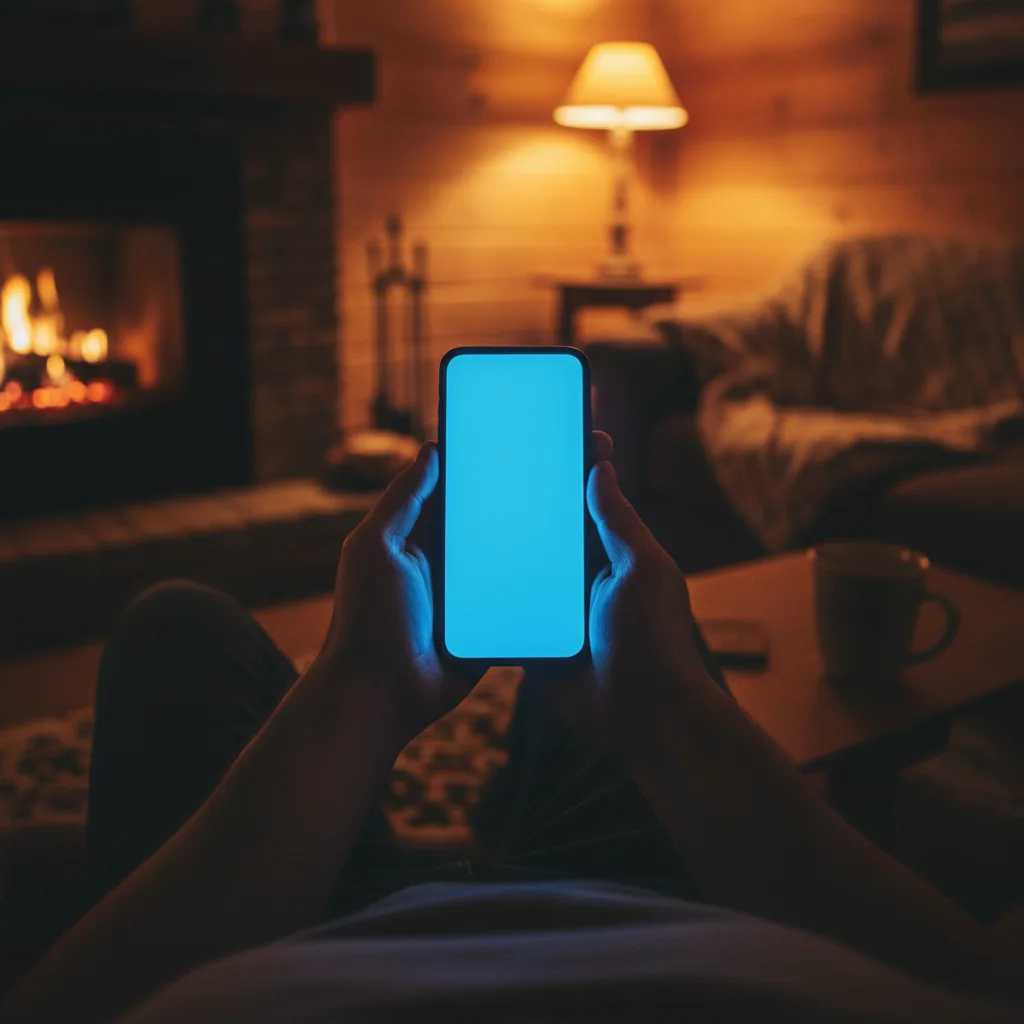
The suprachiasmatic nucleus (SCN), a tiny cluster of about 20,000 neurons in the hypothalamus, serves as the body's master clock. It coordinates circadian rhythms across every organ system based primarily on light input received through specialized retinal ganglion cells. Even brief exposure to blue-enriched light in the evening can delay the SCN's melatonin-release signal by up to 90 minutes, which is why screen use before bed has such a profound impact on sleep onset.
Sleep debt is not a simple bank account. While acute sleep loss (one or two bad nights) can be partially recovered with extra sleep, chronic sleep restriction creates cumulative cognitive deficits that cannot be fully reversed by a single weekend of catch-up sleep. A study in the American Journal of Physiology (2010) found that after two weeks of sleeping 6 hours per night, cognitive performance was equivalent to someone who had been awake for 48 hours straight — yet participants rated their sleepiness as only mildly elevated, suggesting dangerous subjective adaptation to impairment.
For those beginning to explore this territory, the sheer volume of information can itself become overwhelming — paradoxically adding another source of stress. A useful framework is to start with one practice that addresses your most prominent symptom. If your primary issue is racing thoughts, begin with breathwork. If it's physical tension, start with progressive muscle relaxation or somatic movement. If it's emotional reactivity, try a brief daily mindfulness practice. The evidence consistently shows that any single regulation practice, done consistently, produces downstream benefits across multiple domains. You don't need to do everything — you need to do one thing reliably.
Digital minimalism, as articulated by Cal Newport, is not simply about reducing screen time but about intentionally selecting technologies that support your values while eliminating those that don't. A 2020 controlled trial at the University of Bath found that participants who followed a structured digital minimalism protocol for 30 days reported sustained improvements in focus, sleep quality, and self-reported well-being at 3-month follow-up — effects that outlasted the protocol itself because participants had developed new behavioral defaults.
The Sleep Science Foundation
The relationship between sleep and emotional regulation is bidirectional and potent. Research published in Current Biology (2007) showed that after one night of total sleep deprivation, the amygdala showed a 60% increase in reactivity to negative emotional stimuli, while its functional connectivity with the prefrontal cortex — the brain's rational regulatory center — was significantly reduced. In essence, a single night of poor sleep creates a brain that is more emotionally reactive and less able to regulate those reactions.
Sleep spindles — brief bursts of neural oscillation during stage N2 sleep — are increasingly recognized as critical for memory consolidation. Research from the University of California (2019) demonstrated that sleep spindle density predicted next-day learning capacity. Older adults show reduced spindle activity, which may partially explain age-related memory decline. Interestingly, targeted auditory stimulation during sleep can enhance spindle activity and improve subsequent memory performance.
Recent advances in wearable technology have made it possible for individuals to track their own nervous system state in real time. Devices measuring HRV, electrodermal activity (skin conductance), and continuous heart rate provide biofeedback that was previously available only in clinical settings. Research from the University of Zurich (2020) found that HRV biofeedback training — where individuals learn to increase their HRV in real time using visual or auditory feedback — produced significant improvements in anxiety, depression, and stress resilience that were maintained at six-month follow-up. While these tools are not replacements for professional care, they democratize access to physiological self-awareness.
The autonomic nervous system operates largely below conscious awareness, governing heart rate, digestion, respiratory rate, pupillary response, urination, and sexual arousal. It consists of two primary branches: the sympathetic nervous system, which mobilizes the body for action, and the parasympathetic nervous system, which promotes rest, recovery, and digestion. Understanding this fundamental division is the first step toward meaningful nervous system regulation.
Anxiety is not a character flaw. It's a nervous system that learned to prioritize vigilance over rest.
How Your Brain Processes Sleep
The adenosine model of sleep pressure provides a clear mechanistic explanation for why we feel sleepy. Throughout waking hours, the neurotransmitter adenosine accumulates in the brain as a byproduct of neural activity. Adenosine binds to receptors that progressively inhibit arousal-promoting neurons and activate sleep-promoting ones. Caffeine works precisely by blocking adenosine receptors — it doesn't reduce sleepiness so much as mask the signal. This is why caffeine crashes feel so severe: when caffeine's blocking effect wears off, all the accumulated adenosine floods the receptors at once.
REM sleep serves as the brain's overnight therapy session. During REM, the brain replays emotionally charged memories while norepinephrine — the brain's stress chemical — is completely suppressed. This allows emotional memories to be processed and reconsolidated without the accompanying stress response. Research by Matthew Walker's team has shown that dreaming about a traumatic event during REM sleep reduces the emotional charge associated with that memory, which may explain why individuals with PTSD — who often have disrupted REM sleep — struggle to process traumatic experiences.
The economic cost of chronic stress and its associated health consequences is staggering. The American Institute of Stress estimates that workplace stress alone costs the U.S. economy over $300 billion annually in absenteeism, turnover, diminished productivity, and medical costs. The World Health Organization has called stress the 'health epidemic of the 21st century.' Yet despite this recognition, most healthcare systems remain oriented toward treating the downstream consequences of chronic stress (cardiovascular disease, mental illness, immune dysfunction) rather than addressing the upstream cause: nervous system dysregulation itself.
A 2017 meta-analysis published in Sleep Medicine Reviews analyzed 49 studies and found that cognitive behavioral therapy for insomnia (CBT-I) produced outcomes equal to or better than sleep medication for chronic insomnia — and the effects were more durable. Unlike medication, which loses efficacy over time and carries dependency risks, CBT-I addresses the underlying behavioral and cognitive patterns that perpetuate insomnia.
The Circadian Connection
The suprachiasmatic nucleus (SCN), a tiny cluster of about 20,000 neurons in the hypothalamus, serves as the body's master clock. It coordinates circadian rhythms across every organ system based primarily on light input received through specialized retinal ganglion cells. Even brief exposure to blue-enriched light in the evening can delay the SCN's melatonin-release signal by up to 90 minutes, which is why screen use before bed has such a profound impact on sleep onset.
Napping science reveals a nuanced picture. A NASA study on military pilots and astronauts found that a 26-minute nap improved performance by 34% and alertness by 54%. However, naps longer than 30 minutes carry the risk of sleep inertia — grogginess caused by waking from deeper sleep stages. The optimal nap length depends on the goal: 10-20 minutes for alertness, 60 minutes for cognitive memory processing (with potential grogginess), or 90 minutes for a full sleep cycle including REM (mood and creativity benefits).
What makes this area of research particularly compelling is the convergence of evidence from multiple disciplines. Neuroscientists, immunologists, endocrinologists, and psychologists are all arriving at the same conclusion from different angles: chronic stress is not merely a psychological experience but a whole-body physiological state with measurable consequences across every organ system. This interdisciplinary consensus represents a significant departure from the historical tendency to treat mental and physical health as separate domains. The implications for clinical practice are profound — effective treatment must address both the psychological and physiological dimensions of dysregulation.
Therapeutic tremoring — the body's natural mechanism for discharging accumulated stress energy — was first systematically studied by David Berceli, who developed Tension and Trauma Releasing Exercises (TRE). The tremoring mechanism originates in the psoas muscle, the deepest hip flexor, which contracts during the fight-or-flight response. When this muscle is deliberately fatigued and then allowed to relax, it spontaneously produces tremors that propagate through the body, releasing stored muscular tension. Research published in the Journal of Traumatic Stress (2016) found that TRE practice significantly reduced PTSD symptoms in military veterans.
Perfectionism operates as a chronic stress generator because it creates an impossible standard against which all performance is evaluated. Research by Thomas Curran and Andrew Hill, published in Psychological Bulletin (2019), found that perfectionism has increased substantially across generations, with socially prescribed perfectionism (the belief that others demand perfection from you) showing the steepest rise. This form of perfectionism is most strongly associated with anxiety, depression, and burnout because the source of the standard feels external and uncontrollable.
What Research Tells Us About CBT-I
Matthew Walker's research at UC Berkeley has demonstrated that even moderate sleep deprivation (sleeping 6 hours instead of 8 for just one week) produces measurable impairments in immune function, with natural killer cell activity dropping by 70%. This finding has significant implications for cancer risk, as natural killer cells are a primary defense against tumor development. Walker's lab also showed that sleep-deprived individuals produce fewer antibodies in response to vaccination.
The bidirectional relationship between sleep and the immune system is mediated by cytokines — signaling molecules that promote inflammation and immune activation. When you're fighting an infection, pro-inflammatory cytokines like interleukin-1 and tumor necrosis factor increase slow-wave sleep, which is why you feel so sleepy when sick. Conversely, chronic sleep deprivation increases pro-inflammatory cytokine levels even in the absence of infection, creating a state of low-grade systemic inflammation associated with cardiovascular disease, diabetes, and depression.
The clinical implications of this research extend beyond individual treatment. Public health interventions increasingly recognize that chronic stress operates at population level, with socioeconomic disadvantage, racial discrimination, and environmental pollution all contributing to collective nervous system dysregulation. A 2020 study in the American Journal of Public Health found that neighborhood-level stressors — including noise, crime, and lack of green space — predicted HRV at the population level, independent of individual-level factors. This suggests that nervous system health is not solely an individual responsibility but also a function of the environments we create and inhabit.
Notification anxiety represents a conditioned stress response. Research from the University of Sussex (2016) found that smartphone notifications, even when unread, produced significant increases in inattention, hyperactivity, and distraction symptoms. The mere awareness that notifications might arrive kept participants in a state of low-level vigilance — a sympathetic nervous system activation pattern that compounds over hundreds of daily interruptions.
REM sleep serves as the brain's overnight therapy session. During REM, the brain replays emotionally charged memories while norepinephrine — the brain's stress chemical — is completely suppressed. This allows emotional memories to be processed and reconsolidated without the accompanying stress response. Research by Matthew Walker's team has shown that dreaming about a traumatic event during REM sleep reduces the emotional charge associated with that memory, which may explain why individuals with PTSD — who often have disrupted REM sleep — struggle to process traumatic experiences.
If you can only change one thing about your sleep habits, make it your wake time. A consistent wake time — even on weekends — is more important than a consistent bedtime, because the wake time anchors your entire circadian rhythm.
The Hormonal Cascade
The relationship between sleep and emotional regulation is bidirectional and potent. Research published in Current Biology (2007) showed that after one night of total sleep deprivation, the amygdala showed a 60% increase in reactivity to negative emotional stimuli, while its functional connectivity with the prefrontal cortex — the brain's rational regulatory center — was significantly reduced. In essence, a single night of poor sleep creates a brain that is more emotionally reactive and less able to regulate those reactions.
The bidirectional relationship between sleep and the immune system is mediated by cytokines — signaling molecules that promote inflammation and immune activation. When you're fighting an infection, pro-inflammatory cytokines like interleukin-1 and tumor necrosis factor increase slow-wave sleep, which is why you feel so sleepy when sick. Conversely, chronic sleep deprivation increases pro-inflammatory cytokine levels even in the absence of infection, creating a state of low-grade systemic inflammation associated with cardiovascular disease, diabetes, and depression.
What makes this area of research particularly compelling is the convergence of evidence from multiple disciplines. Neuroscientists, immunologists, endocrinologists, and psychologists are all arriving at the same conclusion from different angles: chronic stress is not merely a psychological experience but a whole-body physiological state with measurable consequences across every organ system. This interdisciplinary consensus represents a significant departure from the historical tendency to treat mental and physical health as separate domains. The implications for clinical practice are profound — effective treatment must address both the psychological and physiological dimensions of dysregulation.
The autonomic nervous system operates largely below conscious awareness, governing heart rate, digestion, respiratory rate, pupillary response, urination, and sexual arousal. It consists of two primary branches: the sympathetic nervous system, which mobilizes the body for action, and the parasympathetic nervous system, which promotes rest, recovery, and digestion. Understanding this fundamental division is the first step toward meaningful nervous system regulation.
Sleep remains the single most potent nervous system regulation intervention available, yet it is consistently the most neglected. During sleep — particularly during slow-wave and REM stages — the brain undergoes critical maintenance processes: clearing metabolic waste through the glymphatic system, consolidating memories, processing emotional experiences, recalibrating stress hormones, and repairing cellular damage. The research is unequivocal: there is no aspect of physical or mental health that is not impaired by insufficient sleep, and no amount of other regulation practices can compensate for chronic sleep deprivation. Prioritizing sleep is not optional — it is the foundation upon which all other regulation efforts rest.
Impact on Cognitive Function
Matthew Walker's research at UC Berkeley has demonstrated that even moderate sleep deprivation (sleeping 6 hours instead of 8 for just one week) produces measurable impairments in immune function, with natural killer cell activity dropping by 70%. This finding has significant implications for cancer risk, as natural killer cells are a primary defense against tumor development. Walker's lab also showed that sleep-deprived individuals produce fewer antibodies in response to vaccination.
REM sleep serves as the brain's overnight therapy session. During REM, the brain replays emotionally charged memories while norepinephrine — the brain's stress chemical — is completely suppressed. This allows emotional memories to be processed and reconsolidated without the accompanying stress response. Research by Matthew Walker's team has shown that dreaming about a traumatic event during REM sleep reduces the emotional charge associated with that memory, which may explain why individuals with PTSD — who often have disrupted REM sleep — struggle to process traumatic experiences.
For those beginning to explore this territory, the sheer volume of information can itself become overwhelming — paradoxically adding another source of stress. A useful framework is to start with one practice that addresses your most prominent symptom. If your primary issue is racing thoughts, begin with breathwork. If it's physical tension, start with progressive muscle relaxation or somatic movement. If it's emotional reactivity, try a brief daily mindfulness practice. The evidence consistently shows that any single regulation practice, done consistently, produces downstream benefits across multiple domains. You don't need to do everything — you need to do one thing reliably.
Caffeine's relationship with anxiety is dose-dependent and highly individual, influenced by genetic variations in the CYP1A2 enzyme that metabolizes caffeine. Fast metabolizers (about 50% of the population) can consume moderate caffeine without significant anxiety effects, while slow metabolizers may experience jitteriness, increased heart rate, and panic-like symptoms from as little as 100mg (one cup of coffee). Research published in Neuropsychopharmacology (2005) found that caffeine at doses above 200mg significantly increased cortisol secretion in habitual consumers, challenging the common belief that tolerance eliminates caffeine's stress effects.
Neuroplasticity research has demonstrated that the brain's stress circuits are not fixed. A 2018 study in Nature Neuroscience showed that even adults who had experienced significant childhood adversity could develop new neural pathways through consistent regulation practices. The prefrontal cortex — responsible for executive function and emotional regulation — showed measurable thickening after just eight weeks of mindfulness-based stress reduction (MBSR), as documented by researchers at Harvard Medical School.
The Immune System Connection
Chronotype — your natural preference for morning or evening activity — is genetically determined and shifts across the lifespan. Research published in Current Biology (2019) identified nearly 400 genetic variants associated with chronotype. Adolescents naturally shift toward later chronotypes (explaining why teens struggle with early school start times), while older adults tend to shift earlier. Forcing yourself to operate against your chronotype has measurable health consequences: a UK Biobank study of 430,000 people found that evening chronotypes forced to wake early had a 10% higher mortality risk.
Sleep spindles — brief bursts of neural oscillation during stage N2 sleep — are increasingly recognized as critical for memory consolidation. Research from the University of California (2019) demonstrated that sleep spindle density predicted next-day learning capacity. Older adults show reduced spindle activity, which may partially explain age-related memory decline. Interestingly, targeted auditory stimulation during sleep can enhance spindle activity and improve subsequent memory performance.
The temporal dynamics of nervous system regulation are worth understanding. After a stressful event, the body's return to baseline follows a predictable trajectory: heart rate recovers first (within minutes), followed by blood pressure (within 10-20 minutes), followed by cortisol (within 60-90 minutes), followed by inflammatory markers (within hours to days). This means that feeling 'calm' after a stress event does not necessarily mean your body has fully recovered — cortisol and inflammatory markers may remain elevated long after subjective distress has resolved. This is why post-stress recovery practices (gentle movement, social connection, adequate sleep) are important even when you 'feel fine.'
A 2017 meta-analysis published in Sleep Medicine Reviews analyzed 49 studies and found that cognitive behavioral therapy for insomnia (CBT-I) produced outcomes equal to or better than sleep medication for chronic insomnia — and the effects were more durable. Unlike medication, which loses efficacy over time and carries dependency risks, CBT-I addresses the underlying behavioral and cognitive patterns that perpetuate insomnia.
Practical Protocols That Work
The suprachiasmatic nucleus (SCN), a tiny cluster of about 20,000 neurons in the hypothalamus, serves as the body's master clock. It coordinates circadian rhythms across every organ system based primarily on light input received through specialized retinal ganglion cells. Even brief exposure to blue-enriched light in the evening can delay the SCN's melatonin-release signal by up to 90 minutes, which is why screen use before bed has such a profound impact on sleep onset.
Melatonin is widely misunderstood. It is not a sedative — it is a chronobiotic signal that tells the body it's time to prepare for sleep. Exogenous melatonin supplements are most effective for circadian rhythm disorders (jet lag, shift work) rather than general insomnia. Research from MIT suggests that most commercial melatonin supplements contain doses 3-10 times higher than what's physiologically effective (0.3-0.5mg vs. the typical 3-10mg sold in stores), and higher doses can actually cause next-day grogginess and disrupt natural melatonin production.
What makes this area of research particularly compelling is the convergence of evidence from multiple disciplines. Neuroscientists, immunologists, endocrinologists, and psychologists are all arriving at the same conclusion from different angles: chronic stress is not merely a psychological experience but a whole-body physiological state with measurable consequences across every organ system. This interdisciplinary consensus represents a significant departure from the historical tendency to treat mental and physical health as separate domains. The implications for clinical practice are profound — effective treatment must address both the psychological and physiological dimensions of dysregulation.
Phone addiction — or more accurately, problematic smartphone use — shares neurological features with behavioral addictions. Dopamine release occurs not when you check your phone but in anticipation of checking — the notification sound, the vibration, even the act of reaching for the device triggers a dopamine surge. This anticipatory reward mechanism is the same one exploited by slot machines and was deliberately engineered into social media platforms, as former Facebook and Google engineers have publicly acknowledged.
Common Myths Debunked
The glymphatic system, discovered in 2012 by Maiken Nedergaard's lab at the University of Rochester, represents a major breakthrough in understanding why sleep is biologically necessary. During deep sleep, glial cells shrink by up to 60%, expanding the interstitial space between brain cells and allowing cerebrospinal fluid to flush out metabolic waste products — including beta-amyloid, the protein associated with Alzheimer's disease. This cleaning process is almost entirely inactive during wakefulness, making deep sleep literally essential for brain health.
Sleep architecture follows a predictable pattern of approximately 90-minute cycles, each containing progressively different ratios of non-REM and REM sleep. During the first half of the night, slow-wave sleep (stages N3) dominates — this is when growth hormone is released, tissues are repaired, and the glymphatic system clears metabolic waste from the brain. The second half of the night is REM-heavy, devoted primarily to emotional processing, memory consolidation, and creative problem-solving.
The temporal dynamics of nervous system regulation are worth understanding. After a stressful event, the body's return to baseline follows a predictable trajectory: heart rate recovers first (within minutes), followed by blood pressure (within 10-20 minutes), followed by cortisol (within 60-90 minutes), followed by inflammatory markers (within hours to days). This means that feeling 'calm' after a stress event does not necessarily mean your body has fully recovered — cortisol and inflammatory markers may remain elevated long after subjective distress has resolved. This is why post-stress recovery practices (gentle movement, social connection, adequate sleep) are important even when you 'feel fine.'
Decision fatigue is not merely a colloquial complaint but a well-documented cognitive phenomenon. A famous study of Israeli parole judges published in the Proceedings of the National Academy of Sciences (2011) found that the probability of a favorable ruling dropped from about 65% at the start of a session to nearly 0% just before a break — then reset to 65% after the break. This research demonstrates that decision-making depletes a finite cognitive resource, and that the depleted brain defaults to the path of least resistance.
Melatonin is widely misunderstood. It is not a sedative — it is a chronobiotic signal that tells the body it's time to prepare for sleep. Exogenous melatonin supplements are most effective for circadian rhythm disorders (jet lag, shift work) rather than general insomnia. Research from MIT suggests that most commercial melatonin supplements contain doses 3-10 times higher than what's physiologically effective (0.3-0.5mg vs. the typical 3-10mg sold in stores), and higher doses can actually cause next-day grogginess and disrupt natural melatonin production.
Building Better Sleep Habits
Sleep architecture follows a predictable pattern of approximately 90-minute cycles, each containing progressively different ratios of non-REM and REM sleep. During the first half of the night, slow-wave sleep (stages N3) dominates — this is when growth hormone is released, tissues are repaired, and the glymphatic system clears metabolic waste from the brain. The second half of the night is REM-heavy, devoted primarily to emotional processing, memory consolidation, and creative problem-solving.
The adenosine model of sleep pressure provides a clear mechanistic explanation for why we feel sleepy. Throughout waking hours, the neurotransmitter adenosine accumulates in the brain as a byproduct of neural activity. Adenosine binds to receptors that progressively inhibit arousal-promoting neurons and activate sleep-promoting ones. Caffeine works precisely by blocking adenosine receptors — it doesn't reduce sleepiness so much as mask the signal. This is why caffeine crashes feel so severe: when caffeine's blocking effect wears off, all the accumulated adenosine floods the receptors at once.
For those beginning to explore this territory, the sheer volume of information can itself become overwhelming — paradoxically adding another source of stress. A useful framework is to start with one practice that addresses your most prominent symptom. If your primary issue is racing thoughts, begin with breathwork. If it's physical tension, start with progressive muscle relaxation or somatic movement. If it's emotional reactivity, try a brief daily mindfulness practice. The evidence consistently shows that any single regulation practice, done consistently, produces downstream benefits across multiple domains. You don't need to do everything — you need to do one thing reliably.
Fascia — the continuous web of connective tissue that surrounds every muscle, bone, nerve, and organ — is increasingly recognized as a sensory organ in its own right. Research from the Fascia Research Congress has demonstrated that fascia contains more proprioceptive nerve endings than muscle tissue itself. When fascia becomes restricted through chronic tension, injury, or sedentary behavior, it sends persistent nociceptive (pain) signals to the central nervous system, maintaining a low-level stress response even in the absence of psychological stressors.
Chronotype — your natural preference for morning or evening activity — is genetically determined and shifts across the lifespan. Research published in Current Biology (2019) identified nearly 400 genetic variants associated with chronotype. Adolescents naturally shift toward later chronotypes (explaining why teens struggle with early school start times), while older adults tend to shift earlier. Forcing yourself to operate against your chronotype has measurable health consequences: a UK Biobank study of 430,000 people found that evening chronotypes forced to wake early had a 10% higher mortality risk.
When to See a Sleep Specialist
A 2017 meta-analysis published in Sleep Medicine Reviews analyzed 49 studies and found that cognitive behavioral therapy for insomnia (CBT-I) produced outcomes equal to or better than sleep medication for chronic insomnia — and the effects were more durable. Unlike medication, which loses efficacy over time and carries dependency risks, CBT-I addresses the underlying behavioral and cognitive patterns that perpetuate insomnia.
The glymphatic system, discovered in 2012 by Maiken Nedergaard's lab at the University of Rochester, represents a major breakthrough in understanding why sleep is biologically necessary. During deep sleep, glial cells shrink by up to 60%, expanding the interstitial space between brain cells and allowing cerebrospinal fluid to flush out metabolic waste products — including beta-amyloid, the protein associated with Alzheimer's disease. This cleaning process is almost entirely inactive during wakefulness, making deep sleep literally essential for brain health.
Recent advances in wearable technology have made it possible for individuals to track their own nervous system state in real time. Devices measuring HRV, electrodermal activity (skin conductance), and continuous heart rate provide biofeedback that was previously available only in clinical settings. Research from the University of Zurich (2020) found that HRV biofeedback training — where individuals learn to increase their HRV in real time using visual or auditory feedback — produced significant improvements in anxiety, depression, and stress resilience that were maintained at six-month follow-up. While these tools are not replacements for professional care, they democratize access to physiological self-awareness.
Parenting is neurobiologically exhausting because it requires continuous co-regulation — the parent's nervous system must remain regulated enough to serve as an anchor for the child's developing regulatory system. Research from the University of Leiden (2018) demonstrated that parents' cortisol levels directly predicted their children's cortisol patterns, with dysregulated parents producing higher cortisol responses in their children during stress tasks. This finding highlights the invisible labor of parenting: maintaining one's own nervous system state is not selfish but necessary for children's neurological development.
Sources & Further Reading
- Jones, S.E., et al. (2019). Genome-wide association analyses of chronotype. Nature Communications, 10, 343.
- Trauer, J.M., et al. (2015). Cognitive behavioral therapy for chronic insomnia: A systematic review and meta-analysis. Annals of Internal Medicine, 163(3), 191-204.
- Xie, L., et al. (2013). Sleep drives metabolite clearance from the adult brain. Science, 342(6156), 373-377.
- Walker, M. (2017). Why We Sleep: Unlocking the Power of Sleep and Dreams. Scribner.
- Irwin, M.R. (2015). Why sleep is important for health: A psychoneuroimmunology perspective. Annual Review of Psychology, 66, 143-172.