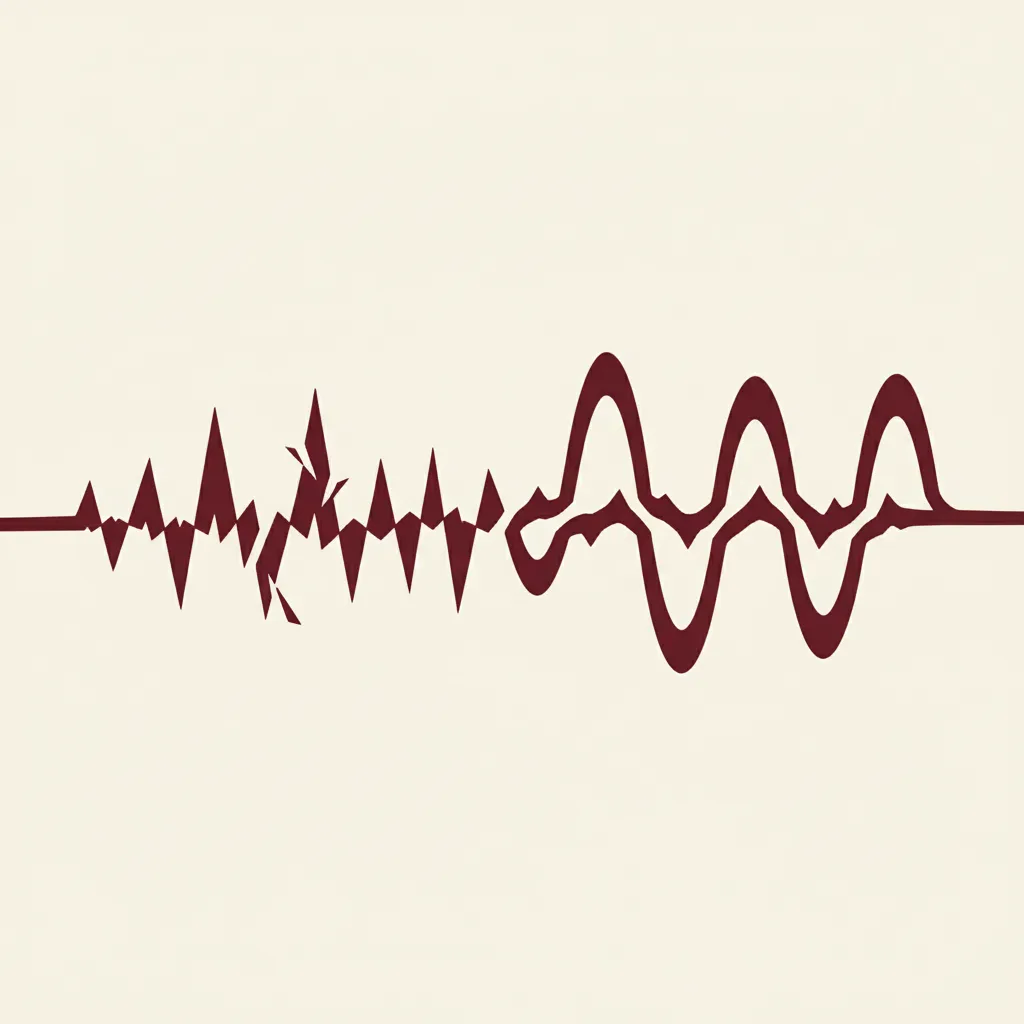
SAD: Why Winter Makes You Feel Terrible (And What Actually Helps)
Seasonal affective disorder is a circadian rhythm problem masquerading as a mood disorder.

What Is SAD?
The relationship between chronic pain and stress is mediated by shared neural circuits. Research from Northwestern University's Feinberg School of Medicine has shown that chronic pain reorganizes the brain's emotional processing regions, particularly the prefrontal cortex and amygdala. This neurological overlap explains why chronic pain patients frequently develop anxiety and depression, and why effective pain treatment increasingly involves addressing the nervous system's stress response rather than solely targeting peripheral pain signals.
Journaling has surprisingly robust evidence behind it. James Pennebaker's research at the University of Texas demonstrated that expressive writing about stressful events for just 15-20 minutes per day over 3-4 days produced significant improvements in immune function, reduced doctor visits, and improved mood — effects that lasted months. The mechanism appears to involve cognitive processing: writing forces the brain to organize fragmented emotional experiences into coherent narratives, which facilitates meaning-making and emotional resolution.
The relationship between the mind and body in stress processing is best understood not as a one-way street but as a continuous feedback loop. Psychological stress produces physical symptoms (muscle tension, digestive disruption, cardiovascular changes), and those physical symptoms, in turn, generate psychological distress (anxiety about health, frustration with chronic symptoms, social withdrawal due to fatigue). Breaking this cycle requires intervention at the physical level, not just the cognitive level. This is why body-based approaches — breathwork, movement, cold exposure, and somatic practices — often succeed where purely cognitive approaches plateau.
The gut-brain axis represents one of the most active areas of neuroscience research. The enteric nervous system contains approximately 500 million neurons and produces 95% of the body's serotonin. Gut bacteria communicate with the brain through multiple pathways: the vagus nerve (neural), the immune system (inflammatory cytokines), and the endocrine system (hormones and neuropeptides). A landmark 2011 study in the Proceedings of the National Academy of Sciences demonstrated that Lactobacillus rhamnosus supplementation reduced anxiety-like behavior in mice — an effect that was abolished when the vagus nerve was severed, confirming that the gut-brain communication is neurally mediated.
The vagus nerve's role extends far beyond what most popular accounts describe. In addition to its well-known effects on heart rate and digestion, the vagus nerve modulates the inflammatory reflex (reducing systemic inflammation), influences pain processing, regulates glucose metabolism, and even affects social cognition through its connections to facial muscles and middle ear structures involved in detecting prosodic (emotional) features of speech. Research from the Feinstein Institutes for Medical Research has demonstrated that electrical stimulation of the vagus nerve can reduce TNF-alpha (a key inflammatory cytokine) by up to 50%, which has led to FDA-approved vagus nerve stimulation devices for treatment-resistant depression and epilepsy.
The Science Behind It
Burnout, as defined by the World Health Organization in 2019, is specifically an occupational phenomenon characterized by three dimensions: emotional exhaustion, depersonalization (cynicism toward work), and reduced personal accomplishment. Research from the Karolinska Institute in Sweden has shown that burnout is associated with measurable changes in brain structure — specifically, thinning of the prefrontal cortex and enlargement of the amygdala — changes that mirror those seen in chronic stress and early trauma.
The distinction between stress and anxiety is both neurological and temporal. Stress is a response to an identifiable external stimulus — a deadline, a conflict, a financial setback. Anxiety, by contrast, is the persistence of the stress response in the absence of an immediate threat. Neuroimaging research from the National Institute of Mental Health has shown that anxiety involves hyperactivity in the amygdala and anterior insula even when no threat is present, suggesting that the brain's threat-detection system is firing inappropriately.
One practical implication of this research that is often overlooked is the importance of transitional rituals — deliberate practices that mark the boundary between different states of activation. The morning commute, the lunch break, the evening decompression — these transitional periods serve a neurological function by allowing the nervous system to shift between different modes of operation. The erosion of these boundaries in remote work culture, where the laptop opens on the nightstand and closes on the couch, has eliminated many of the natural regulation points that previously structured the day. Deliberately creating transitional rituals (a 10-minute walk between work and dinner, a specific 'shutdown' routine at end of work, different physical spaces for different activities) can significantly improve nervous system regulation even without adding formal 'practices.'
Sleep spindles — brief bursts of neural oscillation during stage N2 sleep — are increasingly recognized as critical for memory consolidation. Research from the University of California (2019) demonstrated that sleep spindle density predicted next-day learning capacity. Older adults show reduced spindle activity, which may partially explain age-related memory decline. Interestingly, targeted auditory stimulation during sleep can enhance spindle activity and improve subsequent memory performance.
A growing body of research suggests that the most effective interventions are those that combine 'top-down' and 'bottom-up' approaches. Top-down interventions (cognitive therapy, psychoeducation, mindfulness) work through the prefrontal cortex to modulate subcortical stress responses. Bottom-up interventions (breathwork, movement, cold exposure, vagal stimulation) work directly on the autonomic nervous system, bypassing cognitive processing. Research from the Trauma Center at JRI in Boston has shown that individuals with severe dysregulation often benefit most from bottom-up approaches initially, with cognitive interventions becoming more effective once the nervous system has stabilized sufficiently to support reflective thinking.
Your nervous system was designed for intermittent stress followed by full recovery — not the chronic, low-grade activation of modern life.
How It Affects Your Nervous System
Gratitude practices have measurable neurological effects. Research using fMRI at Indiana University (2015) demonstrated that gratitude journaling increased activation in the medial prefrontal cortex — a brain region associated with learning, decision-making, and value assessment. Participants who wrote gratitude letters showed greater neural sensitivity to gratitude experiences three months later, suggesting that the practice creates lasting changes in how the brain processes positive experiences.
Social media use and anxiety show a dose-response relationship. A 2018 study in the Journal of Social and Clinical Psychology — one of the first randomized controlled trials on the subject — found that limiting social media to 30 minutes per day for three weeks significantly reduced loneliness and depression. Importantly, the mechanism was not simply reduced screen time but reduced social comparison, suggesting that it's the specific cognitive process triggered by social media, not the activity itself, that drives negative outcomes.
The relationship between the mind and body in stress processing is best understood not as a one-way street but as a continuous feedback loop. Psychological stress produces physical symptoms (muscle tension, digestive disruption, cardiovascular changes), and those physical symptoms, in turn, generate psychological distress (anxiety about health, frustration with chronic symptoms, social withdrawal due to fatigue). Breaking this cycle requires intervention at the physical level, not just the cognitive level. This is why body-based approaches — breathwork, movement, cold exposure, and somatic practices — often succeed where purely cognitive approaches plateau.
Hustle culture — the valorization of overwork as a moral virtue — functions as a systemic nervous system stressor. Research from the Stanford Graduate School of Business (2015) found that working more than 50 hours per week produced diminishing marginal returns, and that productivity at 70 hours was essentially identical to productivity at 55 hours. Beyond productivity, chronic overwork was associated with a 33% increased risk of stroke and a 13% increased risk of coronary heart disease, according to a WHO/ILO systematic review of 194 countries.
The relationship between sleep and emotional regulation is bidirectional and potent. Research published in Current Biology (2007) showed that after one night of total sleep deprivation, the amygdala showed a 60% increase in reactivity to negative emotional stimuli, while its functional connectivity with the prefrontal cortex — the brain's rational regulatory center — was significantly reduced. In essence, a single night of poor sleep creates a brain that is more emotionally reactive and less able to regulate those reactions.
What the Research Shows
Journaling has surprisingly robust evidence behind it. James Pennebaker's research at the University of Texas demonstrated that expressive writing about stressful events for just 15-20 minutes per day over 3-4 days produced significant improvements in immune function, reduced doctor visits, and improved mood — effects that lasted months. The mechanism appears to involve cognitive processing: writing forces the brain to organize fragmented emotional experiences into coherent narratives, which facilitates meaning-making and emotional resolution.
Rumination — repetitive, circular thinking about problems or distressing events — is one of the strongest predictors of depression and anxiety. Research from Stanford University (2013) using fMRI showed that rumination involves hyperactivation of the default mode network, particularly the subgenual prefrontal cortex, a region strongly implicated in depression. Importantly, rumination is not problem-solving — it does not lead to insight or resolution. Instead, it amplifies negative affect and strengthens the neural pathways associated with distress.
The concept of 'dose-response' in regulation practices is important and often overlooked. Just as medication has an optimal dose range — below which it's ineffective and above which side effects emerge — regulation practices have optimal duration and intensity parameters. Research from Emory University (2019) found that meditation sessions of 10-20 minutes produced the greatest anxiolytic effects, with diminishing returns beyond 30 minutes and some participants actually reporting increased anxiety during sessions longer than 45 minutes (likely due to sustained interoceptive focus amplifying anxious body sensations in untrained practitioners). Starting with shorter sessions and gradually increasing is both safer and more sustainable.
The distinction between stress and anxiety is both neurological and temporal. Stress is a response to an identifiable external stimulus — a deadline, a conflict, a financial setback. Anxiety, by contrast, is the persistence of the stress response in the absence of an immediate threat. Neuroimaging research from the National Institute of Mental Health has shown that anxiety involves hyperactivity in the amygdala and anterior insula even when no threat is present, suggesting that the brain's threat-detection system is firing inappropriately.
Common Misconceptions
Rumination — repetitive, circular thinking about problems or distressing events — is one of the strongest predictors of depression and anxiety. Research from Stanford University (2013) using fMRI showed that rumination involves hyperactivation of the default mode network, particularly the subgenual prefrontal cortex, a region strongly implicated in depression. Importantly, rumination is not problem-solving — it does not lead to insight or resolution. Instead, it amplifies negative affect and strengthens the neural pathways associated with distress.
Journaling has surprisingly robust evidence behind it. James Pennebaker's research at the University of Texas demonstrated that expressive writing about stressful events for just 15-20 minutes per day over 3-4 days produced significant improvements in immune function, reduced doctor visits, and improved mood — effects that lasted months. The mechanism appears to involve cognitive processing: writing forces the brain to organize fragmented emotional experiences into coherent narratives, which facilitates meaning-making and emotional resolution.
The concept of 'dose-response' in regulation practices is important and often overlooked. Just as medication has an optimal dose range — below which it's ineffective and above which side effects emerge — regulation practices have optimal duration and intensity parameters. Research from Emory University (2019) found that meditation sessions of 10-20 minutes produced the greatest anxiolytic effects, with diminishing returns beyond 30 minutes and some participants actually reporting increased anxiety during sessions longer than 45 minutes (likely due to sustained interoceptive focus amplifying anxious body sensations in untrained practitioners). Starting with shorter sessions and gradually increasing is both safer and more sustainable.
Anticipatory anxiety — worrying about future events — activates the same neural circuits as actual threat exposure. Research published in Science (2006) demonstrated that the anterior insula, a brain region involved in processing aversive experiences, showed equal activation whether participants were experiencing mild electric shocks or merely anticipating them. This finding explains why anticipatory anxiety feels so physically real and why rationalization alone is often insufficient to resolve it.
If your anxiety is worst in the morning and improves throughout the day, focus on managing the cortisol awakening response: no phone for the first 30 minutes, morning sunlight, protein-rich breakfast, and 5 minutes of slow breathing before getting out of bed.
Practical Applications
The distinction between stress and anxiety is both neurological and temporal. Stress is a response to an identifiable external stimulus — a deadline, a conflict, a financial setback. Anxiety, by contrast, is the persistence of the stress response in the absence of an immediate threat. Neuroimaging research from the National Institute of Mental Health has shown that anxiety involves hyperactivity in the amygdala and anterior insula even when no threat is present, suggesting that the brain's threat-detection system is firing inappropriately.
Burnout, as defined by the World Health Organization in 2019, is specifically an occupational phenomenon characterized by three dimensions: emotional exhaustion, depersonalization (cynicism toward work), and reduced personal accomplishment. Research from the Karolinska Institute in Sweden has shown that burnout is associated with measurable changes in brain structure — specifically, thinning of the prefrontal cortex and enlargement of the amygdala — changes that mirror those seen in chronic stress and early trauma.
Recent advances in wearable technology have made it possible for individuals to track their own nervous system state in real time. Devices measuring HRV, electrodermal activity (skin conductance), and continuous heart rate provide biofeedback that was previously available only in clinical settings. Research from the University of Zurich (2020) found that HRV biofeedback training — where individuals learn to increase their HRV in real time using visual or auditory feedback — produced significant improvements in anxiety, depression, and stress resilience that were maintained at six-month follow-up. While these tools are not replacements for professional care, they democratize access to physiological self-awareness.
People-pleasing, when viewed through a nervous system lens, is a fawn response — a trauma adaptation in which an individual prioritizes others' needs to maintain safety. Unlike fight, flight, or freeze, fawning involves actively managing another person's emotional state to prevent conflict or rejection. Research from the University of Michigan (2017) found that chronic people-pleasing was associated with elevated cortisol throughout the day, suggesting that the constant vigilance required to anticipate and meet others' needs maintains sympathetic nervous system activation.
Omega-3 fatty acids, particularly EPA (eicosapentaenoic acid) and DHA (docosahexaenoic acid), play critical roles in brain health and emotional regulation. DHA constitutes approximately 40% of the polyunsaturated fatty acids in the brain, where it maintains membrane fluidity and supports neurotransmitter function. A 2018 meta-analysis in JAMA Network Open found that omega-3 supplementation (with an EPA-to-DHA ratio of 2:1 or higher) significantly reduced symptoms of clinical anxiety, with effects comparable to low-dose SSRIs in some populations.
The Mind-Body Connection
Perfectionism operates as a chronic stress generator because it creates an impossible standard against which all performance is evaluated. Research by Thomas Curran and Andrew Hill, published in Psychological Bulletin (2019), found that perfectionism has increased substantially across generations, with socially prescribed perfectionism (the belief that others demand perfection from you) showing the steepest rise. This form of perfectionism is most strongly associated with anxiety, depression, and burnout because the source of the standard feels external and uncontrollable.
Burnout, as defined by the World Health Organization in 2019, is specifically an occupational phenomenon characterized by three dimensions: emotional exhaustion, depersonalization (cynicism toward work), and reduced personal accomplishment. Research from the Karolinska Institute in Sweden has shown that burnout is associated with measurable changes in brain structure — specifically, thinning of the prefrontal cortex and enlargement of the amygdala — changes that mirror those seen in chronic stress and early trauma.
Recent advances in wearable technology have made it possible for individuals to track their own nervous system state in real time. Devices measuring HRV, electrodermal activity (skin conductance), and continuous heart rate provide biofeedback that was previously available only in clinical settings. Research from the University of Zurich (2020) found that HRV biofeedback training — where individuals learn to increase their HRV in real time using visual or auditory feedback — produced significant improvements in anxiety, depression, and stress resilience that were maintained at six-month follow-up. While these tools are not replacements for professional care, they democratize access to physiological self-awareness.
Emotional flashbacks, a term coined by Pete Walker, differ from the visual flashbacks typically associated with PTSD. Rather than re-experiencing specific traumatic events, emotional flashbacks involve sudden regressions to the emotional state of childhood trauma — overwhelming fear, shame, helplessness, or rage — often without an identifiable trigger. Research published in the Journal of Traumatic Stress (2014) found that emotional flashbacks are a primary feature of complex PTSD and are mediated by implicit (non-verbal) memory systems that bypass conscious recall.
Who Benefits Most
Morning anxiety — the experience of waking with a racing heart, tight chest, and sense of dread — has a clear physiological basis. Cortisol naturally peaks 30-45 minutes after waking in what's called the cortisol awakening response (CAR). In individuals with anxiety disorders, this response is amplified, sometimes producing cortisol levels 2-3 times higher than normal. Research published in Psychoneuroendocrinology (2007) found that a heightened CAR was associated with greater perceived stress, worry, and rumination throughout the day.
Anticipatory anxiety — worrying about future events — activates the same neural circuits as actual threat exposure. Research published in Science (2006) demonstrated that the anterior insula, a brain region involved in processing aversive experiences, showed equal activation whether participants were experiencing mild electric shocks or merely anticipating them. This finding explains why anticipatory anxiety feels so physically real and why rationalization alone is often insufficient to resolve it.
Recent advances in wearable technology have made it possible for individuals to track their own nervous system state in real time. Devices measuring HRV, electrodermal activity (skin conductance), and continuous heart rate provide biofeedback that was previously available only in clinical settings. Research from the University of Zurich (2020) found that HRV biofeedback training — where individuals learn to increase their HRV in real time using visual or auditory feedback — produced significant improvements in anxiety, depression, and stress resilience that were maintained at six-month follow-up. While these tools are not replacements for professional care, they democratize access to physiological self-awareness.
Social media use and anxiety show a dose-response relationship. A 2018 study in the Journal of Social and Clinical Psychology — one of the first randomized controlled trials on the subject — found that limiting social media to 30 minutes per day for three weeks significantly reduced loneliness and depression. Importantly, the mechanism was not simply reduced screen time but reduced social comparison, suggesting that it's the specific cognitive process triggered by social media, not the activity itself, that drives negative outcomes.
Getting Started: A Step-by-Step Guide
Burnout, as defined by the World Health Organization in 2019, is specifically an occupational phenomenon characterized by three dimensions: emotional exhaustion, depersonalization (cynicism toward work), and reduced personal accomplishment. Research from the Karolinska Institute in Sweden has shown that burnout is associated with measurable changes in brain structure — specifically, thinning of the prefrontal cortex and enlargement of the amygdala — changes that mirror those seen in chronic stress and early trauma.
Rumination — repetitive, circular thinking about problems or distressing events — is one of the strongest predictors of depression and anxiety. Research from Stanford University (2013) using fMRI showed that rumination involves hyperactivation of the default mode network, particularly the subgenual prefrontal cortex, a region strongly implicated in depression. Importantly, rumination is not problem-solving — it does not lead to insight or resolution. Instead, it amplifies negative affect and strengthens the neural pathways associated with distress.
The clinical implications of this research extend beyond individual treatment. Public health interventions increasingly recognize that chronic stress operates at population level, with socioeconomic disadvantage, racial discrimination, and environmental pollution all contributing to collective nervous system dysregulation. A 2020 study in the American Journal of Public Health found that neighborhood-level stressors — including noise, crime, and lack of green space — predicted HRV at the population level, independent of individual-level factors. This suggests that nervous system health is not solely an individual responsibility but also a function of the environments we create and inhabit.
The distinction between stress and anxiety is both neurological and temporal. Stress is a response to an identifiable external stimulus — a deadline, a conflict, a financial setback. Anxiety, by contrast, is the persistence of the stress response in the absence of an immediate threat. Neuroimaging research from the National Institute of Mental Health has shown that anxiety involves hyperactivity in the amygdala and anterior insula even when no threat is present, suggesting that the brain's threat-detection system is firing inappropriately.
Common Mistakes to Avoid
Social media use and anxiety show a dose-response relationship. A 2018 study in the Journal of Social and Clinical Psychology — one of the first randomized controlled trials on the subject — found that limiting social media to 30 minutes per day for three weeks significantly reduced loneliness and depression. Importantly, the mechanism was not simply reduced screen time but reduced social comparison, suggesting that it's the specific cognitive process triggered by social media, not the activity itself, that drives negative outcomes.
Decision fatigue is not merely a colloquial complaint but a well-documented cognitive phenomenon. A famous study of Israeli parole judges published in the Proceedings of the National Academy of Sciences (2011) found that the probability of a favorable ruling dropped from about 65% at the start of a session to nearly 0% just before a break — then reset to 65% after the break. This research demonstrates that decision-making depletes a finite cognitive resource, and that the depleted brain defaults to the path of least resistance.
The concept of 'dose-response' in regulation practices is important and often overlooked. Just as medication has an optimal dose range — below which it's ineffective and above which side effects emerge — regulation practices have optimal duration and intensity parameters. Research from Emory University (2019) found that meditation sessions of 10-20 minutes produced the greatest anxiolytic effects, with diminishing returns beyond 30 minutes and some participants actually reporting increased anxiety during sessions longer than 45 minutes (likely due to sustained interoceptive focus amplifying anxious body sensations in untrained practitioners). Starting with shorter sessions and gradually increasing is both safer and more sustainable.
Chronotype — your natural preference for morning or evening activity — is genetically determined and shifts across the lifespan. Research published in Current Biology (2019) identified nearly 400 genetic variants associated with chronotype. Adolescents naturally shift toward later chronotypes (explaining why teens struggle with early school start times), while older adults tend to shift earlier. Forcing yourself to operate against your chronotype has measurable health consequences: a UK Biobank study of 430,000 people found that evening chronotypes forced to wake early had a 10% higher mortality risk.
When to Seek Professional Help
Morning anxiety — the experience of waking with a racing heart, tight chest, and sense of dread — has a clear physiological basis. Cortisol naturally peaks 30-45 minutes after waking in what's called the cortisol awakening response (CAR). In individuals with anxiety disorders, this response is amplified, sometimes producing cortisol levels 2-3 times higher than normal. Research published in Psychoneuroendocrinology (2007) found that a heightened CAR was associated with greater perceived stress, worry, and rumination throughout the day.
Anticipatory anxiety — worrying about future events — activates the same neural circuits as actual threat exposure. Research published in Science (2006) demonstrated that the anterior insula, a brain region involved in processing aversive experiences, showed equal activation whether participants were experiencing mild electric shocks or merely anticipating them. This finding explains why anticipatory anxiety feels so physically real and why rationalization alone is often insufficient to resolve it.
This finding aligns with a broader pattern in psychophysiology research: the body's regulatory systems are not fixed but remarkably plastic. When provided with consistent, appropriate inputs — whether through breathwork, movement, social connection, or nutritional support — the nervous system can recalibrate toward more adaptive baseline states. The key word here is 'consistent.' Single interventions produce temporary shifts; sustained practice produces lasting change. Research from the University of Wisconsin's Center for Healthy Minds has demonstrated that as little as two weeks of daily practice can produce detectable changes in neural connectivity, with more substantial structural changes emerging after eight to twelve weeks.
The inner critic, when examined neurologically, activates the same threat-response circuits as an external threat. Research from the University of Exeter (2017) using fMRI showed that self-critical thinking activated the amygdala and the lateral prefrontal cortex (associated with behavioral inhibition), while self-compassionate thinking activated the insula (interoception) and the ventral striatum (reward). This suggests that self-criticism keeps the nervous system in a defensive posture, while self-compassion promotes safety and regulation.
Exercise reduces anxiety through mechanisms that go far beyond the popular endorphin explanation. Research published in Cell Metabolism (2014) identified a key molecule — kynurenine — that accumulates during stress and crosses the blood-brain barrier, where it produces neuroinflammation and depression-like symptoms. Skeletal muscle, when activated through exercise, produces an enzyme that converts kynurenine into a form that cannot enter the brain. This finding provides a direct molecular explanation for exercise's antidepressant effects.
Putting It All Together
Perfectionism operates as a chronic stress generator because it creates an impossible standard against which all performance is evaluated. Research by Thomas Curran and Andrew Hill, published in Psychological Bulletin (2019), found that perfectionism has increased substantially across generations, with socially prescribed perfectionism (the belief that others demand perfection from you) showing the steepest rise. This form of perfectionism is most strongly associated with anxiety, depression, and burnout because the source of the standard feels external and uncontrollable.
Doomscrolling exploits a well-documented neurological vulnerability. The brain's threat-detection system prioritizes negative information because, in evolutionary terms, missing a threat was far more costly than missing an opportunity. Social media algorithms amplify this bias by serving increasingly alarming content to maximize engagement. Research from the University of Sussex (2019) found that negative news consumption was associated with increased anxiety, sadness, and catastrophic thinking — effects that persisted for hours after the person stopped scrolling.
The relationship between the mind and body in stress processing is best understood not as a one-way street but as a continuous feedback loop. Psychological stress produces physical symptoms (muscle tension, digestive disruption, cardiovascular changes), and those physical symptoms, in turn, generate psychological distress (anxiety about health, frustration with chronic symptoms, social withdrawal due to fatigue). Breaking this cycle requires intervention at the physical level, not just the cognitive level. This is why body-based approaches — breathwork, movement, cold exposure, and somatic practices — often succeed where purely cognitive approaches plateau.
Somatic experiencing, developed by Peter Levine, is based on the observation that wild animals routinely discharge stress energy through physical movement — shaking, trembling, running — and rarely develop trauma-like symptoms. Humans, by contrast, often suppress these natural discharge mechanisms due to social conditioning. Somatic experiencing works by gently guiding individuals to complete interrupted defensive responses and discharge accumulated survival energy from the body.
Sources & Further Reading
- Hunt, M.G., et al. (2018). No more FOMO: Limiting social media decreases loneliness and depression. Journal of Social and Clinical Psychology, 37(10), 751-768.
- Danziger, S., Levav, J., & Avnaim-Pesso, L. (2011). Extraneous factors in judicial decisions. Proceedings of the National Academy of Sciences, 108(17), 6889-6892.
- McEwen, B.S. (2017). Neurobiological and systemic effects of chronic stress. Chronic Stress, 1, 2470547017692328.
- Zaccaro, A., et al. (2018). How breath-control can change your life: A systematic review on psycho-physiological correlates of slow breathing. Frontiers in Human Neuroscience, 12, 353.
- Nolen-Hoeksema, S., Wisco, B.E., & Lyubomirsky, S. (2008). Rethinking rumination. Perspectives on Psychological Science, 3(5), 400-424.