The Mental Health Benefits of Swimming: Cold Water, Buoyancy, and Brain Chemistry
Swimming combines multiple nervous system regulation mechanisms in a single activity.
The Movement-Mind Connection
The inflammation-stress connection operates through the nuclear factor kappa B (NF-kB) pathway. Psychological stress activates NF-kB, which triggers the production of pro-inflammatory cytokines. These cytokines cross the blood-brain barrier and activate microglial cells (the brain's immune cells), producing neuroinflammation that manifests as fatigue, cognitive fog, anhedonia, and increased pain sensitivity. A 2017 meta-analysis in Molecular Psychiatry found that stress-management interventions — including yoga, meditation, and tai chi — reduced NF-kB activity and downstream inflammatory markers.
Nature therapy (shinrin-yoku, or forest bathing) has been studied extensively in Japan since the 1980s. Research published in Environmental Health and Preventive Medicine (2010) found that spending two hours in a forest environment reduced cortisol levels by 16%, blood pressure by 2%, and sympathetic nerve activity by 4% compared to equivalent time in an urban environment. The mechanisms include phytoncides (antimicrobial compounds released by trees that modulate immune function), reduced sensory overstimulation, and the restorative effects of fractal patterns in natural landscapes.
The relationship between inflammation and mood is one of the most significant discoveries in psychiatry in the past two decades. Research has demonstrated that approximately one-third of patients with treatment-resistant depression show elevated inflammatory markers, and that anti-inflammatory interventions (including omega-3 supplementation, exercise, and anti-inflammatory diets) can produce antidepressant effects in this subgroup. This 'inflammatory' subtype of depression is characterized by fatigue, psychomotor slowing, and increased sleep — symptoms that differ from the classic 'low serotonin' presentation of decreased appetite, insomnia, and agitation. Recognizing this distinction has important implications for treatment selection.
The glymphatic system, discovered in 2012 by Maiken Nedergaard's lab at the University of Rochester, represents a major breakthrough in understanding why sleep is biologically necessary. During deep sleep, glial cells shrink by up to 60%, expanding the interstitial space between brain cells and allowing cerebrospinal fluid to flush out metabolic waste products — including beta-amyloid, the protein associated with Alzheimer's disease. This cleaning process is almost entirely inactive during wakefulness, making deep sleep literally essential for brain health.
The suprachiasmatic nucleus (SCN), a tiny cluster of about 20,000 neurons in the hypothalamus, serves as the body's master clock. It coordinates circadian rhythms across every organ system based primarily on light input received through specialized retinal ganglion cells. Even brief exposure to blue-enriched light in the evening can delay the SCN's melatonin-release signal by up to 90 minutes, which is why screen use before bed has such a profound impact on sleep onset.
How Physical Activity Changes Your Brain
Yoga's effects on the nervous system are mediated primarily through two mechanisms: controlled breathing (pranayama) and sustained postures that activate the proprioceptive system. A 2017 study published in the Journal of Alternative and Complementary Medicine found that 12 weeks of regular yoga practice increased GABA levels in the thalamus by 27% — GABA being the brain's primary inhibitory neurotransmitter and the same target as benzodiazepine medications. This suggests that yoga produces genuine pharmacological effects through behavioral means.
The inflammation-stress connection operates through the nuclear factor kappa B (NF-kB) pathway. Psychological stress activates NF-kB, which triggers the production of pro-inflammatory cytokines. These cytokines cross the blood-brain barrier and activate microglial cells (the brain's immune cells), producing neuroinflammation that manifests as fatigue, cognitive fog, anhedonia, and increased pain sensitivity. A 2017 meta-analysis in Molecular Psychiatry found that stress-management interventions — including yoga, meditation, and tai chi — reduced NF-kB activity and downstream inflammatory markers.
One of the most underappreciated aspects of this research is the role of safety. The nervous system does not regulate in response to commands or willpower — it regulates in response to cues of safety. This is a fundamental insight from polyvagal theory: the ventral vagal system (which supports calm alertness and social engagement) activates only when the nervous system detects sufficient safety signals. These signals include prosodic voice patterns, warm facial expressions, physical touch, rhythmic movement, and predictable environments. Understanding this helps explain why some people cannot simply 'relax on command' — their nervous system has not received adequate safety cues to permit relaxation.
Parenting is neurobiologically exhausting because it requires continuous co-regulation — the parent's nervous system must remain regulated enough to serve as an anchor for the child's developing regulatory system. Research from the University of Leiden (2018) demonstrated that parents' cortisol levels directly predicted their children's cortisol patterns, with dysregulated parents producing higher cortisol responses in their children during stress tasks. This finding highlights the invisible labor of parenting: maintaining one's own nervous system state is not selfish but necessary for children's neurological development.
Healing is not linear because the nervous system doesn't operate on a timeline. It operates on a threshold of safety.
The Nervous System Mechanism
Dance therapy engages the nervous system differently from structured exercise because it involves spontaneous, self-directed movement without performance pressure. Research from the University of Hertfordshire (2019) found that free-form dance for 30 minutes produced greater reductions in cortisol and greater increases in serotonin than equivalent-intensity structured exercise. The researchers attributed this to the combination of rhythmic movement, musical engagement, and the absence of performance evaluation — essentially creating a safe space for the body to move without the sympathetic activation that often accompanies exercise in competitive or evaluative contexts.
Nature therapy (shinrin-yoku, or forest bathing) has been studied extensively in Japan since the 1980s. Research published in Environmental Health and Preventive Medicine (2010) found that spending two hours in a forest environment reduced cortisol levels by 16%, blood pressure by 2%, and sympathetic nerve activity by 4% compared to equivalent time in an urban environment. The mechanisms include phytoncides (antimicrobial compounds released by trees that modulate immune function), reduced sensory overstimulation, and the restorative effects of fractal patterns in natural landscapes.
Recent advances in wearable technology have made it possible for individuals to track their own nervous system state in real time. Devices measuring HRV, electrodermal activity (skin conductance), and continuous heart rate provide biofeedback that was previously available only in clinical settings. Research from the University of Zurich (2020) found that HRV biofeedback training — where individuals learn to increase their HRV in real time using visual or auditory feedback — produced significant improvements in anxiety, depression, and stress resilience that were maintained at six-month follow-up. While these tools are not replacements for professional care, they democratize access to physiological self-awareness.
Napping science reveals a nuanced picture. A NASA study on military pilots and astronauts found that a 26-minute nap improved performance by 34% and alertness by 54%. However, naps longer than 30 minutes carry the risk of sleep inertia — grogginess caused by waking from deeper sleep stages. The optimal nap length depends on the goal: 10-20 minutes for alertness, 60 minutes for cognitive memory processing (with potential grogginess), or 90 minutes for a full sleep cycle including REM (mood and creativity benefits).
What 50 Years of Research Shows
Fascia — the continuous web of connective tissue that surrounds every muscle, bone, nerve, and organ — is increasingly recognized as a sensory organ in its own right. Research from the Fascia Research Congress has demonstrated that fascia contains more proprioceptive nerve endings than muscle tissue itself. When fascia becomes restricted through chronic tension, injury, or sedentary behavior, it sends persistent nociceptive (pain) signals to the central nervous system, maintaining a low-level stress response even in the absence of psychological stressors.
Walking — particularly in natural environments — activates the parasympathetic nervous system through a mechanism researchers call 'soft fascination.' Urban environments demand directed attention (watching for traffic, navigating crowds), which depletes cognitive resources. Natural environments provide indirect attention stimuli (rustling leaves, flowing water, birdsong) that engage the brain without taxing executive function. A Stanford study published in Proceedings of the National Academy of Sciences (2015) found that a 90-minute nature walk reduced activity in the subgenual prefrontal cortex, a region associated with rumination.
The relationship between inflammation and mood is one of the most significant discoveries in psychiatry in the past two decades. Research has demonstrated that approximately one-third of patients with treatment-resistant depression show elevated inflammatory markers, and that anti-inflammatory interventions (including omega-3 supplementation, exercise, and anti-inflammatory diets) can produce antidepressant effects in this subgroup. This 'inflammatory' subtype of depression is characterized by fatigue, psychomotor slowing, and increased sleep — symptoms that differ from the classic 'low serotonin' presentation of decreased appetite, insomnia, and agitation. Recognizing this distinction has important implications for treatment selection.
The glymphatic system, discovered in 2012 by Maiken Nedergaard's lab at the University of Rochester, represents a major breakthrough in understanding why sleep is biologically necessary. During deep sleep, glial cells shrink by up to 60%, expanding the interstitial space between brain cells and allowing cerebrospinal fluid to flush out metabolic waste products — including beta-amyloid, the protein associated with Alzheimer's disease. This cleaning process is almost entirely inactive during wakefulness, making deep sleep literally essential for brain health.
Loneliness activates the brain's threat-detection circuitry. A landmark study published in Trends in Cognitive Sciences (2015) by John Cacioppo demonstrated that chronic loneliness produces a hypervigilance to social threat — lonely individuals show increased amygdala reactivity to negative social cues and reduced activity in the ventral striatum in response to positive social cues. This creates a self-reinforcing cycle: loneliness makes the brain more vigilant to rejection, which makes social interaction feel more threatening, which increases avoidance and isolation.
The Anti-Inflammatory Effect
Therapeutic tremoring — the body's natural mechanism for discharging accumulated stress energy — was first systematically studied by David Berceli, who developed Tension and Trauma Releasing Exercises (TRE). The tremoring mechanism originates in the psoas muscle, the deepest hip flexor, which contracts during the fight-or-flight response. When this muscle is deliberately fatigued and then allowed to relax, it spontaneously produces tremors that propagate through the body, releasing stored muscular tension. Research published in the Journal of Traumatic Stress (2016) found that TRE practice significantly reduced PTSD symptoms in military veterans.
Dance therapy engages the nervous system differently from structured exercise because it involves spontaneous, self-directed movement without performance pressure. Research from the University of Hertfordshire (2019) found that free-form dance for 30 minutes produced greater reductions in cortisol and greater increases in serotonin than equivalent-intensity structured exercise. The researchers attributed this to the combination of rhythmic movement, musical engagement, and the absence of performance evaluation — essentially creating a safe space for the body to move without the sympathetic activation that often accompanies exercise in competitive or evaluative contexts.
The vagus nerve's role extends far beyond what most popular accounts describe. In addition to its well-known effects on heart rate and digestion, the vagus nerve modulates the inflammatory reflex (reducing systemic inflammation), influences pain processing, regulates glucose metabolism, and even affects social cognition through its connections to facial muscles and middle ear structures involved in detecting prosodic (emotional) features of speech. Research from the Feinstein Institutes for Medical Research has demonstrated that electrical stimulation of the vagus nerve can reduce TNF-alpha (a key inflammatory cytokine) by up to 50%, which has led to FDA-approved vagus nerve stimulation devices for treatment-resistant depression and epilepsy.
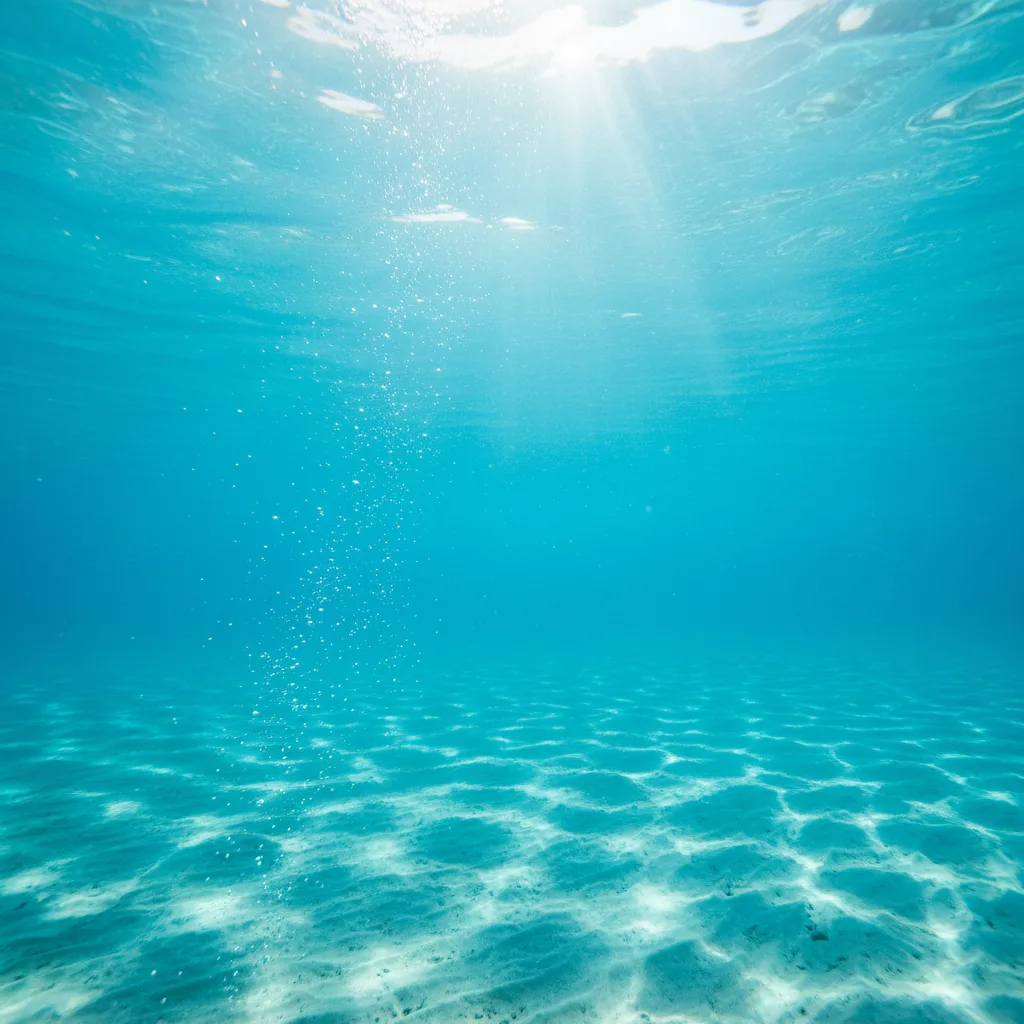
Swimming combines multiple nervous system regulation mechanisms: the diving reflex triggered by water contact, hydrostatic pressure that provides gentle proprioceptive input across the entire body, rhythmic bilateral movement that activates cross-hemisphere brain coordination, and the meditative quality of regulated breathing. A 2019 systematic review in the British Journal of Sports Medicine found that swimming was associated with a 28% lower risk of all-cause mortality compared to sedentary individuals — a larger reduction than walking or cycling.
You don't need an hour at the gym. Research shows that three 10-minute walks throughout the day produce equal or greater mood benefits compared to one 30-minute session. The frequency matters more than the duration.
Hormonal and Neurochemical Changes
Cold exposure triggers the diving reflex — an evolutionarily conserved response that rapidly activates the parasympathetic nervous system. When cold water contacts the face, the trigeminal nerve sends signals to the vagus nerve, producing immediate heart rate reduction and a shift toward parasympathetic dominance. Research from Radboud University Medical Center (2014), led by Wim Hof collaborator Matthijs Kox, demonstrated that cold exposure training combined with breathwork enabled participants to voluntarily influence their immune response — a finding previously thought impossible.
Swimming combines multiple nervous system regulation mechanisms: the diving reflex triggered by water contact, hydrostatic pressure that provides gentle proprioceptive input across the entire body, rhythmic bilateral movement that activates cross-hemisphere brain coordination, and the meditative quality of regulated breathing. A 2019 systematic review in the British Journal of Sports Medicine found that swimming was associated with a 28% lower risk of all-cause mortality compared to sedentary individuals — a larger reduction than walking or cycling.
The relationship between inflammation and mood is one of the most significant discoveries in psychiatry in the past two decades. Research has demonstrated that approximately one-third of patients with treatment-resistant depression show elevated inflammatory markers, and that anti-inflammatory interventions (including omega-3 supplementation, exercise, and anti-inflammatory diets) can produce antidepressant effects in this subgroup. This 'inflammatory' subtype of depression is characterized by fatigue, psychomotor slowing, and increased sleep — symptoms that differ from the classic 'low serotonin' presentation of decreased appetite, insomnia, and agitation. Recognizing this distinction has important implications for treatment selection.
Phone addiction — or more accurately, problematic smartphone use — shares neurological features with behavioral addictions. Dopamine release occurs not when you check your phone but in anticipation of checking — the notification sound, the vibration, even the act of reaching for the device triggers a dopamine surge. This anticipatory reward mechanism is the same one exploited by slot machines and was deliberately engineered into social media platforms, as former Facebook and Google engineers have publicly acknowledged.
It's also worth noting that individual variation in response to different regulation techniques is substantial and influenced by factors including genetics, trauma history, attachment style, and current nervous system state. A practice that is deeply calming for one person (such as meditation) may be destabilizing for another (particularly individuals with trauma who may find stillness activating). This is not a failure of the practice or the practitioner — it's a reflection of genuine neurobiological difference. The most effective approach is experimental: try a technique for two to four weeks, track your subjective response, and adjust accordingly.
Optimal Dose and Timing
Fascia — the continuous web of connective tissue that surrounds every muscle, bone, nerve, and organ — is increasingly recognized as a sensory organ in its own right. Research from the Fascia Research Congress has demonstrated that fascia contains more proprioceptive nerve endings than muscle tissue itself. When fascia becomes restricted through chronic tension, injury, or sedentary behavior, it sends persistent nociceptive (pain) signals to the central nervous system, maintaining a low-level stress response even in the absence of psychological stressors.
Cold exposure triggers the diving reflex — an evolutionarily conserved response that rapidly activates the parasympathetic nervous system. When cold water contacts the face, the trigeminal nerve sends signals to the vagus nerve, producing immediate heart rate reduction and a shift toward parasympathetic dominance. Research from Radboud University Medical Center (2014), led by Wim Hof collaborator Matthijs Kox, demonstrated that cold exposure training combined with breathwork enabled participants to voluntarily influence their immune response — a finding previously thought impossible.
Sleep remains the single most potent nervous system regulation intervention available, yet it is consistently the most neglected. During sleep — particularly during slow-wave and REM stages — the brain undergoes critical maintenance processes: clearing metabolic waste through the glymphatic system, consolidating memories, processing emotional experiences, recalibrating stress hormones, and repairing cellular damage. The research is unequivocal: there is no aspect of physical or mental health that is not impaired by insufficient sleep, and no amount of other regulation practices can compensate for chronic sleep deprivation. Prioritizing sleep is not optional — it is the foundation upon which all other regulation efforts rest.
The enteric nervous system, sometimes called the 'second brain,' contains over 500 million neurons lining the gastrointestinal tract. This neural network communicates bidirectionally with the central nervous system via the vagus nerve, which is why stress so commonly manifests as digestive symptoms. Research from the Alimentary Pharmabiotic Centre at University College Cork has demonstrated that gut microbiota composition directly influences vagal signaling and, consequently, stress reactivity and mood.
Vitamin D deficiency affects an estimated one billion people worldwide and has been consistently associated with depression and anxiety in observational studies. Vitamin D receptors are found throughout the brain, including in regions involved in mood regulation (hippocampus, prefrontal cortex, amygdala). A 2020 meta-analysis in Critical Reviews in Food Science and Nutrition found that vitamin D supplementation significantly reduced depressive symptoms in deficient individuals, with the strongest effects observed at doses of 2000-4000 IU daily over 8-12 weeks.
Comparing Different Approaches
Walking — particularly in natural environments — activates the parasympathetic nervous system through a mechanism researchers call 'soft fascination.' Urban environments demand directed attention (watching for traffic, navigating crowds), which depletes cognitive resources. Natural environments provide indirect attention stimuli (rustling leaves, flowing water, birdsong) that engage the brain without taxing executive function. A Stanford study published in Proceedings of the National Academy of Sciences (2015) found that a 90-minute nature walk reduced activity in the subgenual prefrontal cortex, a region associated with rumination.
Exercise reduces anxiety through mechanisms that go far beyond the popular endorphin explanation. Research published in Cell Metabolism (2014) identified a key molecule — kynurenine — that accumulates during stress and crosses the blood-brain barrier, where it produces neuroinflammation and depression-like symptoms. Skeletal muscle, when activated through exercise, produces an enzyme that converts kynurenine into a form that cannot enter the brain. This finding provides a direct molecular explanation for exercise's antidepressant effects.
The concept of 'dose-response' in regulation practices is important and often overlooked. Just as medication has an optimal dose range — below which it's ineffective and above which side effects emerge — regulation practices have optimal duration and intensity parameters. Research from Emory University (2019) found that meditation sessions of 10-20 minutes produced the greatest anxiolytic effects, with diminishing returns beyond 30 minutes and some participants actually reporting increased anxiety during sessions longer than 45 minutes (likely due to sustained interoceptive focus amplifying anxious body sensations in untrained practitioners). Starting with shorter sessions and gradually increasing is both safer and more sustainable.
Anticipatory anxiety — worrying about future events — activates the same neural circuits as actual threat exposure. Research published in Science (2006) demonstrated that the anterior insula, a brain region involved in processing aversive experiences, showed equal activation whether participants were experiencing mild electric shocks or merely anticipating them. This finding explains why anticipatory anxiety feels so physically real and why rationalization alone is often insufficient to resolve it.
Digital minimalism, as articulated by Cal Newport, is not simply about reducing screen time but about intentionally selecting technologies that support your values while eliminating those that don't. A 2020 controlled trial at the University of Bath found that participants who followed a structured digital minimalism protocol for 30 days reported sustained improvements in focus, sleep quality, and self-reported well-being at 3-month follow-up — effects that outlasted the protocol itself because participants had developed new behavioral defaults.
Who Benefits Most
Exercise reduces anxiety through mechanisms that go far beyond the popular endorphin explanation. Research published in Cell Metabolism (2014) identified a key molecule — kynurenine — that accumulates during stress and crosses the blood-brain barrier, where it produces neuroinflammation and depression-like symptoms. Skeletal muscle, when activated through exercise, produces an enzyme that converts kynurenine into a form that cannot enter the brain. This finding provides a direct molecular explanation for exercise's antidepressant effects.
Yoga's effects on the nervous system are mediated primarily through two mechanisms: controlled breathing (pranayama) and sustained postures that activate the proprioceptive system. A 2017 study published in the Journal of Alternative and Complementary Medicine found that 12 weeks of regular yoga practice increased GABA levels in the thalamus by 27% — GABA being the brain's primary inhibitory neurotransmitter and the same target as benzodiazepine medications. This suggests that yoga produces genuine pharmacological effects through behavioral means.
The temporal dynamics of nervous system regulation are worth understanding. After a stressful event, the body's return to baseline follows a predictable trajectory: heart rate recovers first (within minutes), followed by blood pressure (within 10-20 minutes), followed by cortisol (within 60-90 minutes), followed by inflammatory markers (within hours to days). This means that feeling 'calm' after a stress event does not necessarily mean your body has fully recovered — cortisol and inflammatory markers may remain elevated long after subjective distress has resolved. This is why post-stress recovery practices (gentle movement, social connection, adequate sleep) are important even when you 'feel fine.'
The concept of neuroception, introduced by Stephen Porges in his polyvagal theory, describes the way our nervous system evaluates risk without conscious awareness. Your body is constantly scanning for cues of safety or danger — a process that happens far faster than conscious thought. This explains why you might feel uneasy in a room before you can articulate why, or why certain people's presence immediately puts you at ease.
Getting Started Safely
Yoga's effects on the nervous system are mediated primarily through two mechanisms: controlled breathing (pranayama) and sustained postures that activate the proprioceptive system. A 2017 study published in the Journal of Alternative and Complementary Medicine found that 12 weeks of regular yoga practice increased GABA levels in the thalamus by 27% — GABA being the brain's primary inhibitory neurotransmitter and the same target as benzodiazepine medications. This suggests that yoga produces genuine pharmacological effects through behavioral means.
Therapeutic tremoring — the body's natural mechanism for discharging accumulated stress energy — was first systematically studied by David Berceli, who developed Tension and Trauma Releasing Exercises (TRE). The tremoring mechanism originates in the psoas muscle, the deepest hip flexor, which contracts during the fight-or-flight response. When this muscle is deliberately fatigued and then allowed to relax, it spontaneously produces tremors that propagate through the body, releasing stored muscular tension. Research published in the Journal of Traumatic Stress (2016) found that TRE practice significantly reduced PTSD symptoms in military veterans.
The relationship between inflammation and mood is one of the most significant discoveries in psychiatry in the past two decades. Research has demonstrated that approximately one-third of patients with treatment-resistant depression show elevated inflammatory markers, and that anti-inflammatory interventions (including omega-3 supplementation, exercise, and anti-inflammatory diets) can produce antidepressant effects in this subgroup. This 'inflammatory' subtype of depression is characterized by fatigue, psychomotor slowing, and increased sleep — symptoms that differ from the classic 'low serotonin' presentation of decreased appetite, insomnia, and agitation. Recognizing this distinction has important implications for treatment selection.
Sleep architecture follows a predictable pattern of approximately 90-minute cycles, each containing progressively different ratios of non-REM and REM sleep. During the first half of the night, slow-wave sleep (stages N3) dominates — this is when growth hormone is released, tissues are repaired, and the glymphatic system clears metabolic waste from the brain. The second half of the night is REM-heavy, devoted primarily to emotional processing, memory consolidation, and creative problem-solving.
Building a Sustainable Practice
Dance therapy engages the nervous system differently from structured exercise because it involves spontaneous, self-directed movement without performance pressure. Research from the University of Hertfordshire (2019) found that free-form dance for 30 minutes produced greater reductions in cortisol and greater increases in serotonin than equivalent-intensity structured exercise. The researchers attributed this to the combination of rhythmic movement, musical engagement, and the absence of performance evaluation — essentially creating a safe space for the body to move without the sympathetic activation that often accompanies exercise in competitive or evaluative contexts.
Walking — particularly in natural environments — activates the parasympathetic nervous system through a mechanism researchers call 'soft fascination.' Urban environments demand directed attention (watching for traffic, navigating crowds), which depletes cognitive resources. Natural environments provide indirect attention stimuli (rustling leaves, flowing water, birdsong) that engage the brain without taxing executive function. A Stanford study published in Proceedings of the National Academy of Sciences (2015) found that a 90-minute nature walk reduced activity in the subgenual prefrontal cortex, a region associated with rumination.
The clinical implications of this research extend beyond individual treatment. Public health interventions increasingly recognize that chronic stress operates at population level, with socioeconomic disadvantage, racial discrimination, and environmental pollution all contributing to collective nervous system dysregulation. A 2020 study in the American Journal of Public Health found that neighborhood-level stressors — including noise, crime, and lack of green space — predicted HRV at the population level, independent of individual-level factors. This suggests that nervous system health is not solely an individual responsibility but also a function of the environments we create and inhabit.
A 2017 meta-analysis published in Sleep Medicine Reviews analyzed 49 studies and found that cognitive behavioral therapy for insomnia (CBT-I) produced outcomes equal to or better than sleep medication for chronic insomnia — and the effects were more durable. Unlike medication, which loses efficacy over time and carries dependency risks, CBT-I addresses the underlying behavioral and cognitive patterns that perpetuate insomnia.
Integrating With Other Wellness Practices
The inflammation-stress connection operates through the nuclear factor kappa B (NF-kB) pathway. Psychological stress activates NF-kB, which triggers the production of pro-inflammatory cytokines. These cytokines cross the blood-brain barrier and activate microglial cells (the brain's immune cells), producing neuroinflammation that manifests as fatigue, cognitive fog, anhedonia, and increased pain sensitivity. A 2017 meta-analysis in Molecular Psychiatry found that stress-management interventions — including yoga, meditation, and tai chi — reduced NF-kB activity and downstream inflammatory markers.
Fascia — the continuous web of connective tissue that surrounds every muscle, bone, nerve, and organ — is increasingly recognized as a sensory organ in its own right. Research from the Fascia Research Congress has demonstrated that fascia contains more proprioceptive nerve endings than muscle tissue itself. When fascia becomes restricted through chronic tension, injury, or sedentary behavior, it sends persistent nociceptive (pain) signals to the central nervous system, maintaining a low-level stress response even in the absence of psychological stressors.
The clinical implications of this research extend beyond individual treatment. Public health interventions increasingly recognize that chronic stress operates at population level, with socioeconomic disadvantage, racial discrimination, and environmental pollution all contributing to collective nervous system dysregulation. A 2020 study in the American Journal of Public Health found that neighborhood-level stressors — including noise, crime, and lack of green space — predicted HRV at the population level, independent of individual-level factors. This suggests that nervous system health is not solely an individual responsibility but also a function of the environments we create and inhabit.
Dance therapy engages the nervous system differently from structured exercise because it involves spontaneous, self-directed movement without performance pressure. Research from the University of Hertfordshire (2019) found that free-form dance for 30 minutes produced greater reductions in cortisol and greater increases in serotonin than equivalent-intensity structured exercise. The researchers attributed this to the combination of rhythmic movement, musical engagement, and the absence of performance evaluation — essentially creating a safe space for the body to move without the sympathetic activation that often accompanies exercise in competitive or evaluative contexts.
Stress eating is not a failure of willpower but a neurobiologically driven behavior. During acute stress, cortisol increases appetite specifically for calorie-dense, high-fat, high-sugar foods — a response that evolved to replenish energy stores after physical exertion (fighting, fleeing). Research from the University of California, San Francisco, has shown that these comfort foods temporarily reduce HPA axis activity, creating a genuine (if short-lived) stress-buffering effect. This is why stress eating persists: it works, neurochemically, in the moment.
Sources & Further Reading
- Li, Q. (2010). Effect of forest bathing trips on human immune function. Environmental Health and Preventive Medicine, 15(1), 9-17.
- Agudelo, L.Z., et al. (2014). Skeletal muscle PGC-1alpha1 modulates kynurenine metabolism and mediates resilience to stress-induced depression. Cell, 159(1), 33-45.
- Berceli, D., et al. (2016). Effects of self-induced unclassified therapeutic tremors on quality of life among military veterans. Journal of Traumatic Stress, 29(4), 1-6.
- Bratman, G.N., et al. (2015). Nature experience reduces rumination and subgenual prefrontal cortex activation. Proceedings of the National Academy of Sciences, 112(28), 8567-8572.
- Streeter, C.C., et al. (2007). Yoga asana sessions increase brain GABA levels: A pilot study. Journal of Alternative and Complementary Medicine, 13(4), 419-426.