Yoga and the Nervous System: The Science Behind the Calm
How yoga affects GABA, vagal tone, and autonomic balance.
The Movement-Mind Connection
Walking — particularly in natural environments — activates the parasympathetic nervous system through a mechanism researchers call 'soft fascination.' Urban environments demand directed attention (watching for traffic, navigating crowds), which depletes cognitive resources. Natural environments provide indirect attention stimuli (rustling leaves, flowing water, birdsong) that engage the brain without taxing executive function. A Stanford study published in Proceedings of the National Academy of Sciences (2015) found that a 90-minute nature walk reduced activity in the subgenual prefrontal cortex, a region associated with rumination.
Exercise reduces anxiety through mechanisms that go far beyond the popular endorphin explanation. Research published in Cell Metabolism (2014) identified a key molecule — kynurenine — that accumulates during stress and crosses the blood-brain barrier, where it produces neuroinflammation and depression-like symptoms. Skeletal muscle, when activated through exercise, produces an enzyme that converts kynurenine into a form that cannot enter the brain. This finding provides a direct molecular explanation for exercise's antidepressant effects.
One practical implication of this research that is often overlooked is the importance of transitional rituals — deliberate practices that mark the boundary between different states of activation. The morning commute, the lunch break, the evening decompression — these transitional periods serve a neurological function by allowing the nervous system to shift between different modes of operation. The erosion of these boundaries in remote work culture, where the laptop opens on the nightstand and closes on the couch, has eliminated many of the natural regulation points that previously structured the day. Deliberately creating transitional rituals (a 10-minute walk between work and dinner, a specific 'shutdown' routine at end of work, different physical spaces for different activities) can significantly improve nervous system regulation even without adding formal 'practices.'
The enteric nervous system, sometimes called the 'second brain,' contains over 500 million neurons lining the gastrointestinal tract. This neural network communicates bidirectionally with the central nervous system via the vagus nerve, which is why stress so commonly manifests as digestive symptoms. Research from the Alimentary Pharmabiotic Centre at University College Cork has demonstrated that gut microbiota composition directly influences vagal signaling and, consequently, stress reactivity and mood.
Stress eating is not a failure of willpower but a neurobiologically driven behavior. During acute stress, cortisol increases appetite specifically for calorie-dense, high-fat, high-sugar foods — a response that evolved to replenish energy stores after physical exertion (fighting, fleeing). Research from the University of California, San Francisco, has shown that these comfort foods temporarily reduce HPA axis activity, creating a genuine (if short-lived) stress-buffering effect. This is why stress eating persists: it works, neurochemically, in the moment.
How Physical Activity Changes Your Brain
Walking — particularly in natural environments — activates the parasympathetic nervous system through a mechanism researchers call 'soft fascination.' Urban environments demand directed attention (watching for traffic, navigating crowds), which depletes cognitive resources. Natural environments provide indirect attention stimuli (rustling leaves, flowing water, birdsong) that engage the brain without taxing executive function. A Stanford study published in Proceedings of the National Academy of Sciences (2015) found that a 90-minute nature walk reduced activity in the subgenual prefrontal cortex, a region associated with rumination.
Fascia — the continuous web of connective tissue that surrounds every muscle, bone, nerve, and organ — is increasingly recognized as a sensory organ in its own right. Research from the Fascia Research Congress has demonstrated that fascia contains more proprioceptive nerve endings than muscle tissue itself. When fascia becomes restricted through chronic tension, injury, or sedentary behavior, it sends persistent nociceptive (pain) signals to the central nervous system, maintaining a low-level stress response even in the absence of psychological stressors.
A nuanced understanding of the stress response includes recognizing that not all stress is created equal. Acute, time-limited stress followed by recovery (eustress) actually strengthens the nervous system's regulatory capacity through a process called hormesis — similar to how exercise stresses muscles to make them stronger. The problem arises with chronic, unrelenting stress that prevents recovery, or with traumatic stress that overwhelms the system's capacity to process. This distinction matters for practical decision-making: avoiding all stress is neither possible nor beneficial. The goal is to ensure adequate recovery between periods of activation and to avoid sustained activation without relief.
Decision fatigue is not merely a colloquial complaint but a well-documented cognitive phenomenon. A famous study of Israeli parole judges published in the Proceedings of the National Academy of Sciences (2011) found that the probability of a favorable ruling dropped from about 65% at the start of a session to nearly 0% just before a break — then reset to 65% after the break. This research demonstrates that decision-making depletes a finite cognitive resource, and that the depleted brain defaults to the path of least resistance.
Stress is not what happens to you. It's the gap between what your nervous system expects and what it encounters.
The Nervous System Mechanism
Dance therapy engages the nervous system differently from structured exercise because it involves spontaneous, self-directed movement without performance pressure. Research from the University of Hertfordshire (2019) found that free-form dance for 30 minutes produced greater reductions in cortisol and greater increases in serotonin than equivalent-intensity structured exercise. The researchers attributed this to the combination of rhythmic movement, musical engagement, and the absence of performance evaluation — essentially creating a safe space for the body to move without the sympathetic activation that often accompanies exercise in competitive or evaluative contexts.
Fascia — the continuous web of connective tissue that surrounds every muscle, bone, nerve, and organ — is increasingly recognized as a sensory organ in its own right. Research from the Fascia Research Congress has demonstrated that fascia contains more proprioceptive nerve endings than muscle tissue itself. When fascia becomes restricted through chronic tension, injury, or sedentary behavior, it sends persistent nociceptive (pain) signals to the central nervous system, maintaining a low-level stress response even in the absence of psychological stressors.
One of the most underappreciated aspects of this research is the role of safety. The nervous system does not regulate in response to commands or willpower — it regulates in response to cues of safety. This is a fundamental insight from polyvagal theory: the ventral vagal system (which supports calm alertness and social engagement) activates only when the nervous system detects sufficient safety signals. These signals include prosodic voice patterns, warm facial expressions, physical touch, rhythmic movement, and predictable environments. Understanding this helps explain why some people cannot simply 'relax on command' — their nervous system has not received adequate safety cues to permit relaxation.
Loneliness activates the brain's threat-detection circuitry. A landmark study published in Trends in Cognitive Sciences (2015) by John Cacioppo demonstrated that chronic loneliness produces a hypervigilance to social threat — lonely individuals show increased amygdala reactivity to negative social cues and reduced activity in the ventral striatum in response to positive social cues. This creates a self-reinforcing cycle: loneliness makes the brain more vigilant to rejection, which makes social interaction feel more threatening, which increases avoidance and isolation.
Sleep remains the single most potent nervous system regulation intervention available, yet it is consistently the most neglected. During sleep — particularly during slow-wave and REM stages — the brain undergoes critical maintenance processes: clearing metabolic waste through the glymphatic system, consolidating memories, processing emotional experiences, recalibrating stress hormones, and repairing cellular damage. The research is unequivocal: there is no aspect of physical or mental health that is not impaired by insufficient sleep, and no amount of other regulation practices can compensate for chronic sleep deprivation. Prioritizing sleep is not optional — it is the foundation upon which all other regulation efforts rest.
What 50 Years of Research Shows
Fascia — the continuous web of connective tissue that surrounds every muscle, bone, nerve, and organ — is increasingly recognized as a sensory organ in its own right. Research from the Fascia Research Congress has demonstrated that fascia contains more proprioceptive nerve endings than muscle tissue itself. When fascia becomes restricted through chronic tension, injury, or sedentary behavior, it sends persistent nociceptive (pain) signals to the central nervous system, maintaining a low-level stress response even in the absence of psychological stressors.
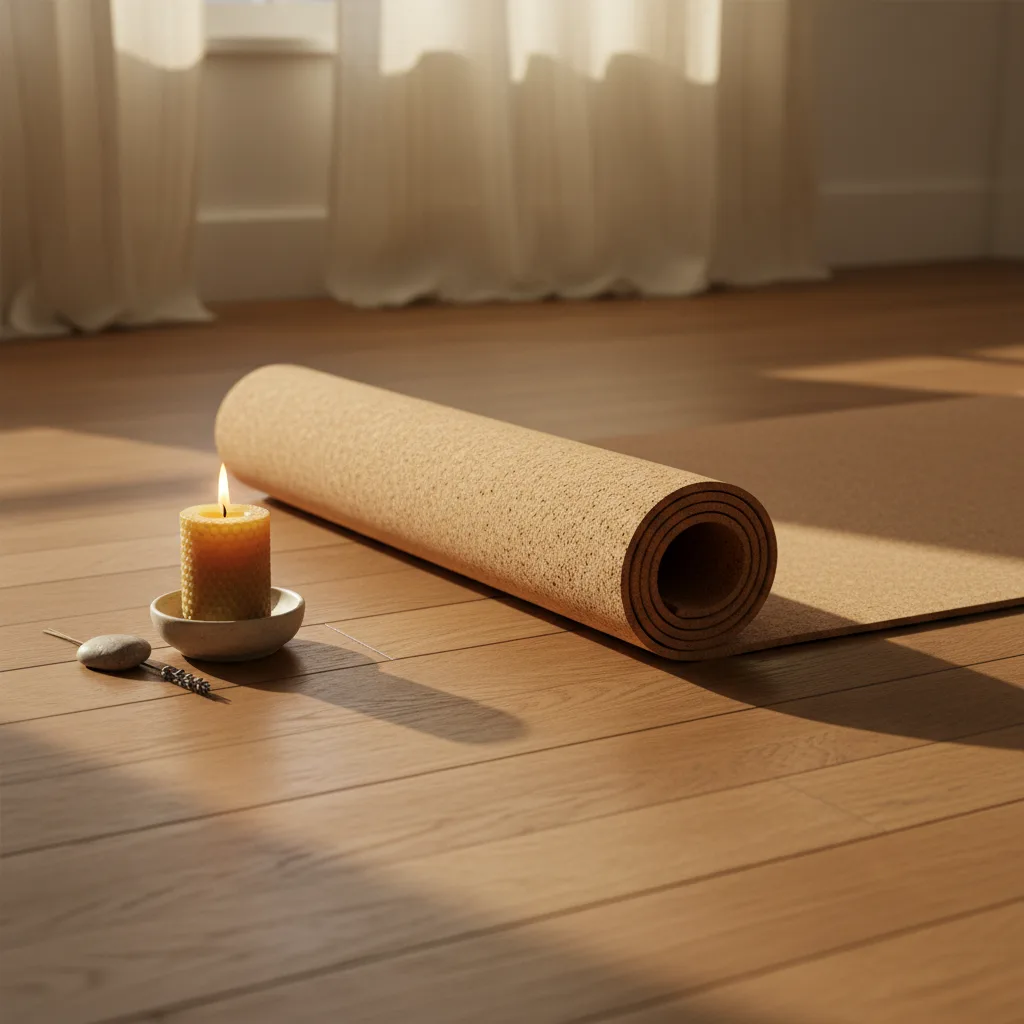
Yoga's effects on the nervous system are mediated primarily through two mechanisms: controlled breathing (pranayama) and sustained postures that activate the proprioceptive system. A 2017 study published in the Journal of Alternative and Complementary Medicine found that 12 weeks of regular yoga practice increased GABA levels in the thalamus by 27% — GABA being the brain's primary inhibitory neurotransmitter and the same target as benzodiazepine medications. This suggests that yoga produces genuine pharmacological effects through behavioral means.
A nuanced understanding of the stress response includes recognizing that not all stress is created equal. Acute, time-limited stress followed by recovery (eustress) actually strengthens the nervous system's regulatory capacity through a process called hormesis — similar to how exercise stresses muscles to make them stronger. The problem arises with chronic, unrelenting stress that prevents recovery, or with traumatic stress that overwhelms the system's capacity to process. This distinction matters for practical decision-making: avoiding all stress is neither possible nor beneficial. The goal is to ensure adequate recovery between periods of activation and to avoid sustained activation without relief.
It's worth pausing here to address a common misconception. Many people interpret the science of nervous system regulation as suggesting that we should aim for a permanently calm, parasympathetic-dominant state. This is neither possible nor desirable. The sympathetic nervous system exists for excellent reasons: it mobilizes energy for physical activity, sharpens attention during demanding tasks, and enables rapid response to genuine threats. The goal of regulation is not to suppress sympathetic activation but to ensure that the system returns to baseline after activation — and that the activation itself is proportionate to the actual demands of the situation.
The autonomic nervous system operates largely below conscious awareness, governing heart rate, digestion, respiratory rate, pupillary response, urination, and sexual arousal. It consists of two primary branches: the sympathetic nervous system, which mobilizes the body for action, and the parasympathetic nervous system, which promotes rest, recovery, and digestion. Understanding this fundamental division is the first step toward meaningful nervous system regulation.
The Anti-Inflammatory Effect
Yoga's effects on the nervous system are mediated primarily through two mechanisms: controlled breathing (pranayama) and sustained postures that activate the proprioceptive system. A 2017 study published in the Journal of Alternative and Complementary Medicine found that 12 weeks of regular yoga practice increased GABA levels in the thalamus by 27% — GABA being the brain's primary inhibitory neurotransmitter and the same target as benzodiazepine medications. This suggests that yoga produces genuine pharmacological effects through behavioral means.
Walking — particularly in natural environments — activates the parasympathetic nervous system through a mechanism researchers call 'soft fascination.' Urban environments demand directed attention (watching for traffic, navigating crowds), which depletes cognitive resources. Natural environments provide indirect attention stimuli (rustling leaves, flowing water, birdsong) that engage the brain without taxing executive function. A Stanford study published in Proceedings of the National Academy of Sciences (2015) found that a 90-minute nature walk reduced activity in the subgenual prefrontal cortex, a region associated with rumination.
The vagus nerve's role extends far beyond what most popular accounts describe. In addition to its well-known effects on heart rate and digestion, the vagus nerve modulates the inflammatory reflex (reducing systemic inflammation), influences pain processing, regulates glucose metabolism, and even affects social cognition through its connections to facial muscles and middle ear structures involved in detecting prosodic (emotional) features of speech. Research from the Feinstein Institutes for Medical Research has demonstrated that electrical stimulation of the vagus nerve can reduce TNF-alpha (a key inflammatory cytokine) by up to 50%, which has led to FDA-approved vagus nerve stimulation devices for treatment-resistant depression and epilepsy.
The distinction between stress and anxiety is both neurological and temporal. Stress is a response to an identifiable external stimulus — a deadline, a conflict, a financial setback. Anxiety, by contrast, is the persistence of the stress response in the absence of an immediate threat. Neuroimaging research from the National Institute of Mental Health has shown that anxiety involves hyperactivity in the amygdala and anterior insula even when no threat is present, suggesting that the brain's threat-detection system is firing inappropriately.
Anticipatory anxiety — worrying about future events — activates the same neural circuits as actual threat exposure. Research published in Science (2006) demonstrated that the anterior insula, a brain region involved in processing aversive experiences, showed equal activation whether participants were experiencing mild electric shocks or merely anticipating them. This finding explains why anticipatory anxiety feels so physically real and why rationalization alone is often insufficient to resolve it.
If traditional exercise feels dysregulating (increased anxiety, dissociation, or emotional flooding), try slower, gentler practices first. Trauma survivors often benefit from starting with yoga, tai chi, or walking before progressing to higher-intensity movement.
Hormonal and Neurochemical Changes
Yoga's effects on the nervous system are mediated primarily through two mechanisms: controlled breathing (pranayama) and sustained postures that activate the proprioceptive system. A 2017 study published in the Journal of Alternative and Complementary Medicine found that 12 weeks of regular yoga practice increased GABA levels in the thalamus by 27% — GABA being the brain's primary inhibitory neurotransmitter and the same target as benzodiazepine medications. This suggests that yoga produces genuine pharmacological effects through behavioral means.
Exercise reduces anxiety through mechanisms that go far beyond the popular endorphin explanation. Research published in Cell Metabolism (2014) identified a key molecule — kynurenine — that accumulates during stress and crosses the blood-brain barrier, where it produces neuroinflammation and depression-like symptoms. Skeletal muscle, when activated through exercise, produces an enzyme that converts kynurenine into a form that cannot enter the brain. This finding provides a direct molecular explanation for exercise's antidepressant effects.
The concept of 'dose-response' in regulation practices is important and often overlooked. Just as medication has an optimal dose range — below which it's ineffective and above which side effects emerge — regulation practices have optimal duration and intensity parameters. Research from Emory University (2019) found that meditation sessions of 10-20 minutes produced the greatest anxiolytic effects, with diminishing returns beyond 30 minutes and some participants actually reporting increased anxiety during sessions longer than 45 minutes (likely due to sustained interoceptive focus amplifying anxious body sensations in untrained practitioners). Starting with shorter sessions and gradually increasing is both safer and more sustainable.
The temporal dynamics of nervous system regulation are worth understanding. After a stressful event, the body's return to baseline follows a predictable trajectory: heart rate recovers first (within minutes), followed by blood pressure (within 10-20 minutes), followed by cortisol (within 60-90 minutes), followed by inflammatory markers (within hours to days). This means that feeling 'calm' after a stress event does not necessarily mean your body has fully recovered — cortisol and inflammatory markers may remain elevated long after subjective distress has resolved. This is why post-stress recovery practices (gentle movement, social connection, adequate sleep) are important even when you 'feel fine.'
Optimal Dose and Timing
The inflammation-stress connection operates through the nuclear factor kappa B (NF-kB) pathway. Psychological stress activates NF-kB, which triggers the production of pro-inflammatory cytokines. These cytokines cross the blood-brain barrier and activate microglial cells (the brain's immune cells), producing neuroinflammation that manifests as fatigue, cognitive fog, anhedonia, and increased pain sensitivity. A 2017 meta-analysis in Molecular Psychiatry found that stress-management interventions — including yoga, meditation, and tai chi — reduced NF-kB activity and downstream inflammatory markers.
Exercise reduces anxiety through mechanisms that go far beyond the popular endorphin explanation. Research published in Cell Metabolism (2014) identified a key molecule — kynurenine — that accumulates during stress and crosses the blood-brain barrier, where it produces neuroinflammation and depression-like symptoms. Skeletal muscle, when activated through exercise, produces an enzyme that converts kynurenine into a form that cannot enter the brain. This finding provides a direct molecular explanation for exercise's antidepressant effects.
The temporal dynamics of nervous system regulation are worth understanding. After a stressful event, the body's return to baseline follows a predictable trajectory: heart rate recovers first (within minutes), followed by blood pressure (within 10-20 minutes), followed by cortisol (within 60-90 minutes), followed by inflammatory markers (within hours to days). This means that feeling 'calm' after a stress event does not necessarily mean your body has fully recovered — cortisol and inflammatory markers may remain elevated long after subjective distress has resolved. This is why post-stress recovery practices (gentle movement, social connection, adequate sleep) are important even when you 'feel fine.'
Heart rate variability (HRV) has emerged as one of the most reliable biomarkers for nervous system flexibility. Unlike resting heart rate, which tells you how fast your heart beats, HRV measures the variation in time between successive heartbeats. Higher HRV indicates greater parasympathetic influence and is associated with better emotional regulation, cognitive flexibility, and stress resilience. Research from the HeartMath Institute has shown that even brief coherence practices can measurably improve HRV within minutes.
Sleep debt is not a simple bank account. While acute sleep loss (one or two bad nights) can be partially recovered with extra sleep, chronic sleep restriction creates cumulative cognitive deficits that cannot be fully reversed by a single weekend of catch-up sleep. A study in the American Journal of Physiology (2010) found that after two weeks of sleeping 6 hours per night, cognitive performance was equivalent to someone who had been awake for 48 hours straight — yet participants rated their sleepiness as only mildly elevated, suggesting dangerous subjective adaptation to impairment.
Comparing Different Approaches
Yoga's effects on the nervous system are mediated primarily through two mechanisms: controlled breathing (pranayama) and sustained postures that activate the proprioceptive system. A 2017 study published in the Journal of Alternative and Complementary Medicine found that 12 weeks of regular yoga practice increased GABA levels in the thalamus by 27% — GABA being the brain's primary inhibitory neurotransmitter and the same target as benzodiazepine medications. This suggests that yoga produces genuine pharmacological effects through behavioral means.
Exercise reduces anxiety through mechanisms that go far beyond the popular endorphin explanation. Research published in Cell Metabolism (2014) identified a key molecule — kynurenine — that accumulates during stress and crosses the blood-brain barrier, where it produces neuroinflammation and depression-like symptoms. Skeletal muscle, when activated through exercise, produces an enzyme that converts kynurenine into a form that cannot enter the brain. This finding provides a direct molecular explanation for exercise's antidepressant effects.
The relationship between the mind and body in stress processing is best understood not as a one-way street but as a continuous feedback loop. Psychological stress produces physical symptoms (muscle tension, digestive disruption, cardiovascular changes), and those physical symptoms, in turn, generate psychological distress (anxiety about health, frustration with chronic symptoms, social withdrawal due to fatigue). Breaking this cycle requires intervention at the physical level, not just the cognitive level. This is why body-based approaches — breathwork, movement, cold exposure, and somatic practices — often succeed where purely cognitive approaches plateau.
Nature therapy (shinrin-yoku, or forest bathing) has been studied extensively in Japan since the 1980s. Research published in Environmental Health and Preventive Medicine (2010) found that spending two hours in a forest environment reduced cortisol levels by 16%, blood pressure by 2%, and sympathetic nerve activity by 4% compared to equivalent time in an urban environment. The mechanisms include phytoncides (antimicrobial compounds released by trees that modulate immune function), reduced sensory overstimulation, and the restorative effects of fractal patterns in natural landscapes.
The gut-brain axis represents one of the most active areas of neuroscience research. The enteric nervous system contains approximately 500 million neurons and produces 95% of the body's serotonin. Gut bacteria communicate with the brain through multiple pathways: the vagus nerve (neural), the immune system (inflammatory cytokines), and the endocrine system (hormones and neuropeptides). A landmark 2011 study in the Proceedings of the National Academy of Sciences demonstrated that Lactobacillus rhamnosus supplementation reduced anxiety-like behavior in mice — an effect that was abolished when the vagus nerve was severed, confirming that the gut-brain communication is neurally mediated.
Who Benefits Most
Therapeutic tremoring — the body's natural mechanism for discharging accumulated stress energy — was first systematically studied by David Berceli, who developed Tension and Trauma Releasing Exercises (TRE). The tremoring mechanism originates in the psoas muscle, the deepest hip flexor, which contracts during the fight-or-flight response. When this muscle is deliberately fatigued and then allowed to relax, it spontaneously produces tremors that propagate through the body, releasing stored muscular tension. Research published in the Journal of Traumatic Stress (2016) found that TRE practice significantly reduced PTSD symptoms in military veterans.
Nature therapy (shinrin-yoku, or forest bathing) has been studied extensively in Japan since the 1980s. Research published in Environmental Health and Preventive Medicine (2010) found that spending two hours in a forest environment reduced cortisol levels by 16%, blood pressure by 2%, and sympathetic nerve activity by 4% compared to equivalent time in an urban environment. The mechanisms include phytoncides (antimicrobial compounds released by trees that modulate immune function), reduced sensory overstimulation, and the restorative effects of fractal patterns in natural landscapes.
It's also worth noting that individual variation in response to different regulation techniques is substantial and influenced by factors including genetics, trauma history, attachment style, and current nervous system state. A practice that is deeply calming for one person (such as meditation) may be destabilizing for another (particularly individuals with trauma who may find stillness activating). This is not a failure of the practice or the practitioner — it's a reflection of genuine neurobiological difference. The most effective approach is experimental: try a technique for two to four weeks, track your subjective response, and adjust accordingly.
Research published in the journal Psychophysiology (2019) demonstrated that individuals with higher vagal tone — a measure of parasympathetic activity — showed faster emotional recovery after viewing distressing images. These participants returned to baseline heart rate 40% faster than those with lower vagal tone, suggesting that the parasympathetic system acts as a built-in resilience mechanism.
Getting Started Safely
Cold exposure triggers the diving reflex — an evolutionarily conserved response that rapidly activates the parasympathetic nervous system. When cold water contacts the face, the trigeminal nerve sends signals to the vagus nerve, producing immediate heart rate reduction and a shift toward parasympathetic dominance. Research from Radboud University Medical Center (2014), led by Wim Hof collaborator Matthijs Kox, demonstrated that cold exposure training combined with breathwork enabled participants to voluntarily influence their immune response — a finding previously thought impossible.
Dance therapy engages the nervous system differently from structured exercise because it involves spontaneous, self-directed movement without performance pressure. Research from the University of Hertfordshire (2019) found that free-form dance for 30 minutes produced greater reductions in cortisol and greater increases in serotonin than equivalent-intensity structured exercise. The researchers attributed this to the combination of rhythmic movement, musical engagement, and the absence of performance evaluation — essentially creating a safe space for the body to move without the sympathetic activation that often accompanies exercise in competitive or evaluative contexts.
What makes this area of research particularly compelling is the convergence of evidence from multiple disciplines. Neuroscientists, immunologists, endocrinologists, and psychologists are all arriving at the same conclusion from different angles: chronic stress is not merely a psychological experience but a whole-body physiological state with measurable consequences across every organ system. This interdisciplinary consensus represents a significant departure from the historical tendency to treat mental and physical health as separate domains. The implications for clinical practice are profound — effective treatment must address both the psychological and physiological dimensions of dysregulation.
The gut-brain axis represents one of the most active areas of neuroscience research. The enteric nervous system contains approximately 500 million neurons and produces 95% of the body's serotonin. Gut bacteria communicate with the brain through multiple pathways: the vagus nerve (neural), the immune system (inflammatory cytokines), and the endocrine system (hormones and neuropeptides). A landmark 2011 study in the Proceedings of the National Academy of Sciences demonstrated that Lactobacillus rhamnosus supplementation reduced anxiety-like behavior in mice — an effect that was abolished when the vagus nerve was severed, confirming that the gut-brain communication is neurally mediated.
Recent advances in wearable technology have made it possible for individuals to track their own nervous system state in real time. Devices measuring HRV, electrodermal activity (skin conductance), and continuous heart rate provide biofeedback that was previously available only in clinical settings. Research from the University of Zurich (2020) found that HRV biofeedback training — where individuals learn to increase their HRV in real time using visual or auditory feedback — produced significant improvements in anxiety, depression, and stress resilience that were maintained at six-month follow-up. While these tools are not replacements for professional care, they democratize access to physiological self-awareness.
Sources & Further Reading
- Streeter, C.C., et al. (2007). Yoga asana sessions increase brain GABA levels: A pilot study. Journal of Alternative and Complementary Medicine, 13(4), 419-426.
- Li, Q. (2010). Effect of forest bathing trips on human immune function. Environmental Health and Preventive Medicine, 15(1), 9-17.
- Agudelo, L.Z., et al. (2014). Skeletal muscle PGC-1alpha1 modulates kynurenine metabolism and mediates resilience to stress-induced depression. Cell, 159(1), 33-45.
- Kox, M., et al. (2014). Voluntary activation of the sympathetic nervous system and attenuation of the innate immune response in humans. Proceedings of the National Academy of Sciences, 111(20), 7379-7384.
- Berceli, D., et al. (2016). Effects of self-induced unclassified therapeutic tremors on quality of life among military veterans. Journal of Traumatic Stress, 29(4), 1-6.